
Today is the first day of spring and this is the first planting guide of the season. The following is a list of vegetables you can plant in September in Sydney, a temperate zone. Just click on the link for the growing guide for each vegetable or herb:
- Amaranth
- Artichokes
- Asparagus
- Basil
- Beans – climbing and bush
- Beetroot
- Broccoli
- Cabbage
- Cape Gooseberry
- Capsicum
- Carrot
- Celery
- Chicory
- Chillies
- Cucumber
- Eggplant
- Jerusalem Artichoke
- Leeks
- Lettuce
- Luffa
- Marrow
- Mustard Greens
- Parsnip
- Peas
- Potato
- Pumpkin
- Radish
- Rhubarb
- Rocket
- Rockmelon in seed trays
- Silverbeet
- Snow Peas
- Sunflower
- Sweet corn
- Tomato
- Turnip
- Zucchini
Plant of the Month: Beautiful Bluebells – ( Hyacinthoides )

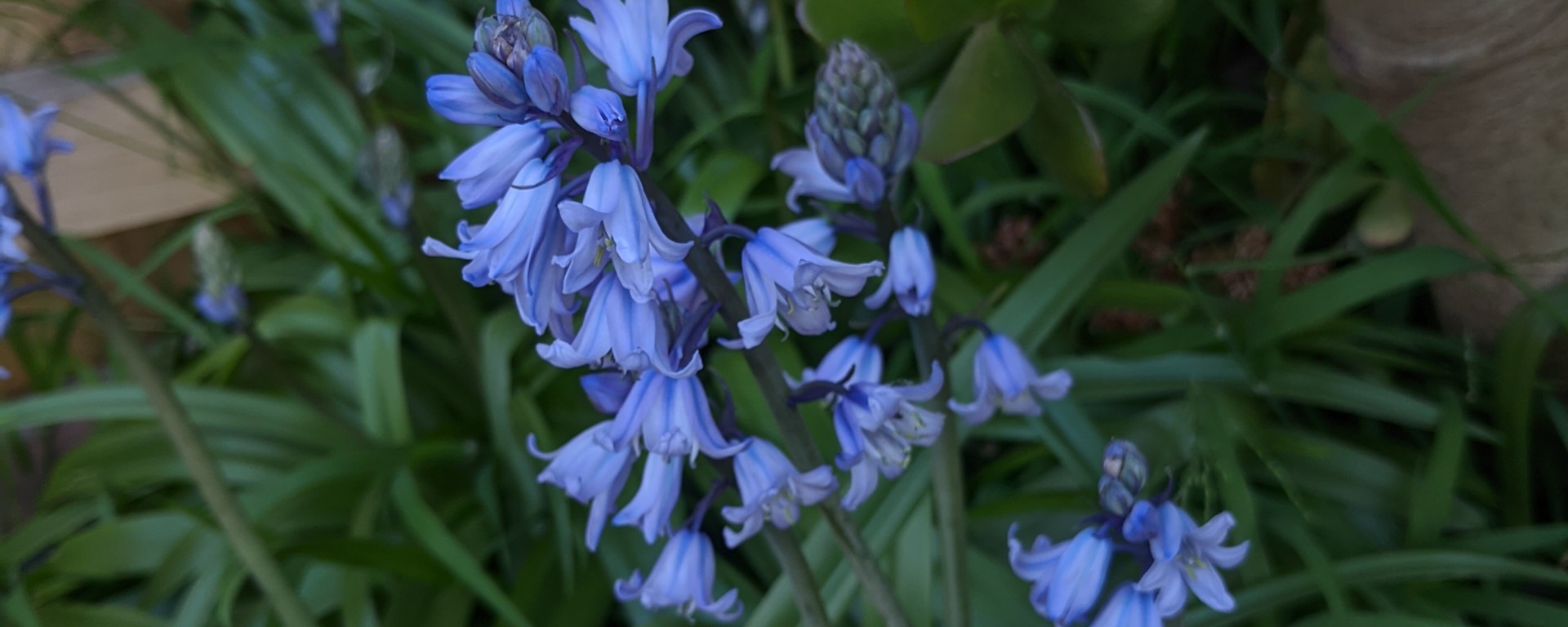
Ring in the season of Spring with the beautiful bluebell. I look forward to seeing these lovely flowers in my garden every Spring.
Bluebells are monocotyledons (having flower parts on multiples of three). They are spring flowering, perennial bulbous plants and belong to the family Asparagaceae and the subfamily Scilloideae. Hyacinths and grape hyacinths also belong to the subfamily.
The varieties of bluebell are the English bluebell, Hyacinthoides – non scripta and the Spanish bluebell, Hyacinthoides hispanica and hybrids of the two.
English bluebells are native to the Atlantic areas from north-western Spain to Great Britain, Ireland and islands. The Spanish bluebells are native to the western part of the Iberian Peninsula (except the extreme northwest) which includes Portugal and western Spain.
Spanish bluebells are perfect for mass planting, herbaceous borders, rockeries and even in pots.
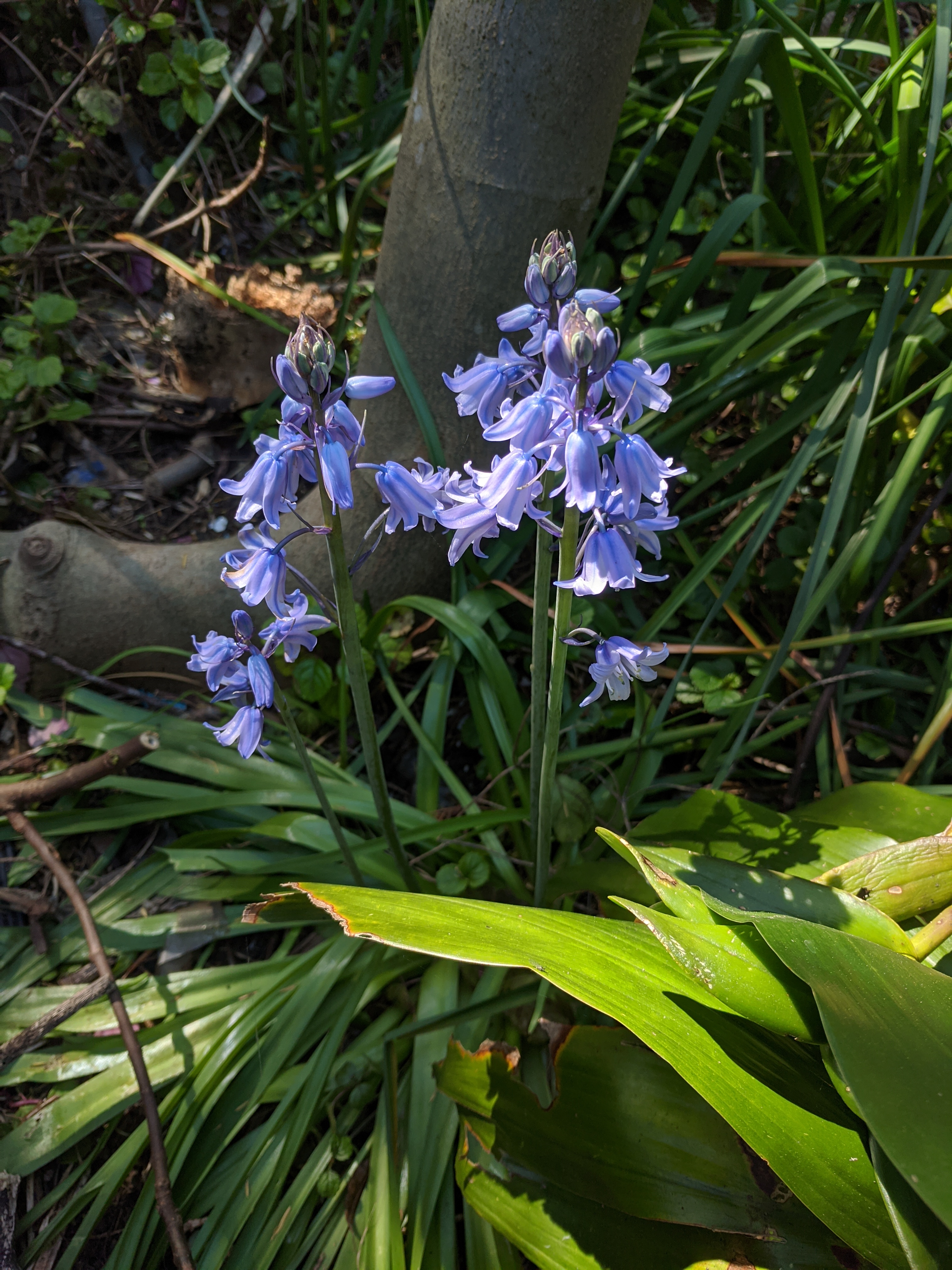
The bluebells that grow in my garden, from bulbs shared with me from Victoria, are Spanish bluebells. I also have a patch that is well over 25 years old, (the bulbs given to me by a friend), that are still blooming every year. It has been left to its own devices and sometimes even neglected but I have found the plants appearing and flowering year after year. The conditions of being located in a rockery, so, well drained and being sheltered under a large deciduous tree, an old frangipani, means the conditions are favourable.
Spanish bluebells are popular spring bulbs that grow well in Sydney, where due to the hot climate, the English bluebell does less well ( the English bluebell prefers colder winters and moderate to cool summers and moist soil). Once established the Spanish bluebell can even survive short term drought conditions in shady sites as my old patch shows.
Description of the Bluebell and Differences Between Species:
The Spanish bluebell has large pale blue flowers compared to the darker colour of the English bluebell. The flowers on the inflorescence grow all around the stem and are less pendulous and do not all droop to one side of the curved stem like the English bluebell. The flower bells of the Spanish bluebells are more open compared to the longer tubular English Bluebell flowers and have blue anthers, whereas the English bluebell has creamy-white anthers.
Another difference is that the Spanish bluebell is unscented whereas the English bluebell is strongly fragrant .
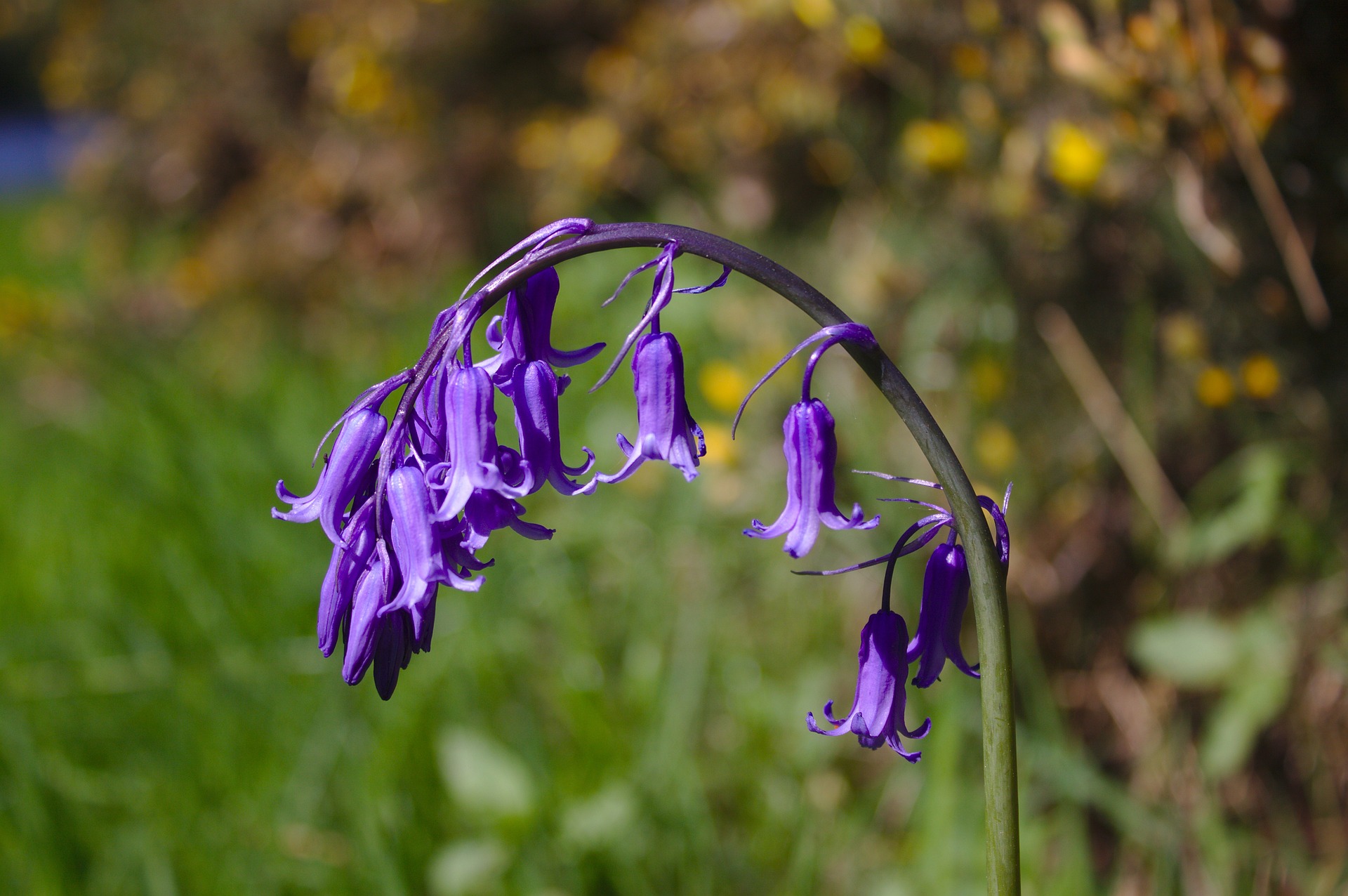
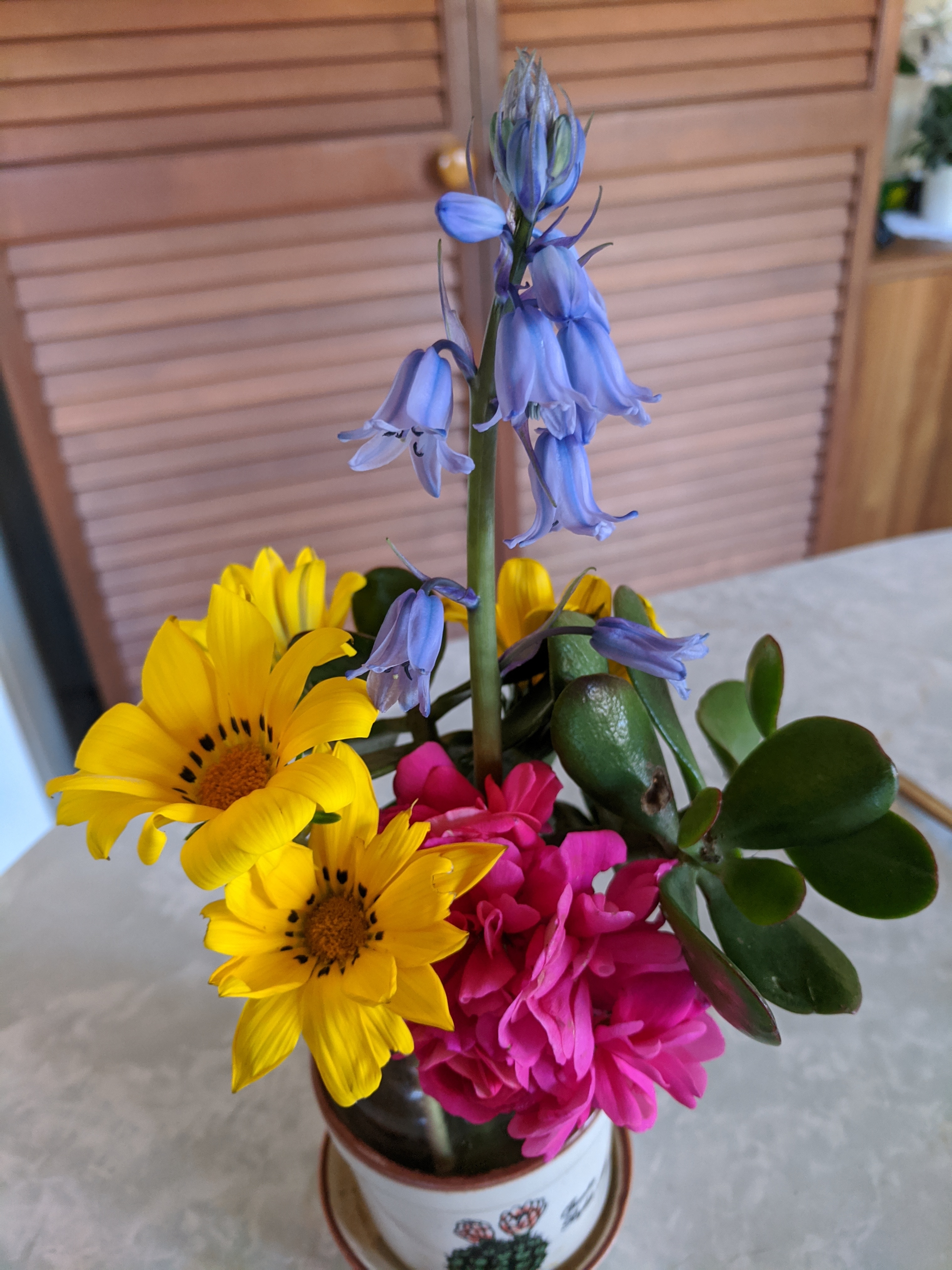
Spanish bluebells also are available in white, Hyacintoides hispanica ‘White City’.
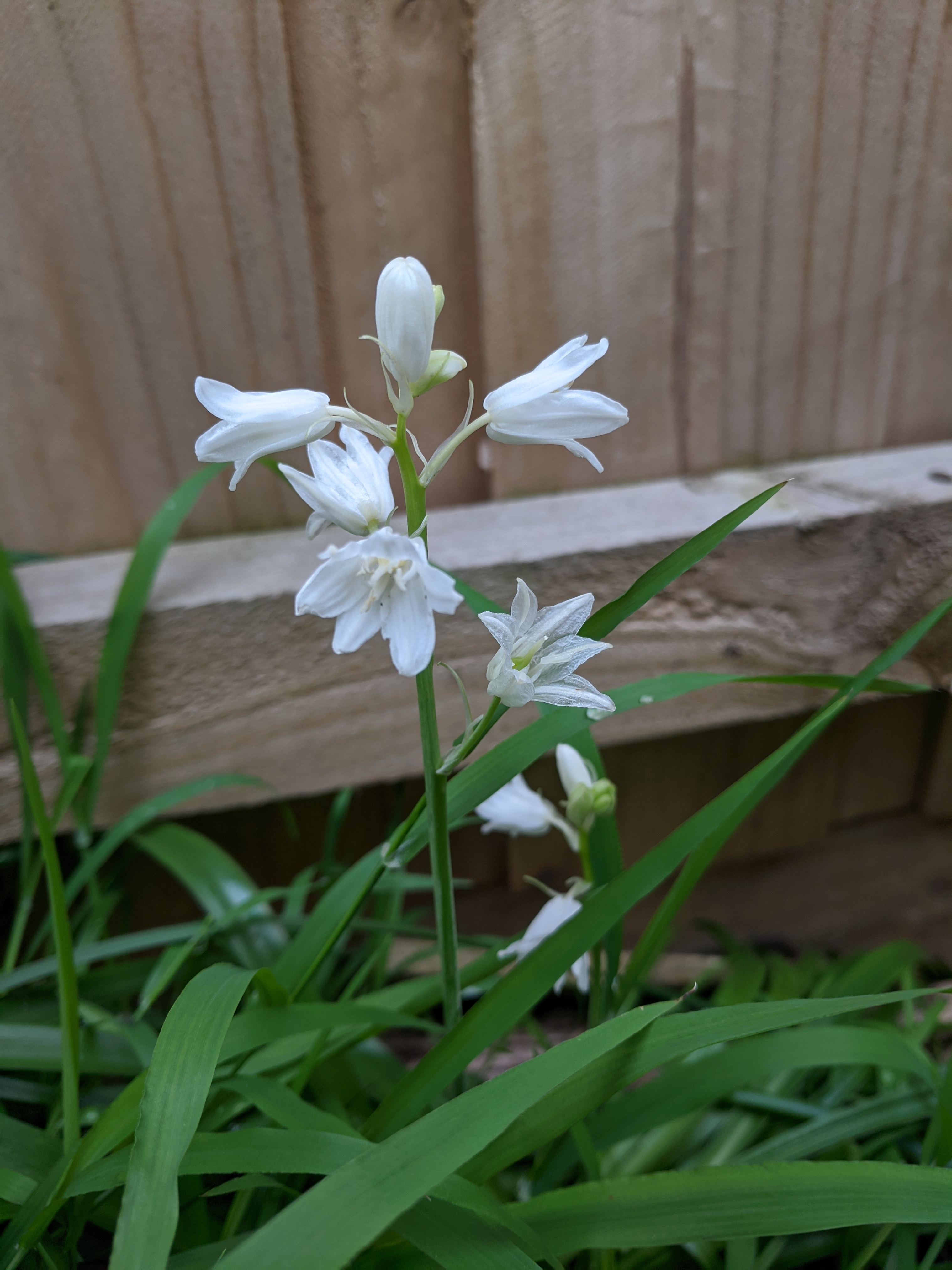
Spanish bluebells have a more erect and sturdy stem. The flowers on the bottom of the raceme, open first then progressively upwards till all the flowers are open. Each flower, joined to the raceme by a short pedicle or stem, is made up of 6 tepals; three inside and 3 outer overlapping tepals with the slightly retroflexed tips.
Each flower has six stamens, each with pollen carrying blue anthers that become paler as the pollen is harvested by pollinating insects. The pistil is made up of three fused carpels.
Bluebell flowers are rich in pollen and nectar, and are pollinated by bees and other pollinating insects like butterflies and hoverflies. In fact, blue is a colour particularly loved by bees and attracts them.
The leaves of the Spanish bluebell are longer, lance shaped and broader around 3cm wide and 12-15 cm long with verticle vennation.
Each bulb produces 3-6 leaves growing from the base of the plant.


Growing and Care of Bluebells:
When gardening around bluebells we recommend wearing gloves as the bulbs and all parts of the plant are toxic and plant sap may cause skin irritations.
Soil and Site:
Bluebells need a friable, well drained soil enriched with organic matter.
Select a growing site that is in full sun or part shade which will receive at least 3 hours of full sun each day. Spanish bluebells grow well in full sun in temperate climates or under deciduous trees in dappled shade where they may get sun in the morning and afternoon dappled shade. Depending on the environmental heat you expect over the spring growing period choose the site in your garden that is best for the plant’s needs.
Prepare soil by weeding and digging it over and removing clods to a depth of 25-30cm to loosen the soil to allow the roots to develop freely.
Bluebells in the wild grow in the rich , moist soil at the edge of woodlands. By planting under deciduous trees the bulbs will benefit from the leaf litter enriching the soil during the year and especially in the autumn dormant period as the bulbs multiply .
Enrich the planting soil by digging through aged cow manure and aged organic compost. This will provide a humus rich environment. Bluebells prefer a soil with an acid to neutral pH of <6.0-8.0. Test the soil prior to planting and amend the soil as needed about 6 weeks before planting so that nutrients will be available to he developing plants.
If your soil is poor or prone to flooding in wet seasons, construct raised beds to create a well draining site. Bluebells are perfect for rockeries.

Planting:
Plant the dormant bulbs, that are cream coloured and about the size of hazelnuts, in the autumn. Scatter the bulbs on the area to be planted and plant them where they fall for a natural look when they grow. Try to keep the distance between them at around 10 cm to allow each plant to have space. Spanish bluebells grow to 30cm and to a width of 8 cm. Over the years, as the plants age they naturally multiply into clumps.
Plant the bulbs at a depth of 7cm with the pointed tip of the bulb facing upwards.
Then cover with soil and water well. Keep the soil just moist till they emerge then keep the soil lightly moist, watering in the early morning or late afternoon and keeping the water off the leaves.
Watering:
During the growing season, water only when the top 5 cm of the soil is dry, testing the soil by hand. Then water deeply as above.
The bluebells should emerge in about 90-120 days and will continue flowering for about 2 months.

Fertilizing:
Apply a slow release fertilizer as recommended when the plants are 5-10 cm high, then apply liquid fertilizer, every 2 weeks when they are in bloom and setting seeds.
Cut spent blooms carefully at the base to retain energy in the bulb rather being expended to produce seeds. The bulbs will naturalise to your own location and spread by bulb offsets.
If you wish to let the seeds set, they will take 9-24 months to germinate and take up to 5 years to mature to flowering.
Maintenance at the End of the Season:
Continue to water until the leaves die down after flowering. The leaves will provide the nutrients to to the bulbs to form the flowers for the next season. Use secateurs to cut the spent leaves at ground level when they have dried off. Stop watering at this point let the bulbs use use environmental moisture. This will prevent them from rotting over the dormant period.
Bluebell bulbs can remain in the ground for years without the needing to be lifted and divided. To protect the dormant bulbs over the summer, especially in hot areas like Sydney, heavily mulch over the planting area until Autumn.
If the growing site becomes overcrowded with Spanish bluebell plants or if you need to move them, as mine were from another state, just carefully lift the bulbs making sure not to damage them. Gently wash the soil off. After cleaning your bulbs, set them on a tray and place them in a protected airy site to dry, a process known as curing. When fully dry, brush off any remaining dirt. The bulbs can then be stored away in a breathable container in cool, dry place away from insects and rodents ready to be planted in Autumn next year.
Growing Spanish Bluebells in Pots:

Spanish bluebells grow very well in pots and this allows their beauty to grace even the smallest garden. By selecting a site that has both sun and some shade from the hottest parts of the day and grouping them with other plants around the pot, a great micro climate can be established.
Choose a pot that has plenty of drainage holes to allow water to drain freely and choose a good quality potting mix.
Plant each bulb to a depth of 7cm. The capacity of the pot also depends on the size of the bulbs. A 14cm pot can hold about 5 medium bulbs; a 20 cm pot about 10 medium bulbs and a 25 cm about 15 medium bulbs.
Do not let water sit in any saucer under the pot. Rather set the pot on planter risers as this will aid the water to flow away from the pot and so stop the bulbs from rotting.

Note – Poison Rating:
Every part of the Bluebell is highly poisonous to humans and pets. Great care should be taken when handling any parts of the bluebell plant, especially around children, cats and dogs. Bluebells can also cause contact dermatitis in susceptible individuals so always wear gloves and protective clothing while in the garden.
No matter which bluebell you choose to plant depending on your location and climate, enjoy the loveliness of its delicate bell shaped blue flowers that lift even the shadiest corners of your garden and without much effort return from year to year.
For me, the arrival of the bluebells reminds me of friends long gone and their generosity, and a little piece of a favourite place transplanted to my own garden that will go on forever.

 The Grantham Gardener