
The following is a list of vegetables and herbs you can plant in November in Sydney, a temperate zone. Just click on the name for the growing guide for each vegetable or herb:
- Artichokes
- Asparagus crowns
- Basil seedlings
- Beans (bush and climbing)
- Beetroot
- Borage
- Broccoli
- Cabbage
- Cape Gooseberry
- Capsicum
- Carrot
- Celery
- Chives
- Coriander
- Cucumber
- Eggplant
- Jerusalem Artichoke
- Lemon Balm
- Lettuce
- Luffa
- Marrow
- Okra
- Parsley
- Peanut
- Pumpkin
- Radish
- Rocket
- Rockmelon (cantaloupe) seedlings
- Sage
- Silverbeet
- Spring Onions
- Sunflowers
- Sweet Corn
- Tarragon
- Tomato
- Turnip
- Watermelon
- Yacon
- Zucchini
Plant of the Month – The beautiful Neomarica candida (walking Iris)
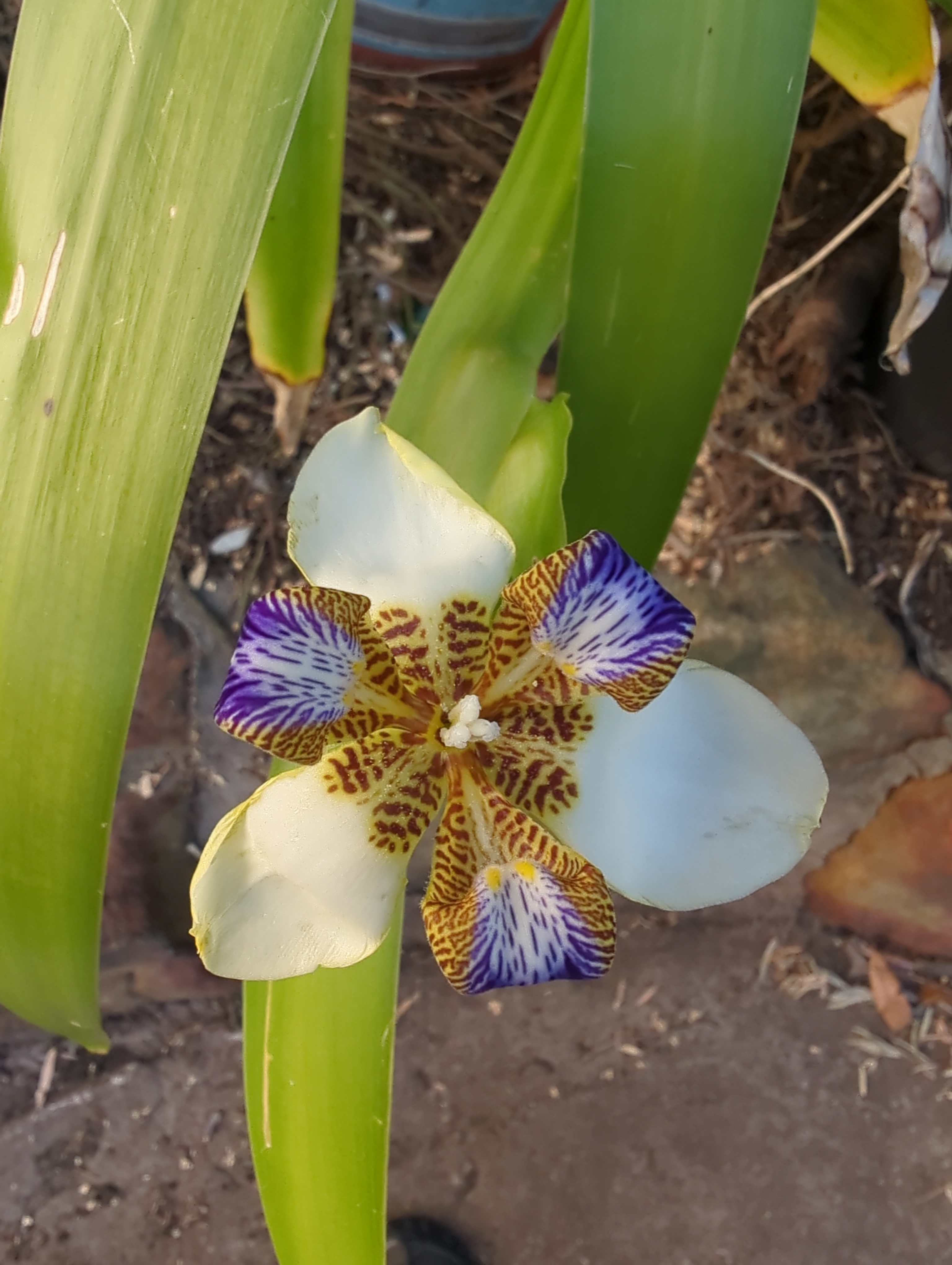
The Neomarica candida, popularly known as Walking iris, is a drought resistant, hardy, herbaceous, rhizomatous, plant known for its lovely foliage and the delicate beauty of its flowers.
Flowers are born on the leaves and last only one day. They can catch you by surprise, opening at dawn and then be gone by sunset. However its ability to ‘walk ‘ new plants around the garden by its leaf adaptation makes it one of the most unusual plants that you may find and their hardiness makes them an easy care plant to grow in your garden.
In its natural habitat in Brazil and South America, it grows in well-drained soils that are rich in organic matter, and often covered by a thick layer of forest debris of decomposing leaf litter and branches. It is perfectly suited as a ground cover in a shaded part of the garden that offers dappled shade to part shade.
My own walking iris plants have established themselves from a potted plant given to me by a friend . They have the perfect location in the dappled light under the canopy of a old bottle brush tree and other trees that provide ample leaf litter to mimic its natural habitat.
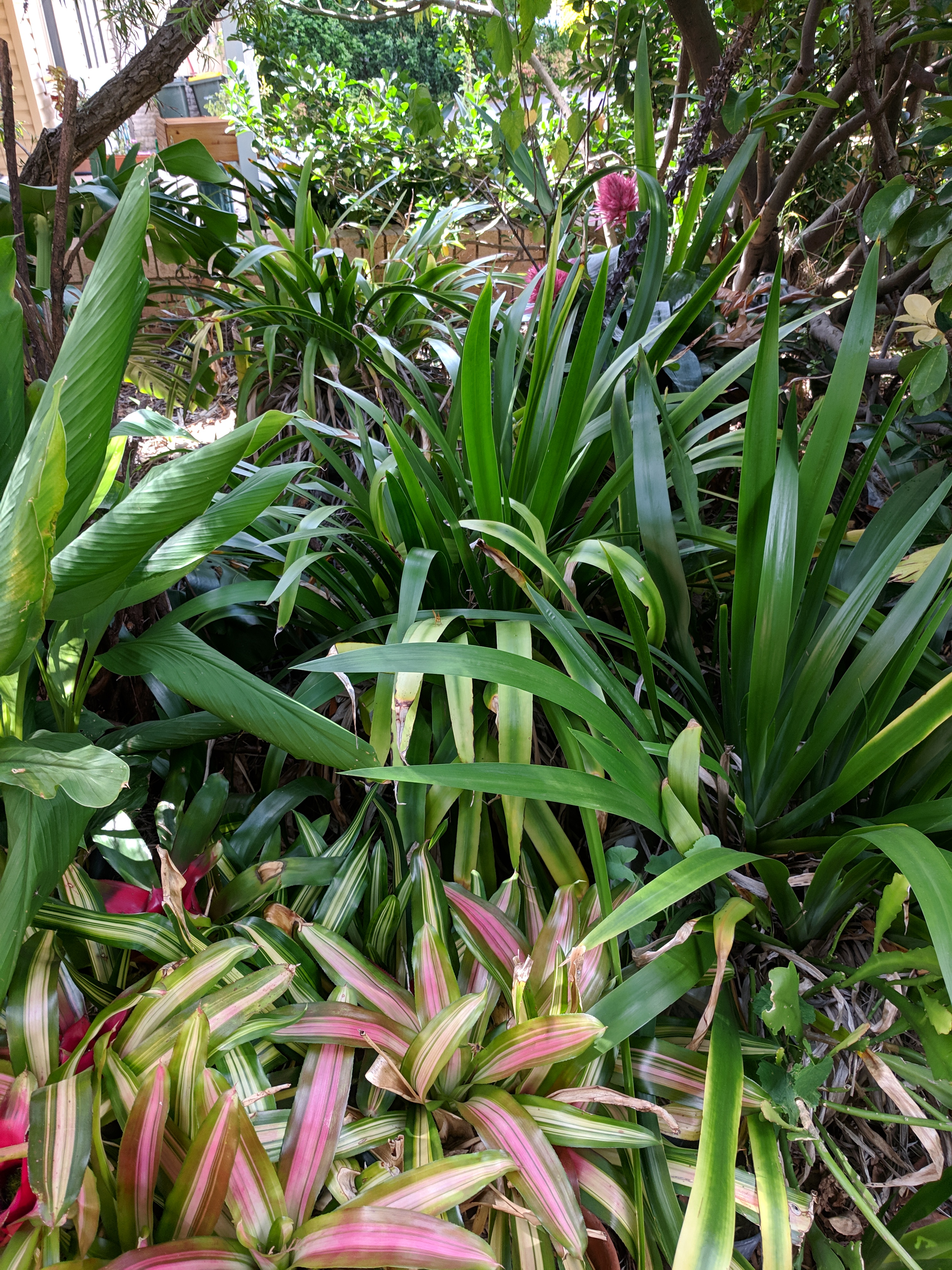
The walking iris can reach up to 90 cm in height and 60 cm wide.
Its leaves are bright green, lanceolate and grow from the base of the plant.They are arranged in a fan shape, that over time set clumps that thwart the growth of weeds.

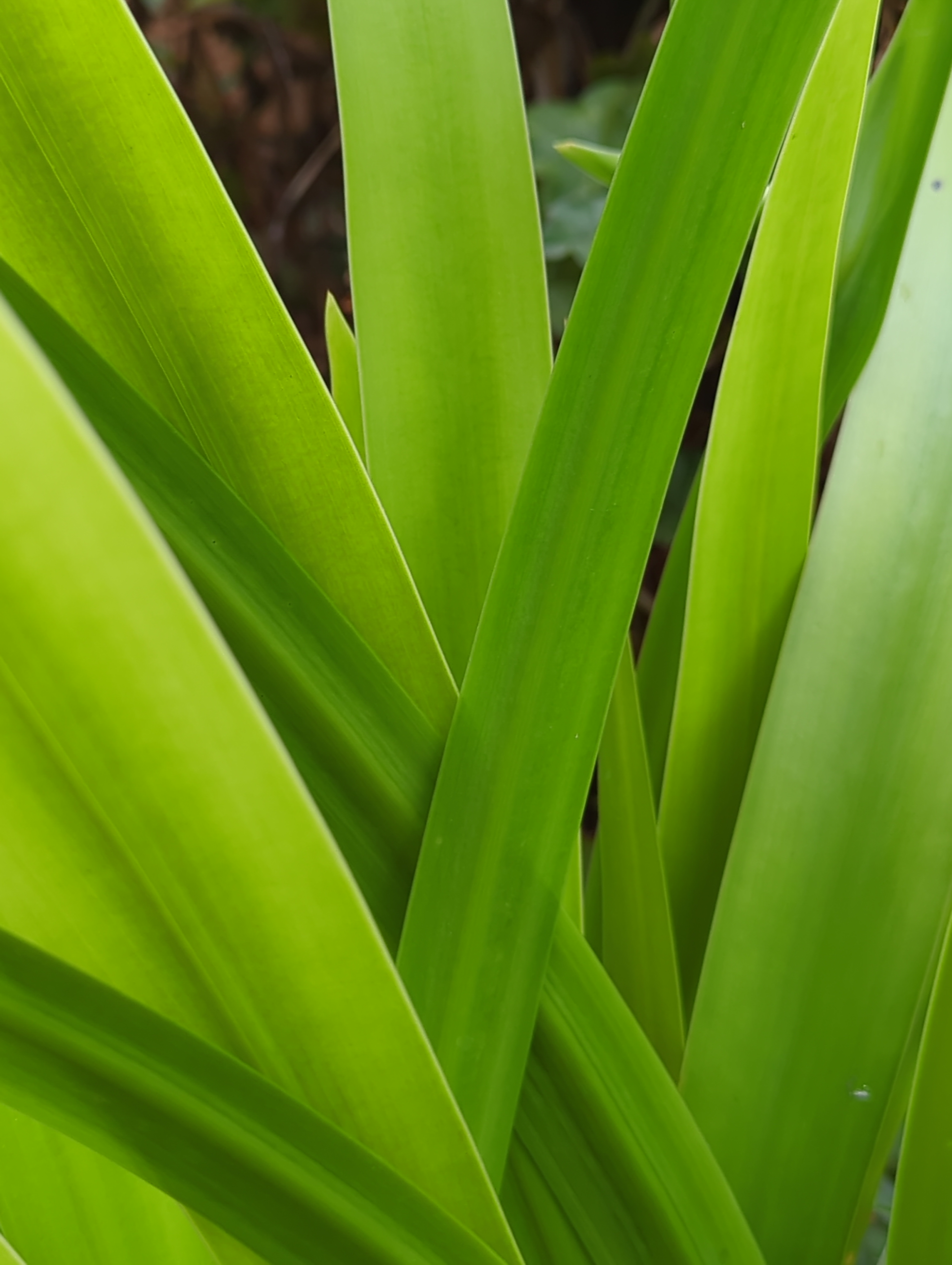
The leaves fan out and can become a mass as plants grow close together.
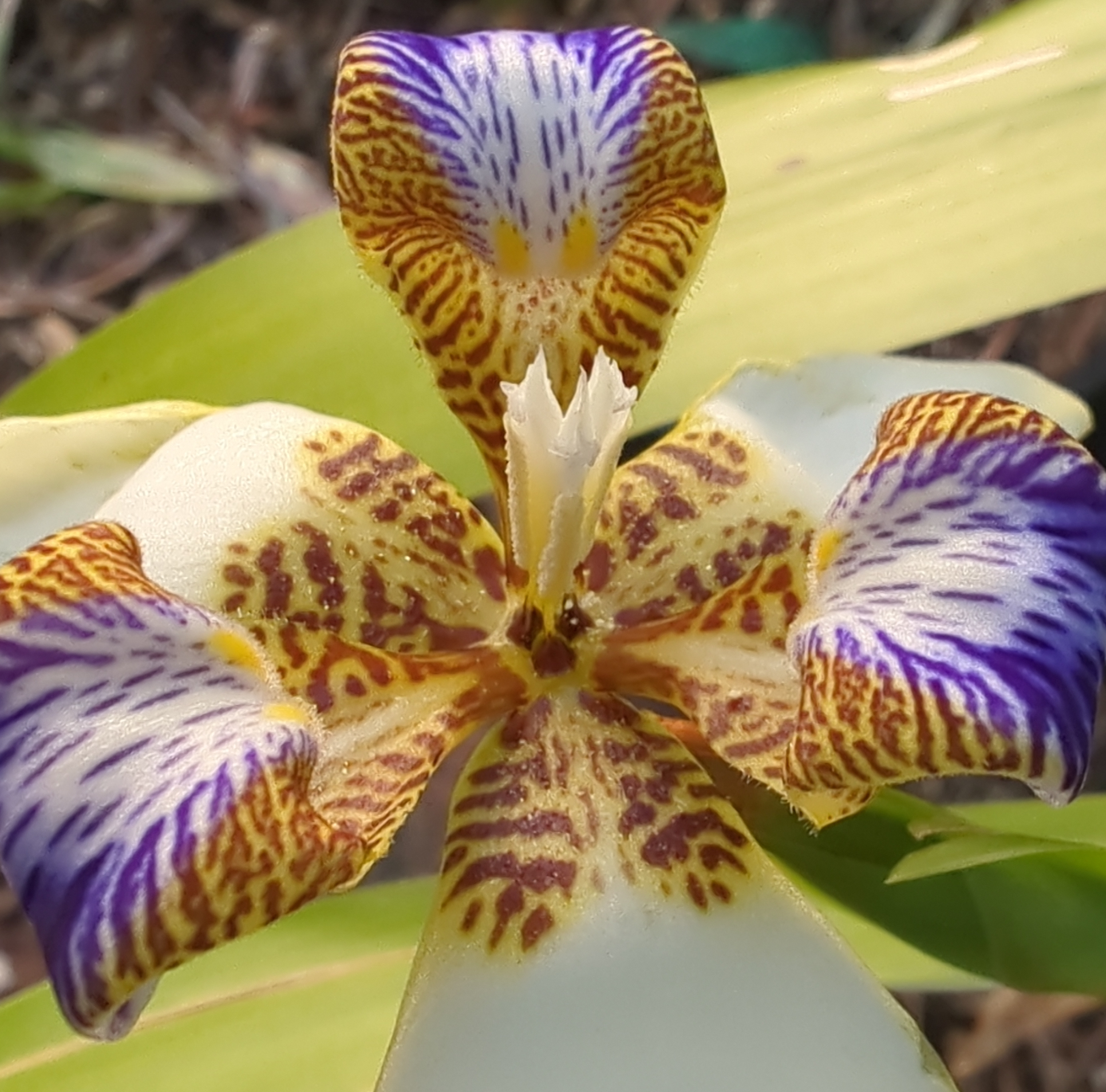
The inflorescences emerge in spring and summer, on short erect stems. They arise in a sheath at the end of a leaf. Flowers are small ar around 2.5 cm wide but what they lack in size is more than made up for by their stunning beauty.
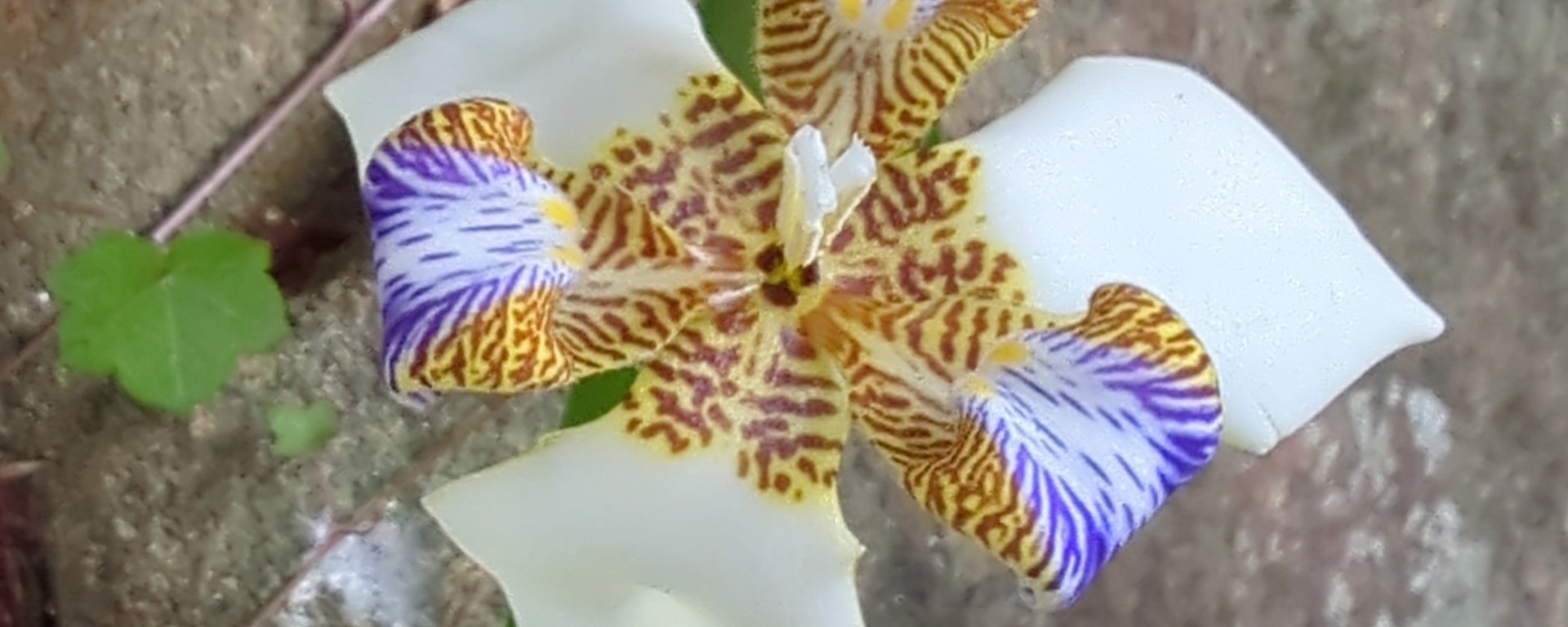
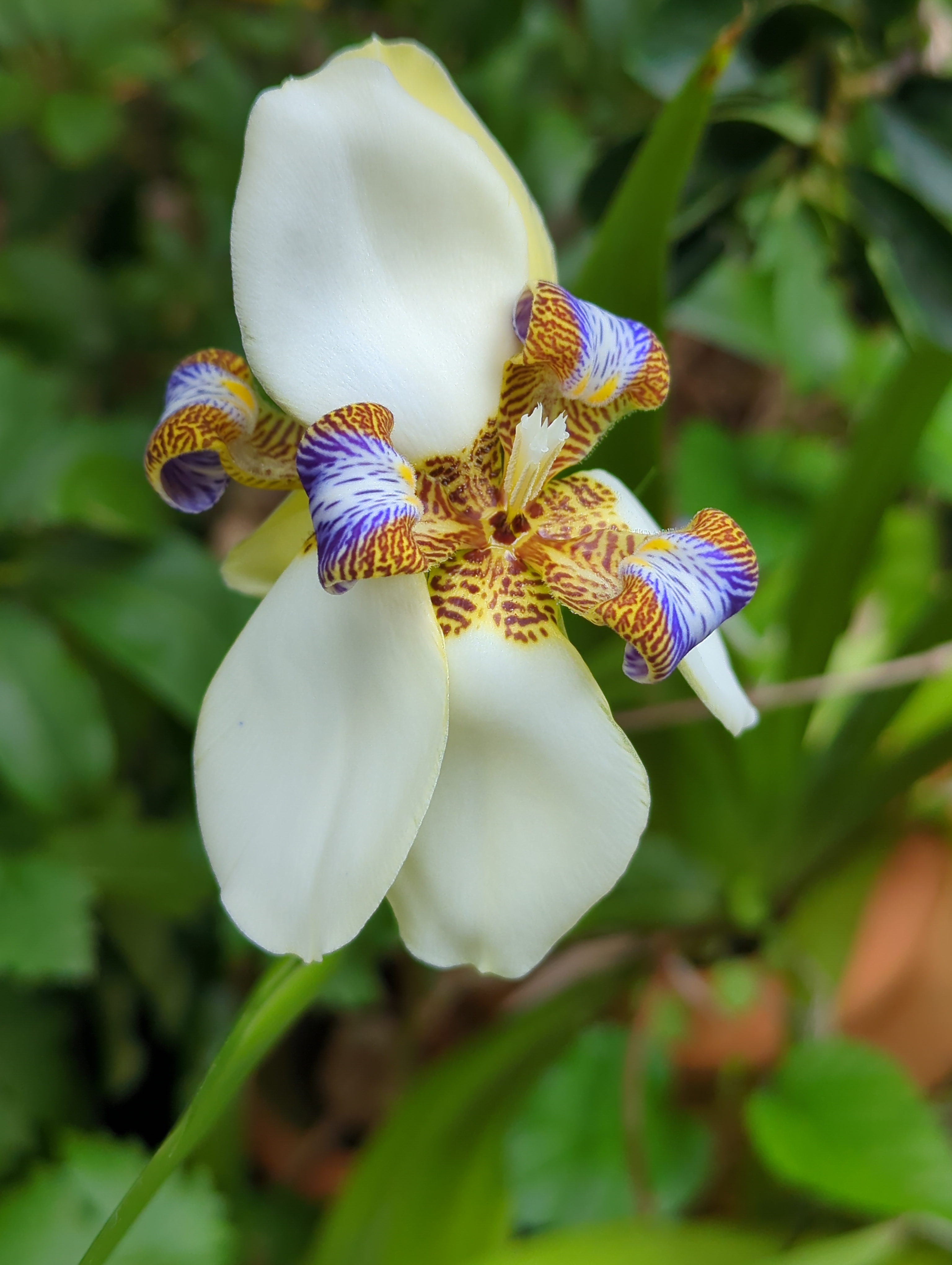
Each flower has six tepals, arranged in two sets with the outer tepals larger than the inner retroflexed petals. the outer tepals are smooth and white with brown markings at the base. The inner retroflexed petals also have brown markings at the base. Where the petals rise to retroflex there are two yellow slightly fuzzy markings.These may be to guide and to attract bees and other pollinators to the reproductive part of the flower. The white lines on the petals could also serve as nectar guides. The blue markings on the petals would also be attractive to pollinators. While the outer tepals are smooth and white, the three petals are hairy underneath and textured. (Click on the images above and below for more detail). The three stamens are not fused together. The style is divided into three branches, each of which usually has two lobes.
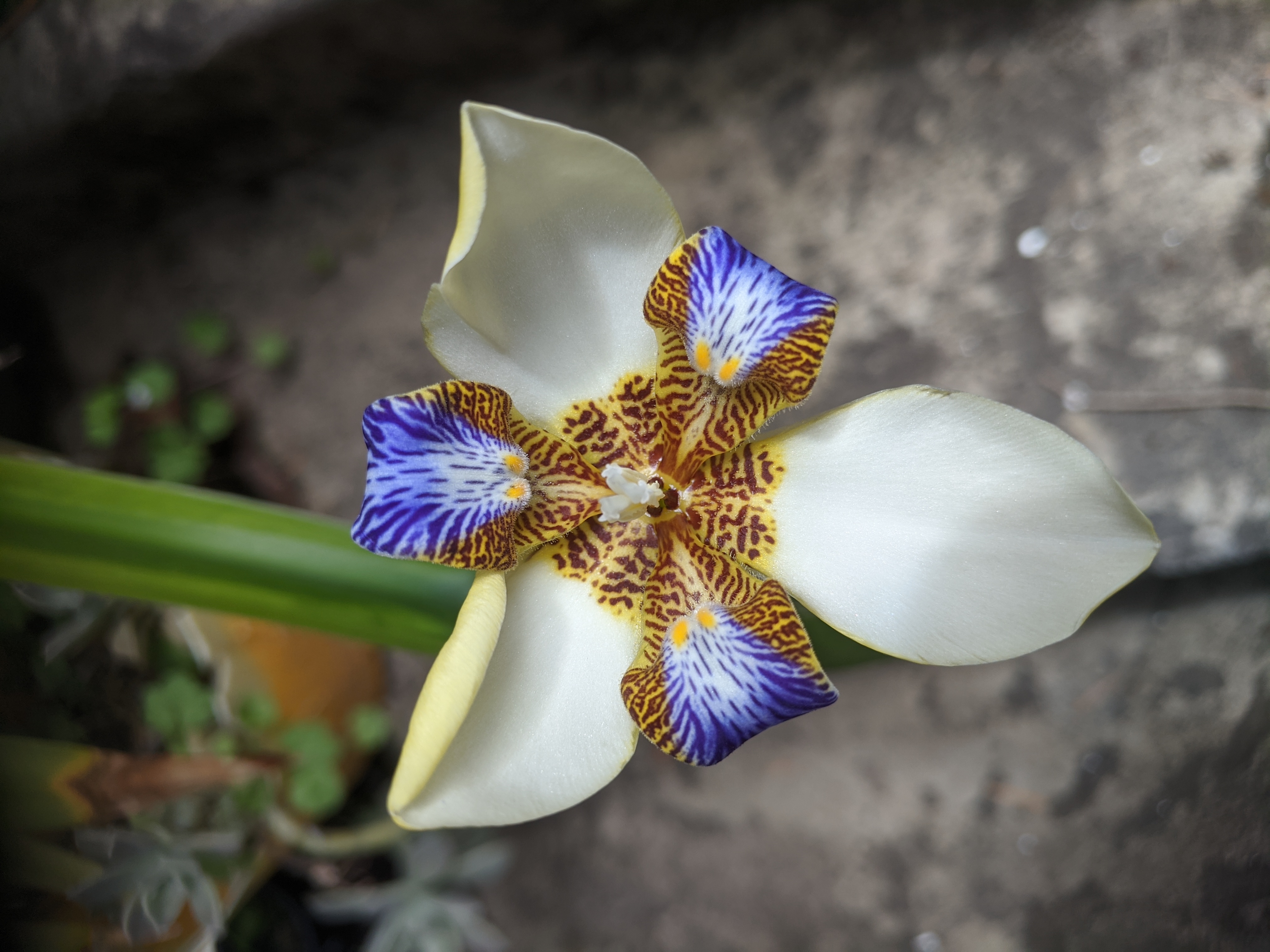
Just click on these images to see the detail of the texture of the different pats of the flower.

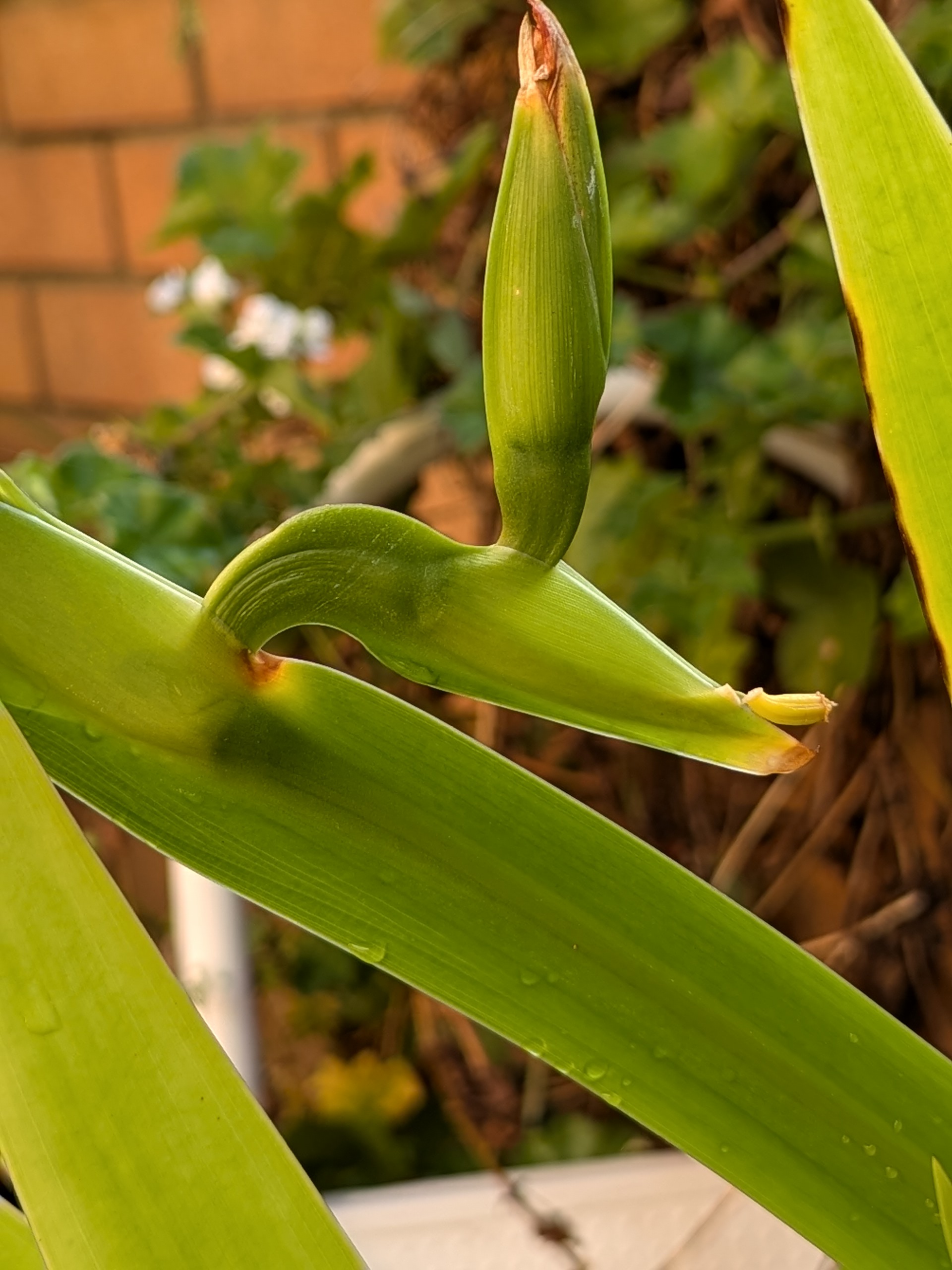
When the Walking iris is ready to flower, the bud swells at the tip of a leaf as shown below.
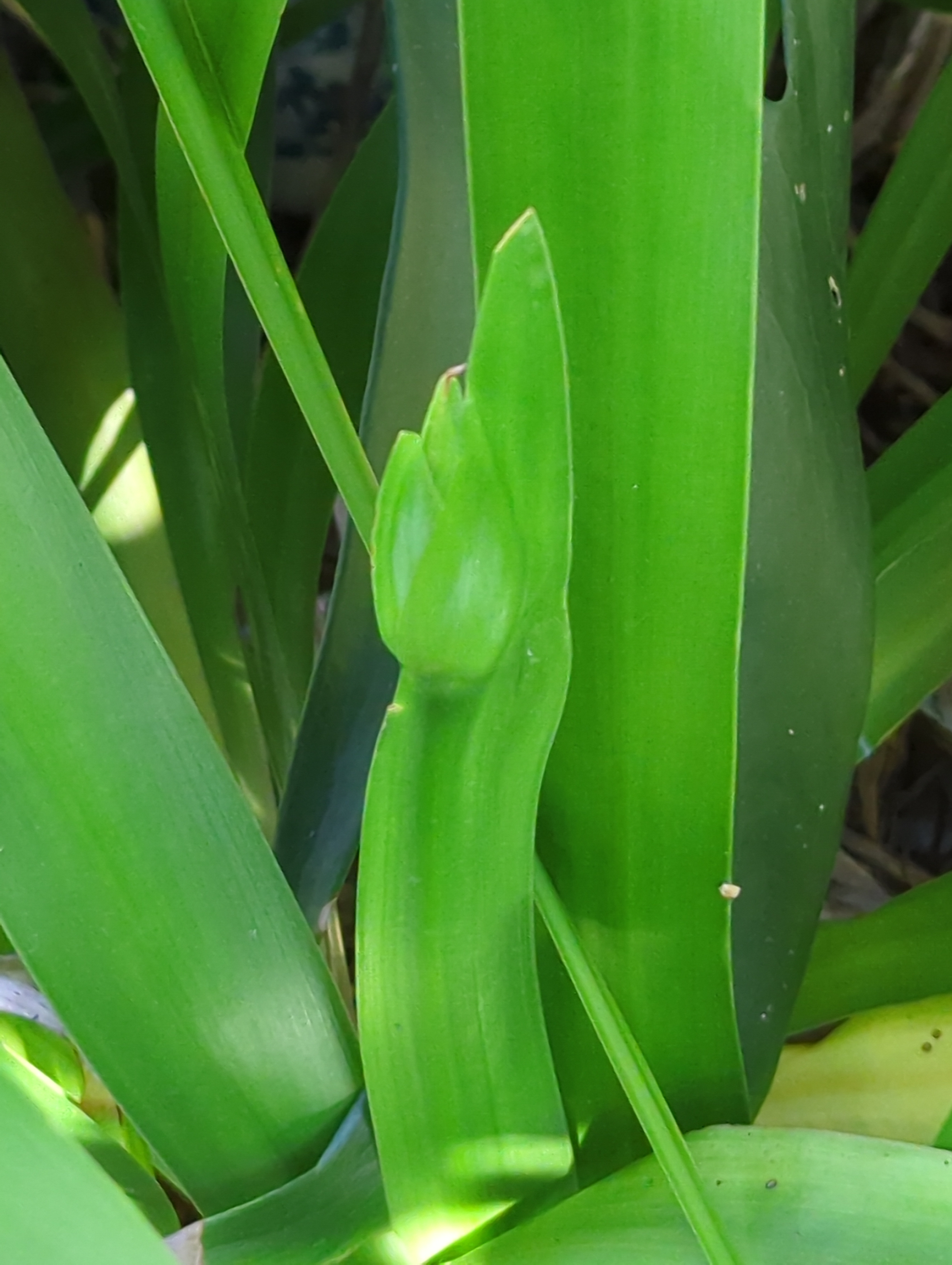
Te sheath can hold two flowers that develop one at a time.
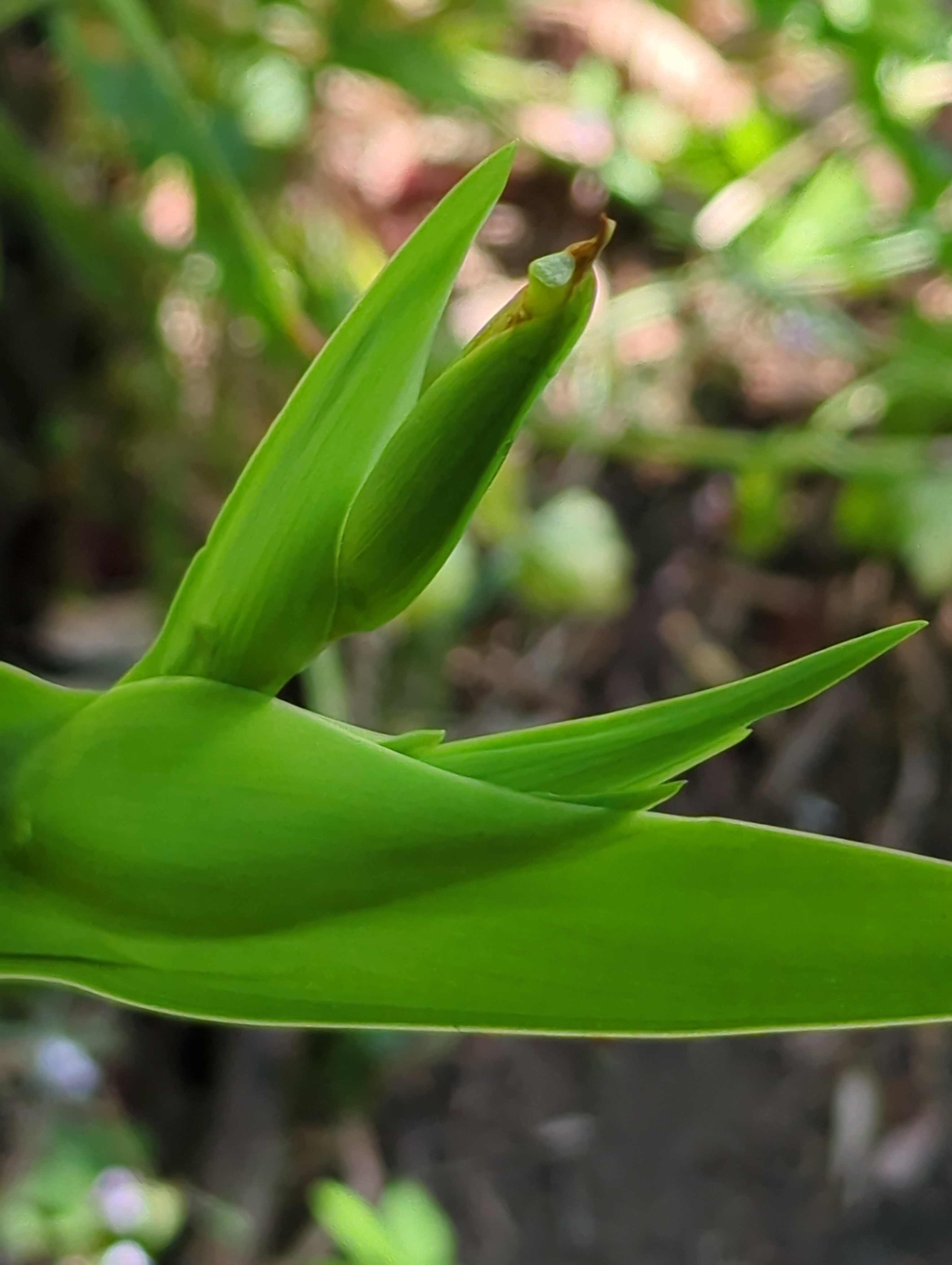
In the image below you can see that the lower flower has bloomed and is now spent and the bud above is growing and and will soon flower, both growing from the side of a leaf,
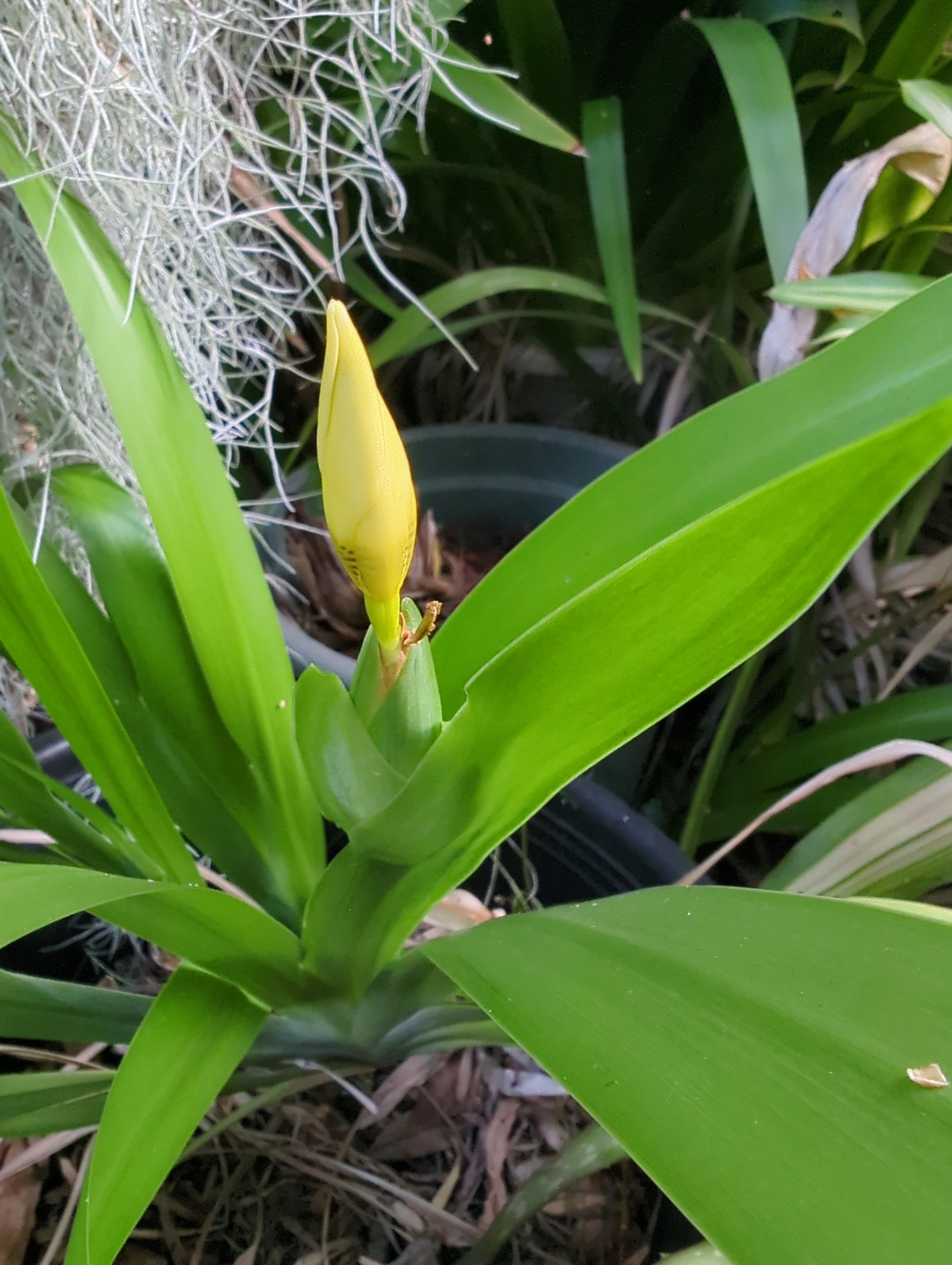
Below is a flower bud fully emerged from the sheath ready to open, most probably at dawn. By sunset it will have closed tightly into itself and then will drop off over the coming days.
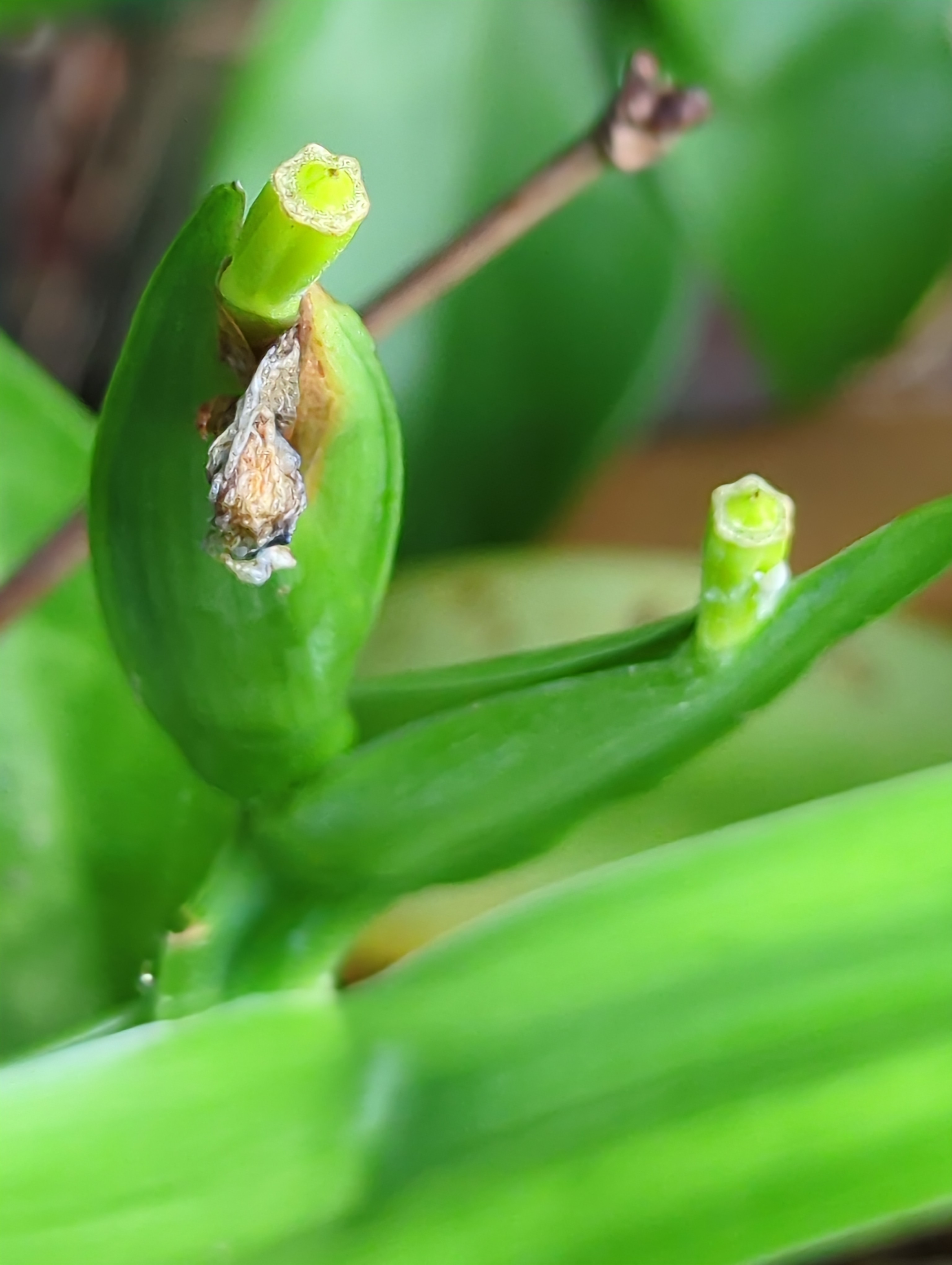
Here is the receptacle that holds the ovary after the floral structures have fallen have fallen. In this case it is an inferior ovary that is, one that lies below the attachment of other floral parts.
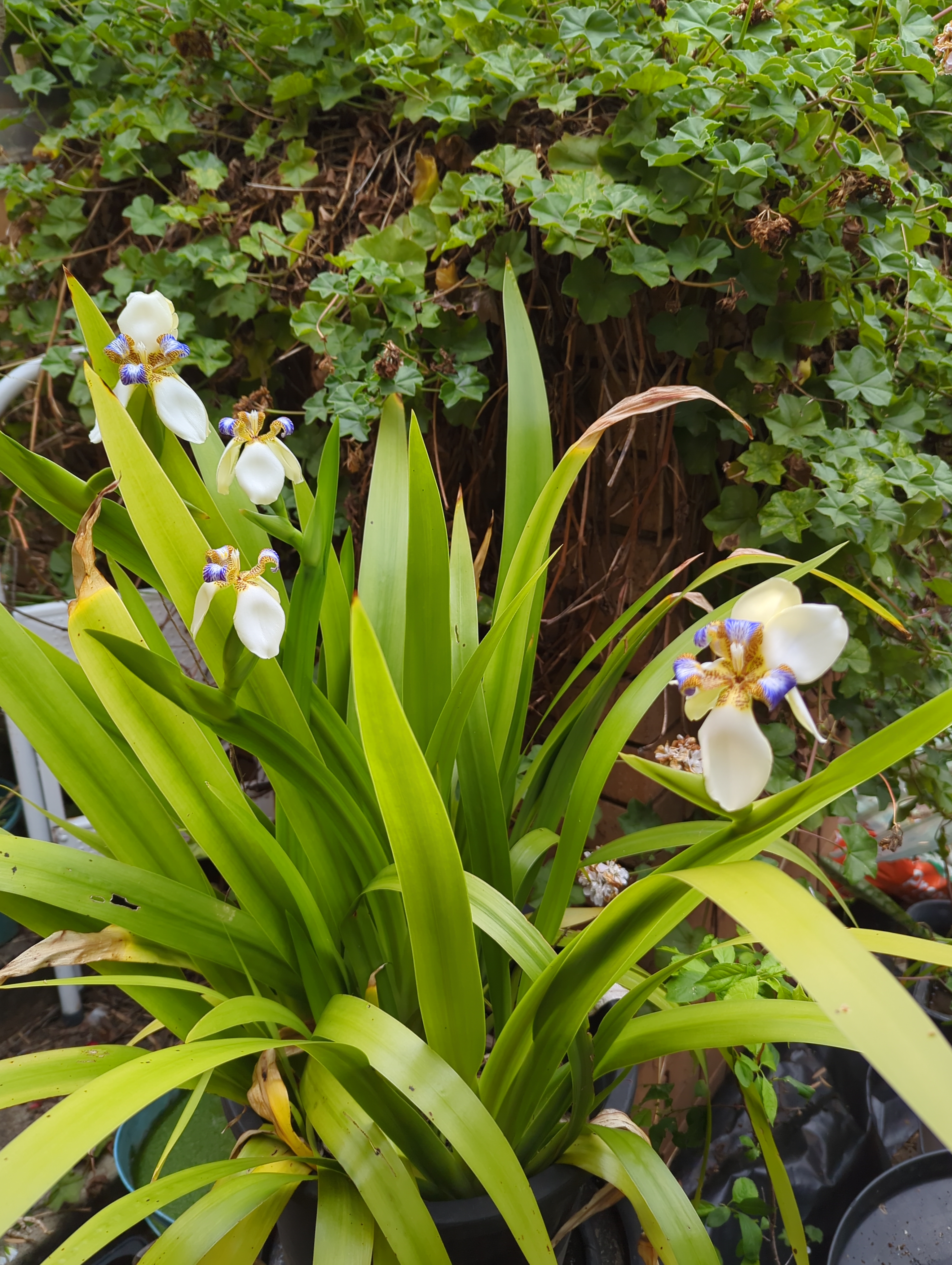
Even though a single flower only blooms for one day, more flowers will be emerging from late spring to summer on other leaves. Below is a pot of walking iris plants that has many flowers emerging on the same day. By nightfall they will all be gone and the plant will concentrate on developing the plantlets or seeds.
The flower of the walking iris is so eye catching that one just has to stop and admire its delicate beauty.
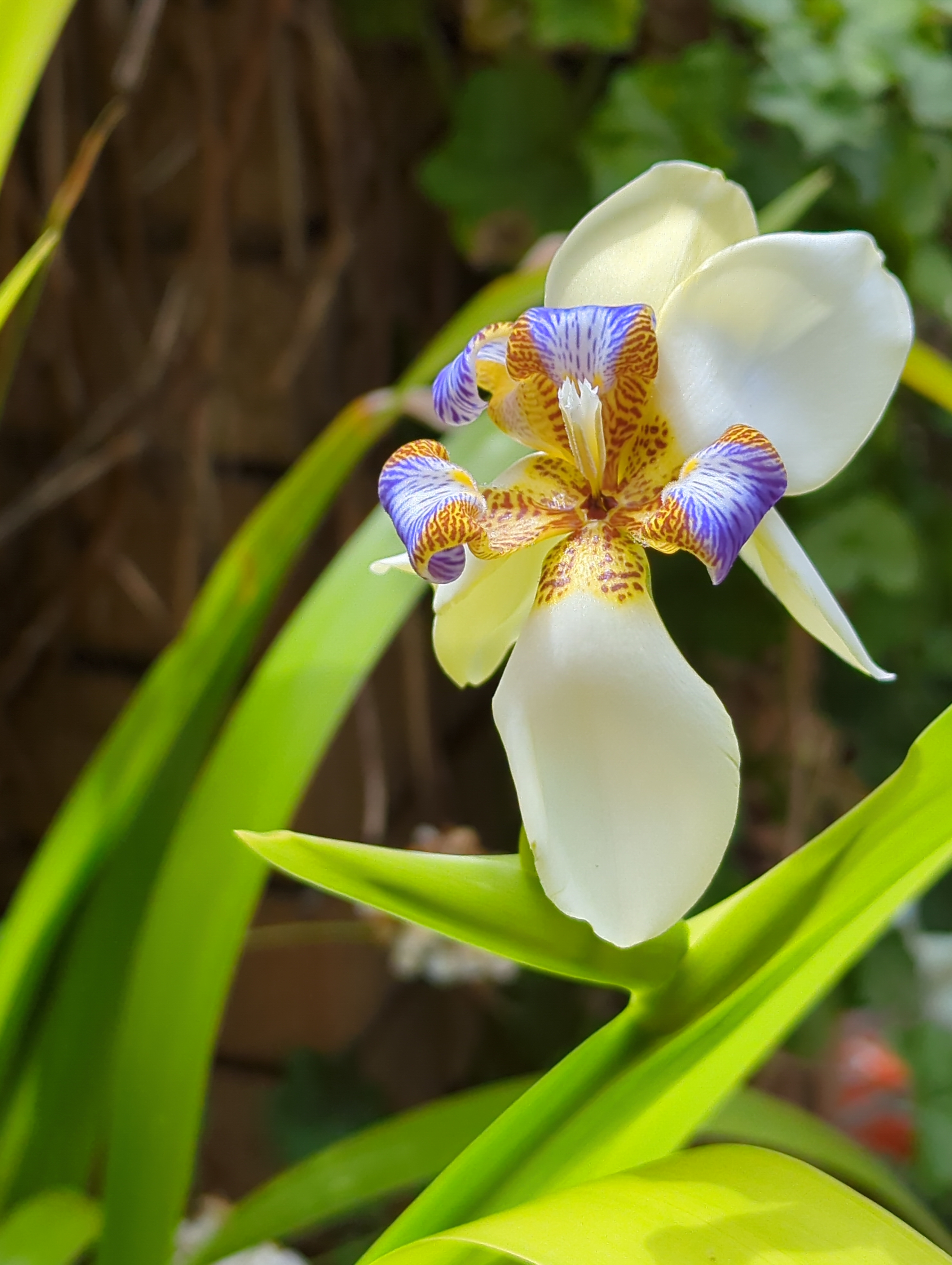
The leaf bearing a new plant grows longer so that the new plantlet can find some soil to embed itself and allow the end rhizome to set roots. The leaf can grow from 98 – 119 cm and then the weight of the plantlet will pull to leaf down to the soil as the image below shows. In this case it is a potted plant that will need to have the plantlet directed to another pot ready to take it. It is also useful to place the plantlet in a tray of water where the rhizome at the base will develop roots and can then be removed from the mother plant and potted on or planted out in the garden in a suitable location.
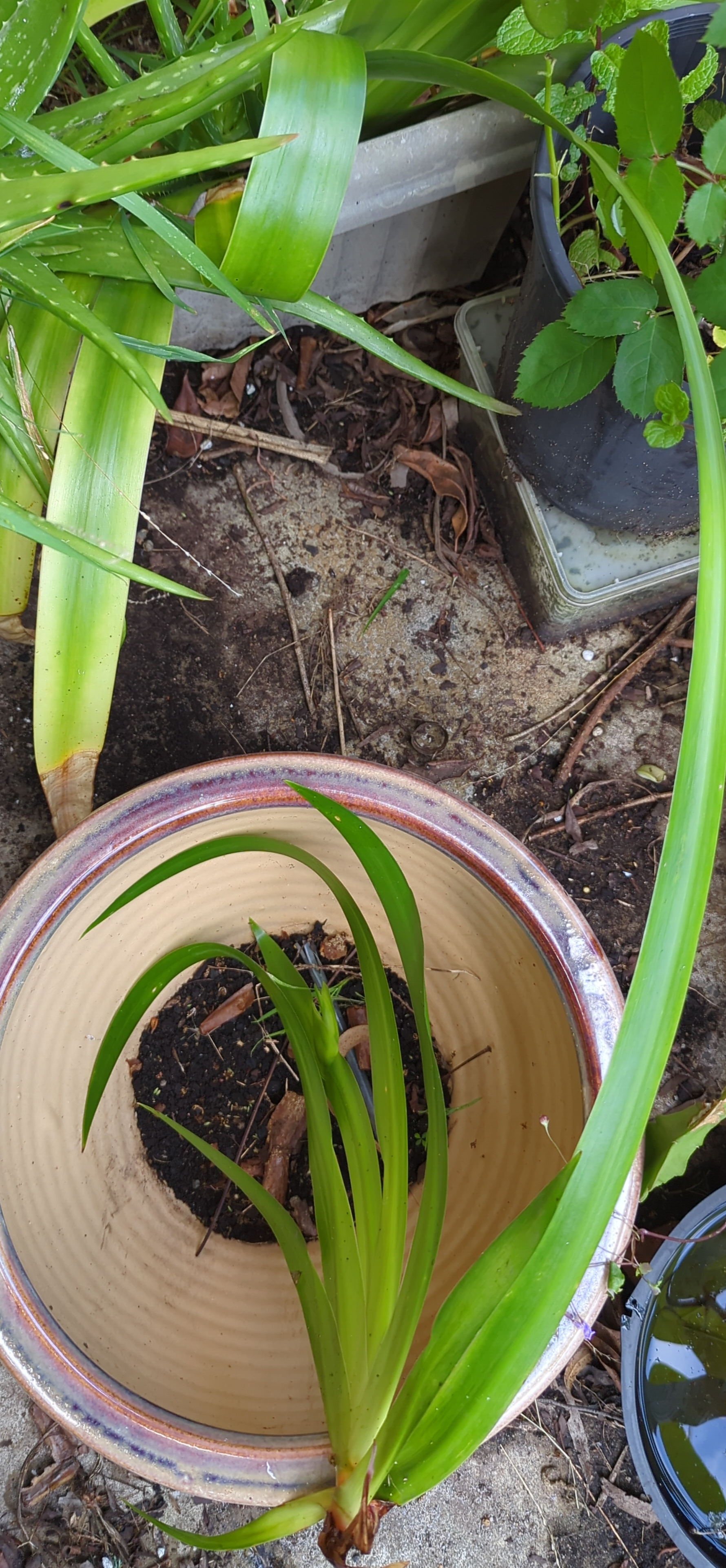
Just allow the plantlet to sit in a saucer of water till the rhizome develops a few roots and then re-pot.
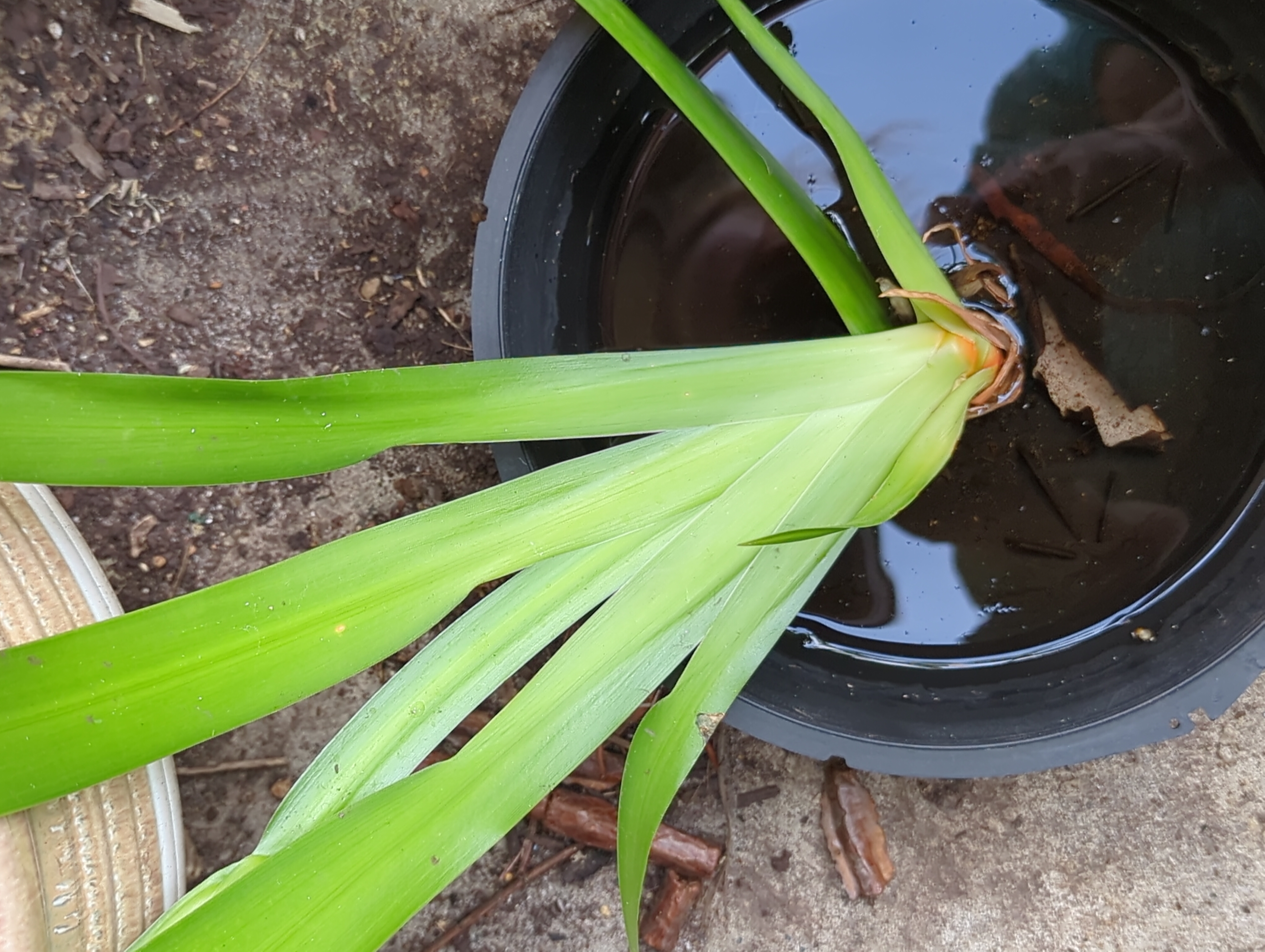
Below is a close up of another healthy young plantlet. When it finds the conditions suitable it will then develop roots to anchor it into the soil.
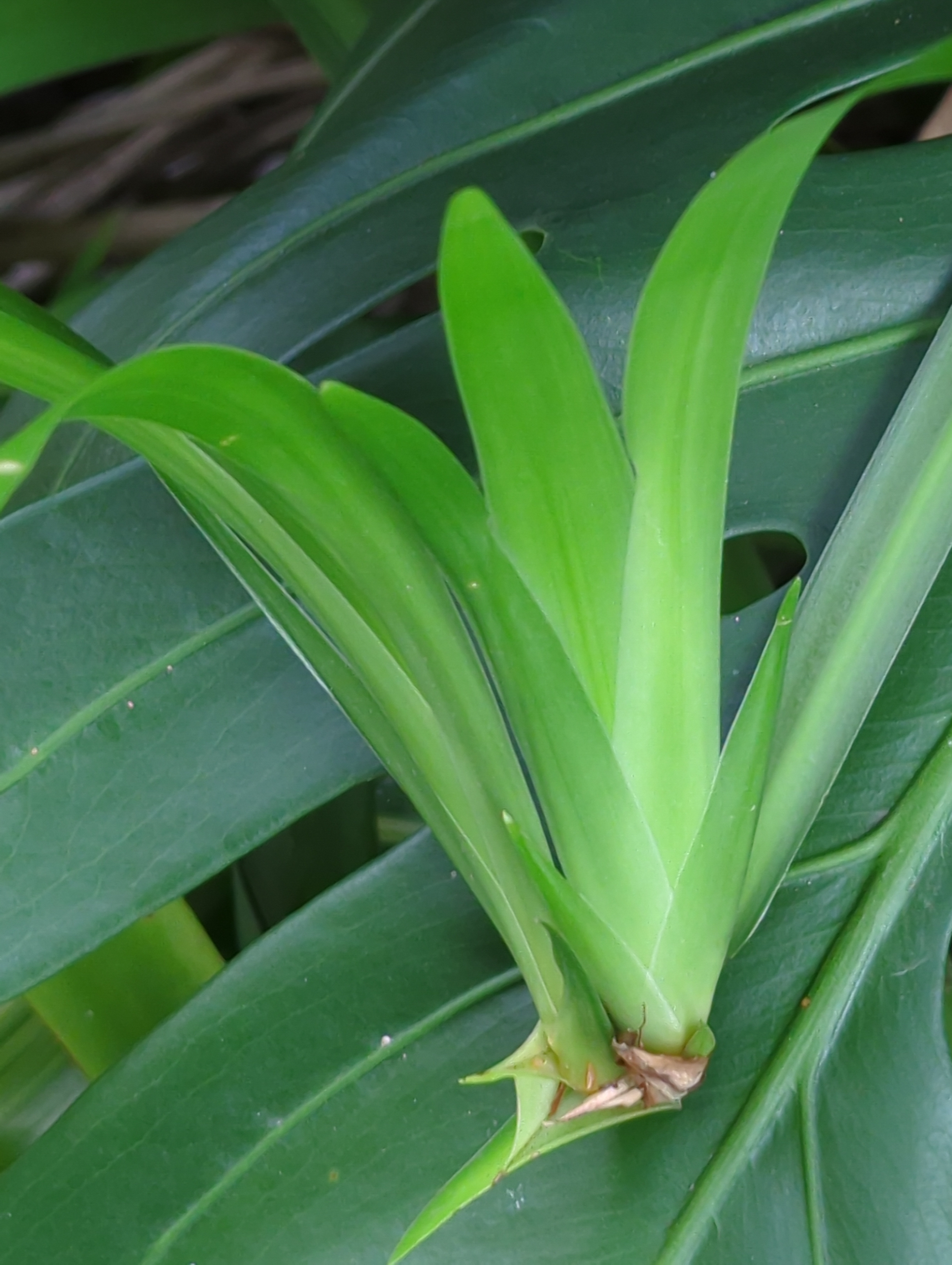
Below you can see the newly established plant with the original leaf still attached. At this point you can clip it off and the new plant will grow or if you wish you can move it to a new location
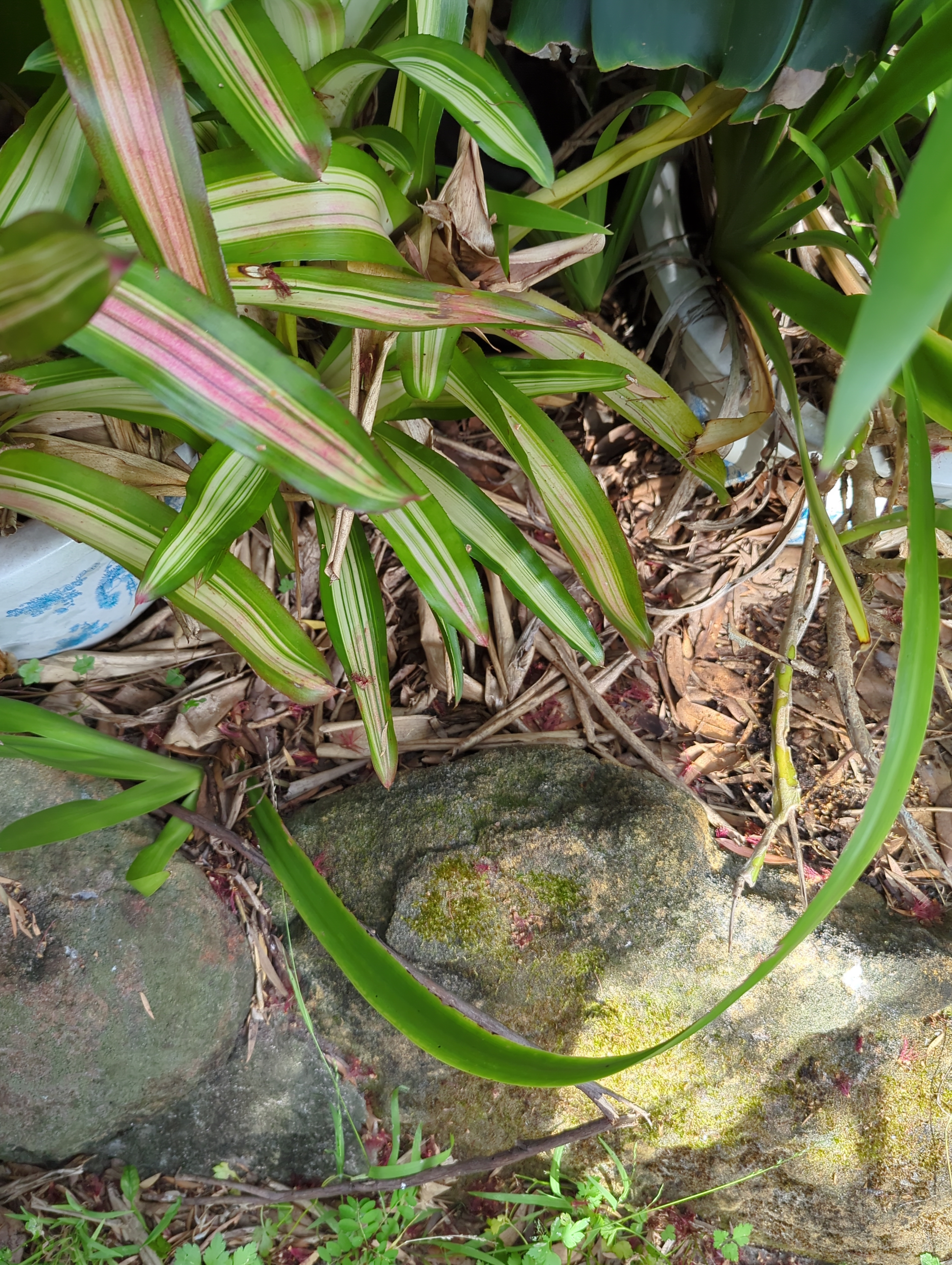
Even when the Walking iris is not in flower, its lush green leaves can add to any garden and as the new ‘walking plants’ develop slowly it is easy to remove unwanted plants to new locations or even transfer them in pots for a shady verandah or share with friends.
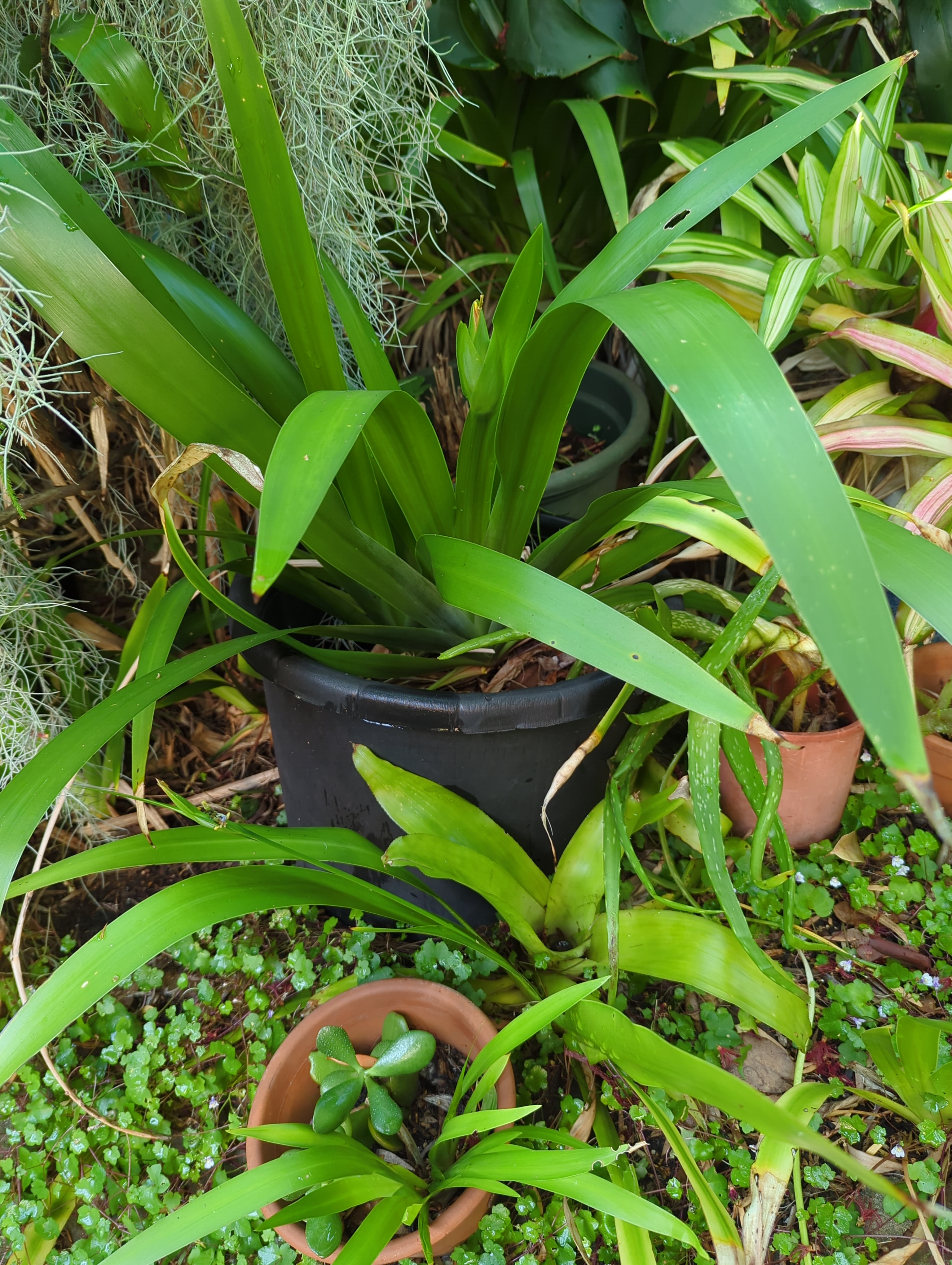
These plantlets have found their way into pots that were in the garden and have made themselves at home!! They are such a hardy perennial that they are resilient and even drought tolerant.

Growing Neomarica candida:
Ensure that the site located has good drainage to prevent the rhizomes from rotting. The soil should be rich and fertile be enriched with aged organic compost and well rotted leaf hummas.
The soil should have a pH of 6.0-6.5.
As mentioned above select a site that has good indirect, dappled light under a canopy of trees that will offer the leaf litter that they prefer to grow into, The Walking iris likes humidity and blooms best when it receives a little direct sunlight that filters down through the trees.
In extreme weather keep it well watered but not over watered. It is more forgiving of drought than to over-watering which promotes root rot and fungal diseases. Lightly mulching can prevent evaporation and keep the soil cool in extreme heat areas. Cut back on water during the dormant months where plants can rely on environmental moisture during rainy weather.
The Walking iris is a wonderful plant for the shady areas of the garden. It is so easy to grow that you will find it an asset in your garden.
 The Grantham Gardener