
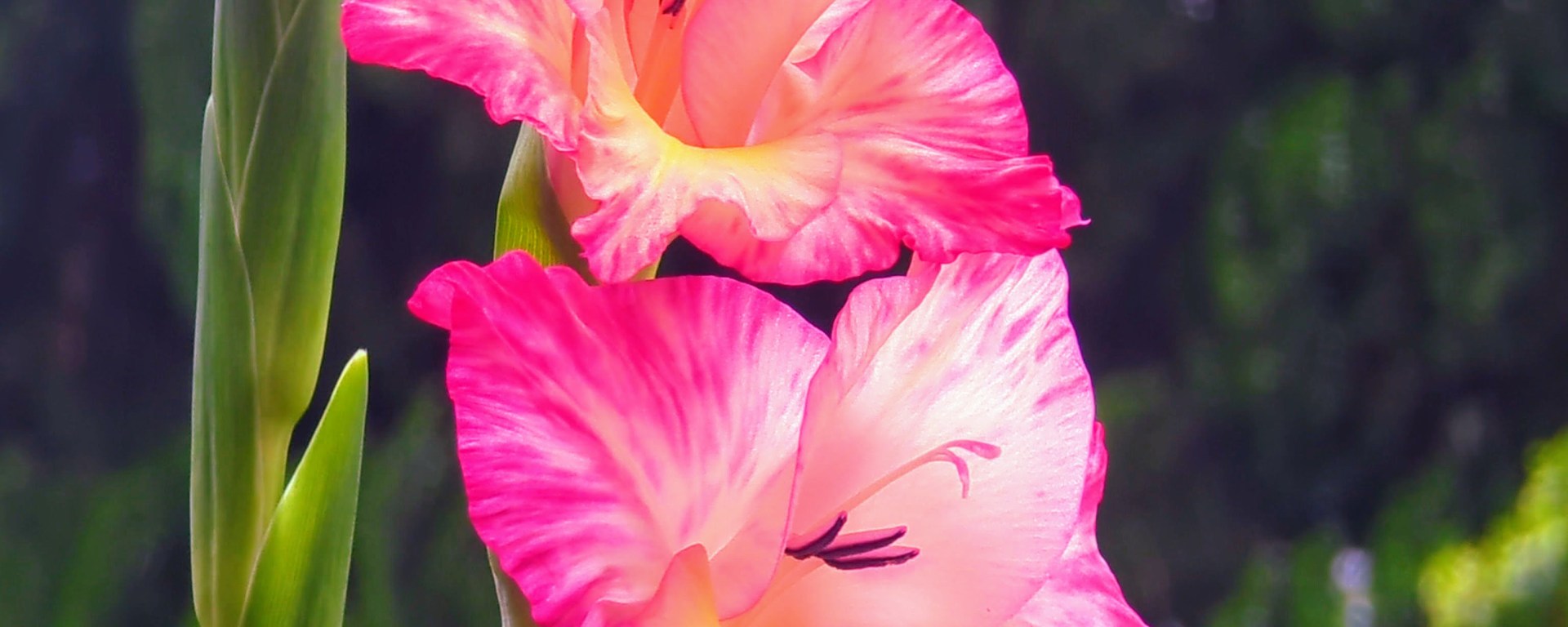
Today is the first day of summer and this is the first planting guide of the season.
The following is a list of vegetables and herbs you can plant in December in Sydney, a temperate zone. Just click on the name for the growing guide for each vegetable or herb:
- Basil
- Beans (dwarf and climbing)
- Beetroot
- Cape Gooseberry
- Capsicum seedlings
- Carrot
- Celery seedlings
- Chilli
- Choko
- Cucumber
- Eggplant seedlings
- Kohlrabi
- Leeks seedlings
- Lettuce
- Luffa seedlings
- Marrow
- Mustard greens
- Okra seedlings
- Pumpkin
- Radish
- Rockmelon seedlings
- Silverbeet
- Squash
- Sunflower
- Sweet corn
- Tomato seedlings
- Turnip
- Watermelon seedlings
- Zucchini seedlings
Plant of the Month – The elegant and beautiful Gladiolus
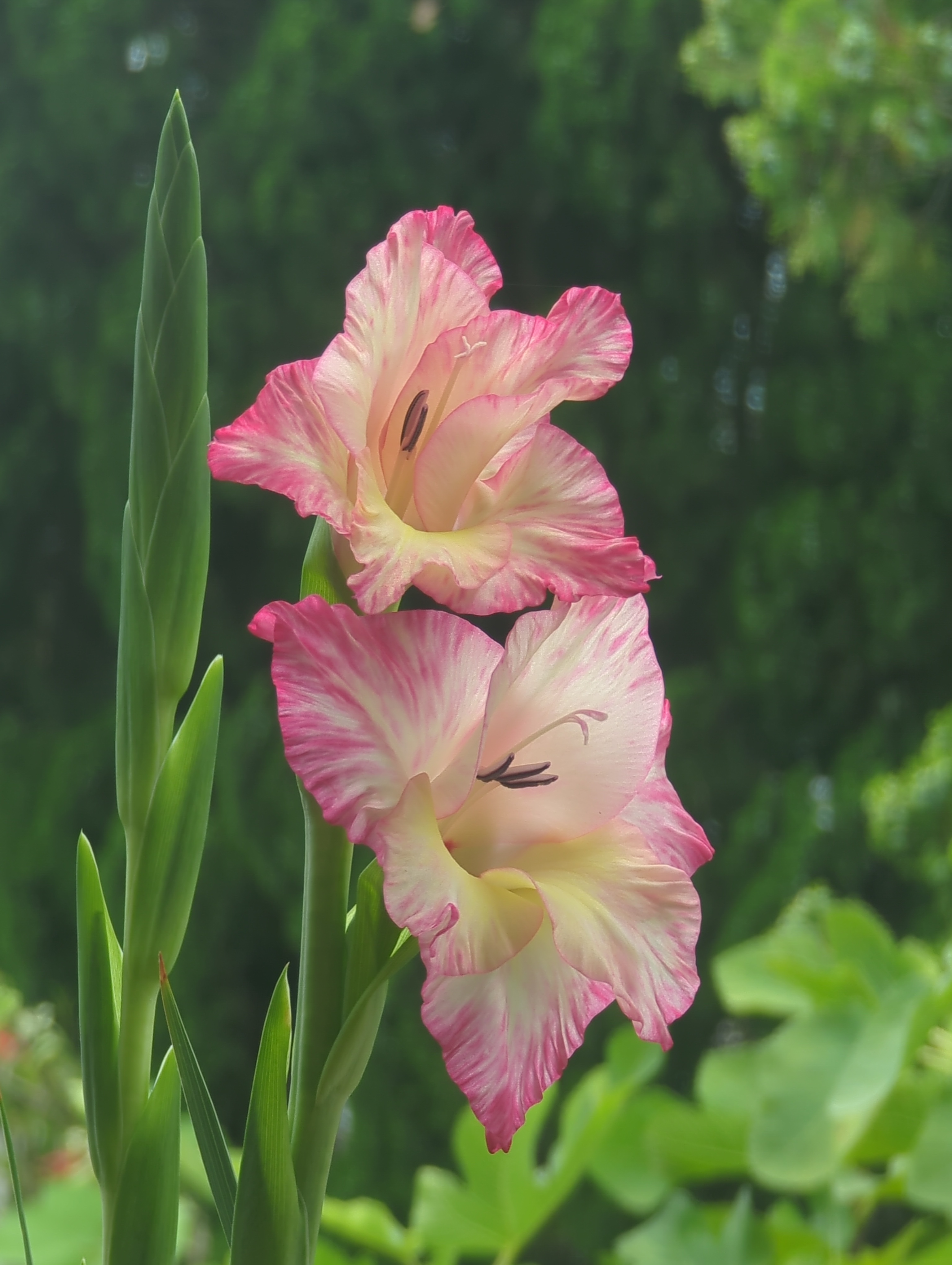
Gladioli are a classic perennials that are beloved all over the world for their tall, elegant spikes of showy blooms and their vibrant colours.
The modern gladiolus are in the family Iridaceae; genus Gladiolus. The name gladiolus (or gladiola) comes from the Latin for sword and means small sword as this is the shape of the leaves. The genus Gladiolus contains over 300 species, with most endemic to southern Africa and tropical Africa and others occur in Asia and Mediterranean Europe. Its cultivars offer a wide range of colours, shapes, and sizes that few other flowering plants offer.
Gladiolus species were growing in the fields of Asia Minor over 2000 years ago where they were called corn lillies The European species were cultivated at least 500 years ago. Gladiolus byzantius, were introduced in 1629 from Constantinople.

With England trading with India via the Cape of Good Hope route several South African species were sent to England, starting in 1737. The spectacular giant flower spikes in commerce are the products of centuries of hybridisation and selection since then.
Gladioli are used as landscape plants, in the home garden and have made a resurgence in popularity as cut flowers in the florist industry. Their beauty and long lasting blooms make them a perfect flower to enjoy in our own homes straight from the garden.

Gladiolus flowers come in all colours colours: red, orange, yellow, yellow/green, green, red/purple, purple, white/ivory, pink though not true blue. Colours may be solid, bi-colour, speckled, streaked or other exotic patterns. Florets can range from miniature and spaced widely on thin stems to tall 183 cm stems with large showy flowers with a wide range of petal shape, texture and edging.

The Amazing Corm:
Gladiolus grows from ‘storage‘ corms which are an enlarged stem base, (underground structures that store nutrients, such as carbohydrates), a significant amount of energy for the plant’s growth and survival during dormancy or when conditions are not favourable to the plant.
Corms have solid tissue at their centre. Corms have a protective covering, often referred to as a ‘tunic‘, which helps retain moisture and protect the stem from damage. The top of the corm produces buds, which grow into shoots and eventually produce normal leaves and flowers.

The bulk of the corm is made up of the fleshy substance that serves as a food supply for the growing plant. The top of the corm is dome shaped while the base is flattened with an indent which is where the old corm was.
When the corm is planted into warm soil, roots first grow from the base of the old corm, these are called filiform roots. Then a new series of roots develop; the contractile roots growing from the base of the stem which is then the beginning of the new corm. The contractile roots act as anchors, carry soil nutrients and act as water reservoir too.
The corm is covered with overlapping husks (made of the old leaves) that come together around the base of last years flower stalk. Each has a series of buds called nodes up each side where the husks meet. The top one or two develop the new plant.
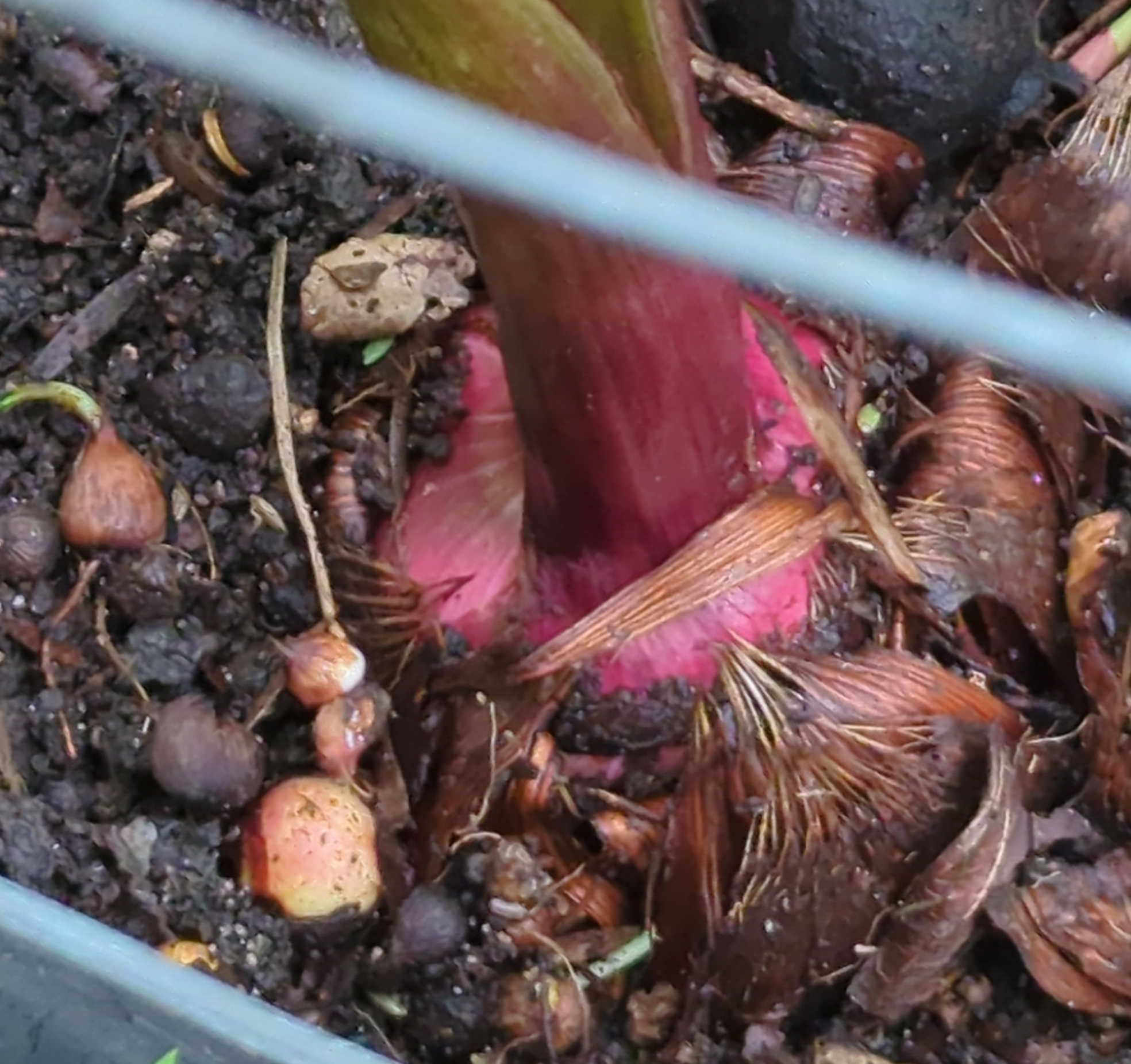
After this new corm is growing, underground runners appear at the base of it.The ends of these swell, developing into little cormels. Each is a tiny corm having one leaf bud at the top and tiny root nodules at the base. These, are covered with a shell like substance and is quite hard as the cormels reach maturity.These cormels, are true to cultivar and is the basic planting stock for increasing the supply of a cultivar.
After the plant has made its seed, the new corm developing at the base of the flower stalk will be next year’s gladiolus plant. In this corm, food is stored, buds are developed, the bases of the old leaves become the protective tunic covering, and the old leaves die back. The new corm enters its period of rest. to grow
again with the coming of warm moist days. The cormels with their tiny corm of one bud will be covered in their hard shell like coating. Each cormel will grow into a corm once this coating breaks down by warmth and moisture.
Development of the Gladiolus:
Before these contractile roots develop, and soon after the filiform roots begin growth, the stronger buds from the upper part of the corm begins to grow through the soil to form the new plant.
The first growing parts to push through from the bud are 2-4 sheathing scales, whose purpose is to protect the tender leaves as they in turn grow toward the light. These sheaths are flattened and folded double so each enfolds the next, their open edges facing opposite each other. Each succeeding sheath pushes its way up through the folded base of the one before, facing in the opposite direction.

The leaves then grow in the same way as the sheaths. They are already formed ready to push up. The first true leaf usually appears about 20 days after the corm has been planted and the others follow quickly. The plant produces 1-9 sword shaped leaves with longitudinal grooved , leaves enclosed in a sheath.

The leave’s striations, with their grooves and peaks are coated with waxy nano-flakes which direct water to the ground.
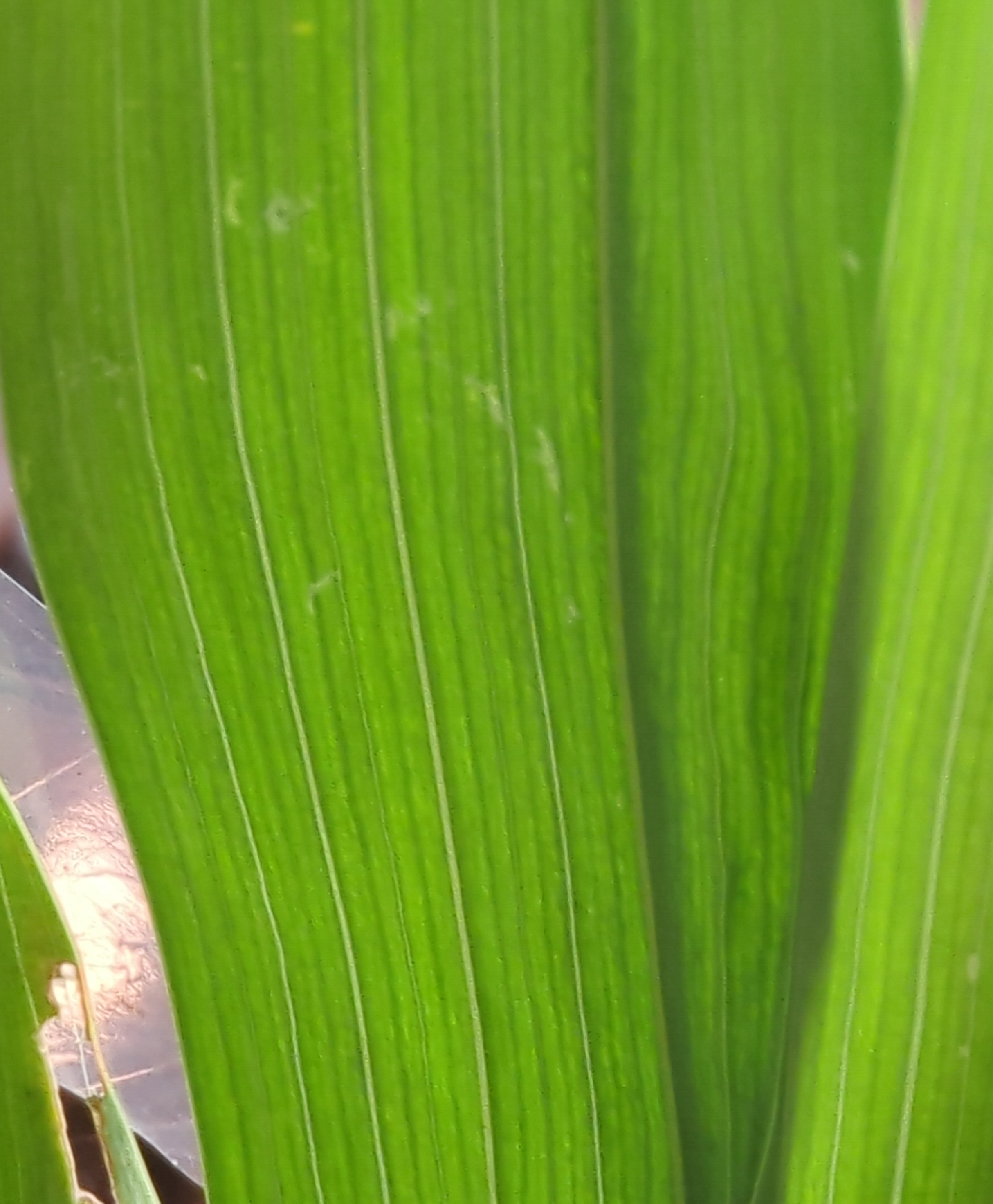
The flower stalk forms at the base of the 5th leaf and as it grows, florets develop as swellings on it, and the stem emerges up through the older leaves.
The flower stalk begins to develop within about a month after growth starts. All the buds develop within 7 – 10 days. It is during this period that the number of buds will be determined. Care at this early stage is important because no more buds will form. The flowering spike has been formed well before it grows upward through the sheath.

Each flower has a pair of small leathery green sheathing spathes, that enclose the ovary fastened to the stem.
The structure of the flower then is based on three.
Each ovary has three compartments holding the undeveloped seeds. It is an inferior ovary, that is, it lies below the attachment of other flower parts. The capsule contains between 50 and 100 ovules that mature within 30 days after fertilization.

A short stalk grows from the ovary that develops into the six parts of the flower, three are sepals and three true petals. They are united at their base into a tube-shape with the dorsal petal the biggest and arches over the stamens. The outer petals are smaller. The perianth, the structure surrounding the ovary, is funnel shaped with the stamens attached to its base.
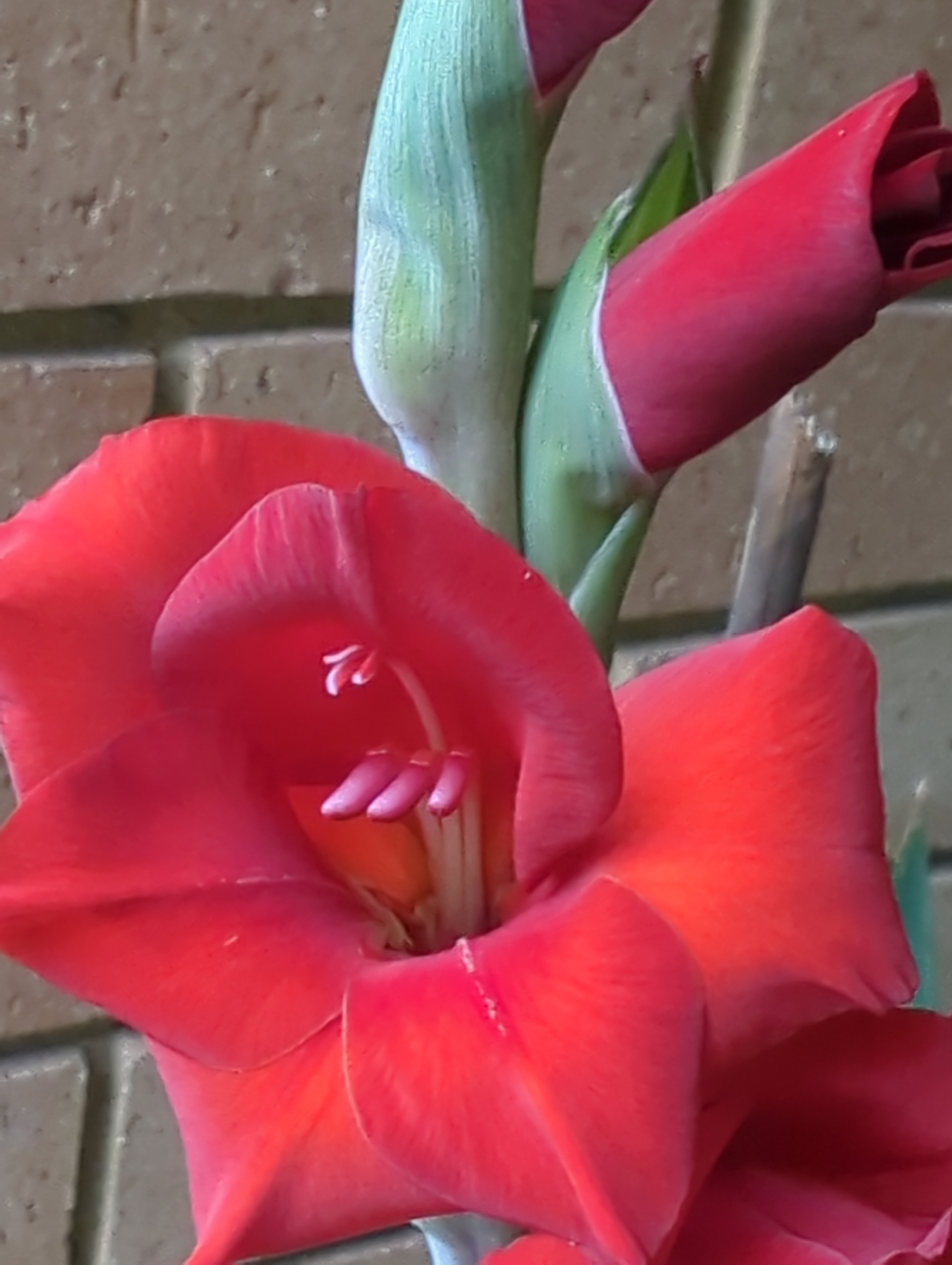
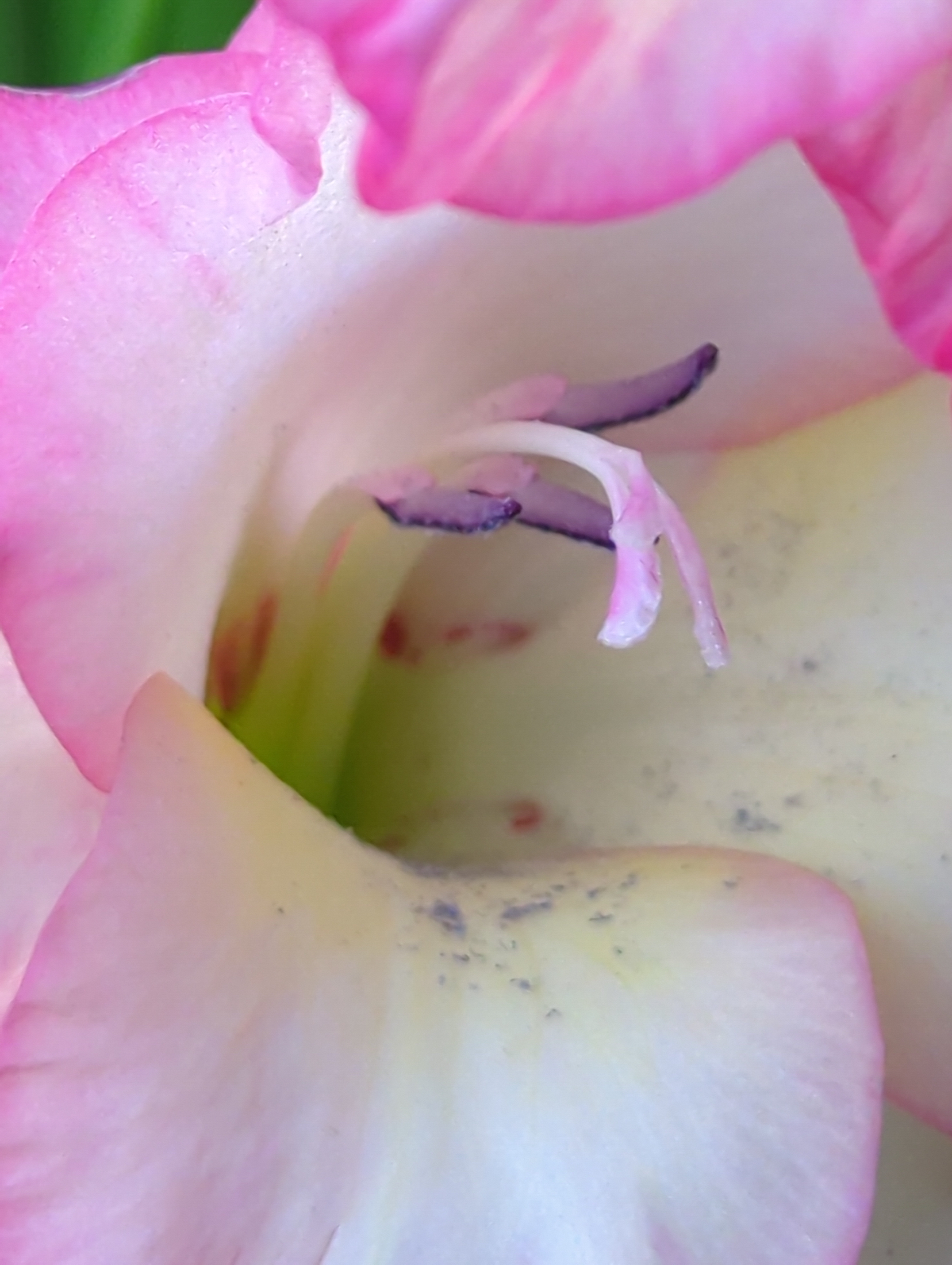
Attached to the base of the three petals are three stamens made up of filaments and spoon shaped anthers (the pollen bearing sacs).
From the centre of the ovary grows the pistil made up of the style and the three part stigma at the top. It is longer than the stamens and borne slightly above them on the flower.
The buds open and mature from the bottom of the spike upwards, with the last emerged bud opening first and the top most, earliest emerged bud maturing last. Each flower faces the same way on the spike.
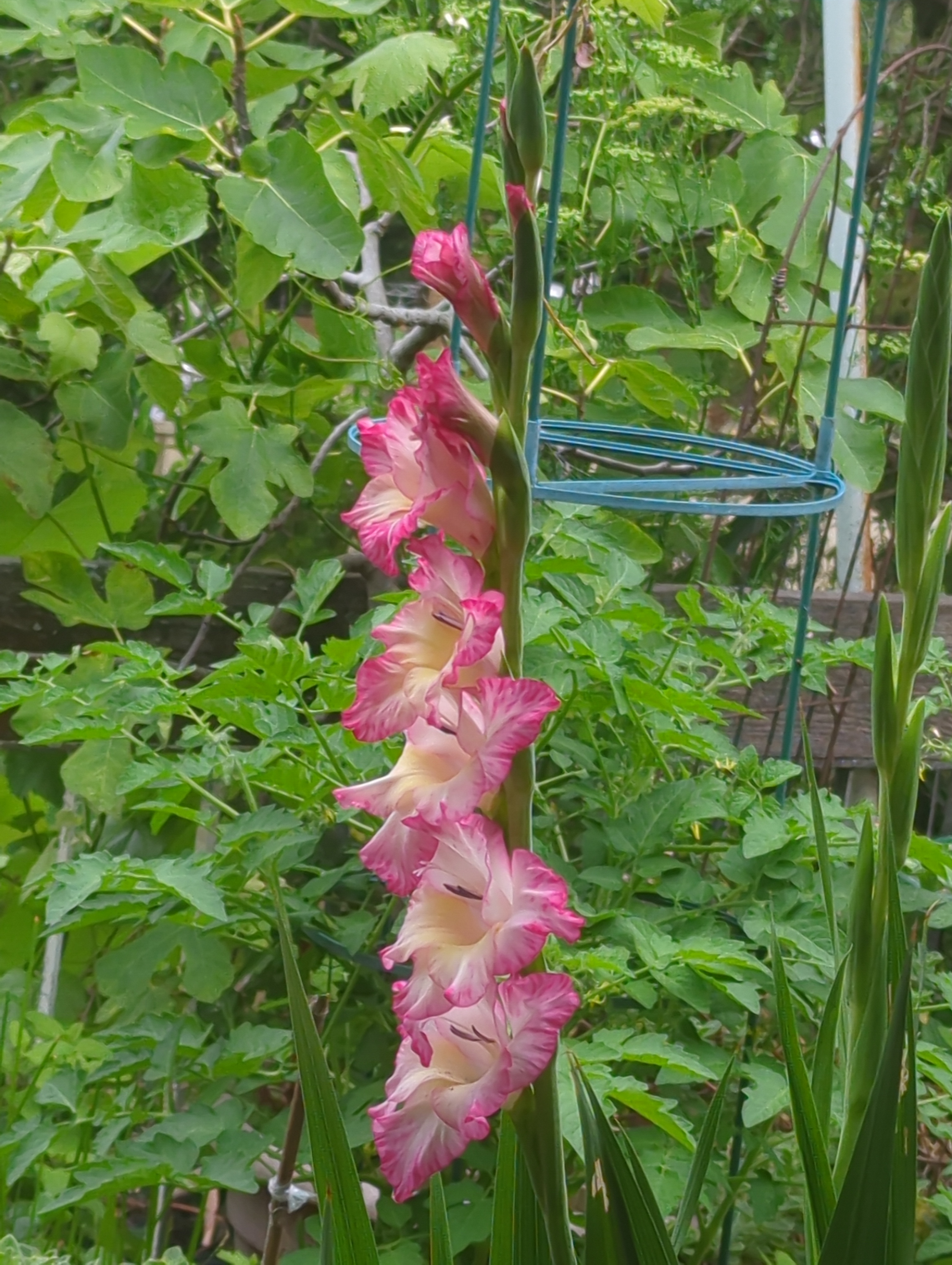
The spikes have a tendency to lean over with gravity and hence the need to support them.
Cultivation of Gladioli:
Site and Soil Reqirements:
Gladiolus need at least six hours of direct sunlight each day especially during the growing season. Morning sunlight is particularly beneficial as it is less intense and less likely to cause damage to the flowers.
The important thing to remember is that most of the development forms early inside the corms and so during the early period of growth, it is most critical to attend to the needs of this plant.
When selecting the growing site in your garden observe the sunlight t receives throughout the day, choosing the sunniest spot. Avoid areas that are shaded by large trees or buildings. I learned this to my regret and not noticing trees behind my gladioli grew over the years and cast a shade that only allowed leaves but no flowers to form. The climate in Sydney allows the gladioli to remain in the soil. I had to lift them and move them. The lesson is keep an eye on the sunlight that your site gets.
Gladioli prefer well-draining soil as waterlogged soil can lead to rotting of the corms. Using raised beds can help with drainage on the site.
To improve soil fertility and structure, loosen to a depth of 30 cm, digging through organic matter like aged compost or well-rotted manure into the soil This organic matter both enriches the soil with nutrients and improves its texture, enhancing drainage and aeration.
The ideal pH for gladiolus ranges from neutral to slightly acidic, pH 6.0 to 7.0. This Test your soil’s pH and amend as needed.
This preparation ensures that the roots have enough room to grow and can access the nutrients they need.
Planting:
The timing for planting gladiolus corms is most important for their growth. The ground needs to be frost-free and warm enough for planting in the spring when soil temperatures reach 13°C. In warmer climates that do not get frost, gladiolus corms can be planted as early as late winter. Stagger planting can lead for a longer blooming period.

Select the best corms that are firm to the touch free of any damage. Larger corms develop larger blooms.
For growing Gladioli for cut flowers plant them in rows otherwise for borders plant in groups of 6-7 for best effect
Make planting holes 10-15 cm deep. This allows the growing plant to be supported, especially for tall varieties.
Plant the corms with the pointed end upwards. This will ensure that the shoots emerge properly. Space them 12 cm apart to ensure enough nutrients and water for each plant as well as air circulation to prevent diseases.
Cover the corms with soil pressing it down gently then water the planting site well to encourage growth.
Carefully insert stakes at the time of planting to avoid damaging the corms or roots, placing the stake close to the planting site. Take into account of the expected height of the cultivar that you choose.
Put a layer of mulch around your gladioli to conserve moisture in the soil and help prevent weeds.
Growing in Pots:
If your garden does not have a adequately sunny spot and loamy soil it is very possible to grow even tall species of Gladiolus in pots successfully. There also dwarf varieties but with care any type, well staked can give pleasing spikes of flowers. In the ground the flowers may be larger but with smaller gardens these days and in confined areas it is still possible to grow gladiolus if you have a sunny area to place your pots. Additionally pots can be moved to take advantage of the sun.
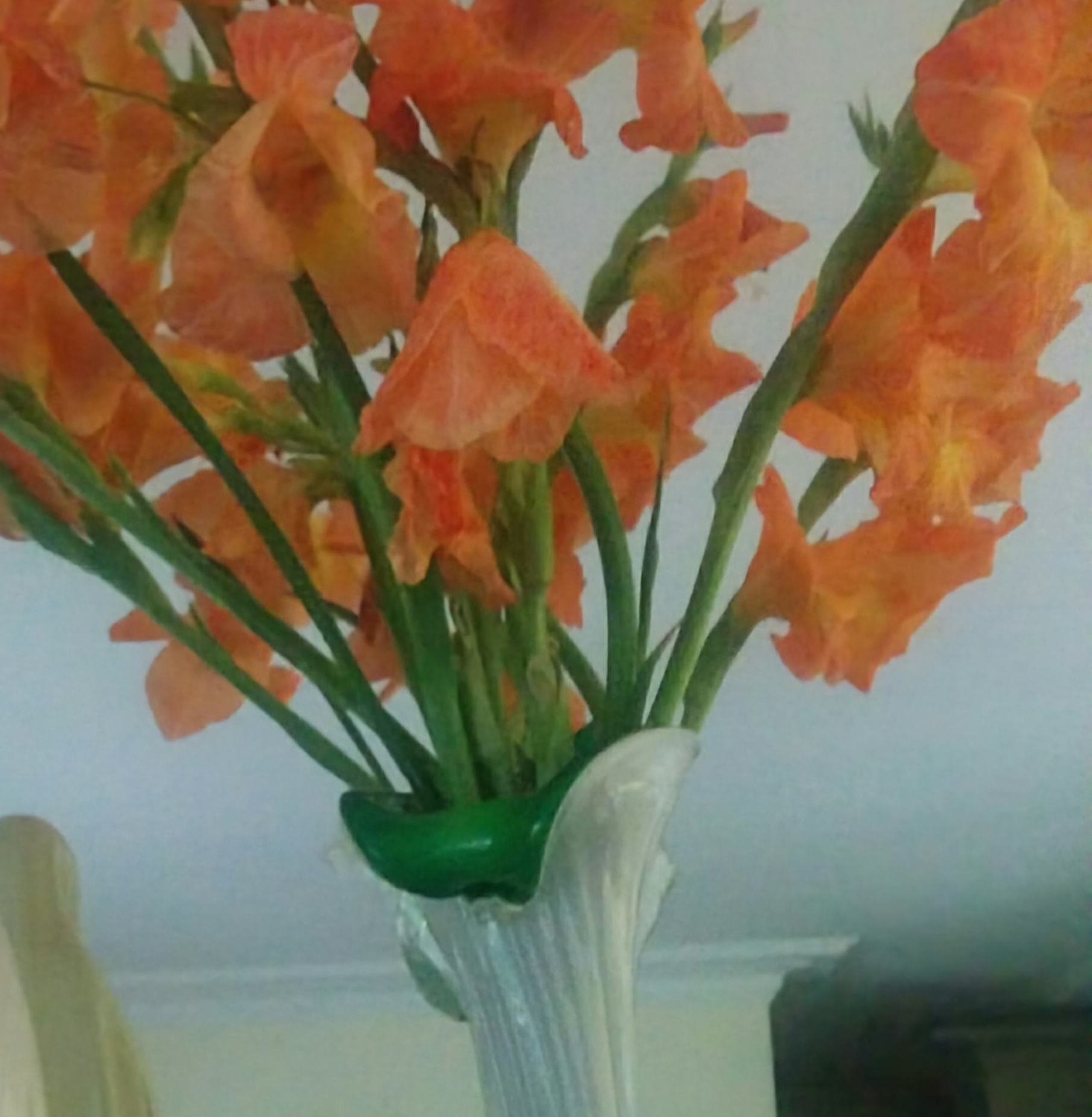
Two to three corms per pot will allow you to grow some lovely blooms. All the images on this post are of Gladioli grown in pots.
The same principles apply. Use a quality potting mix for bulbs and corms that allows water to drain well and also hold enough moisture to help the plants to grow. Keep the pots in sunshine and water as needed. Do not place the pots in saucers but rather on pot risers to allow water to drain away.Stake the plants early to provide support for the spikes.

Watering:
Gladioli need a consistent moisture to thrive. So keep the soil evenly moist but not soggy that can lead to bulb rot. Not enough moisture affects bloom quality. Also take into account environmental conditions like rainfall when watering.
Water deeply once a week. Check the soil. However, in extreme heat or dry conditions, water more frequently, checking the soil as a guide and mulch to prevent evaporation.
Fertilizing:
At planting time add a balanced, slow-release fertilizer as directed, to provide essential nutrients as the plants grow.
General Care:
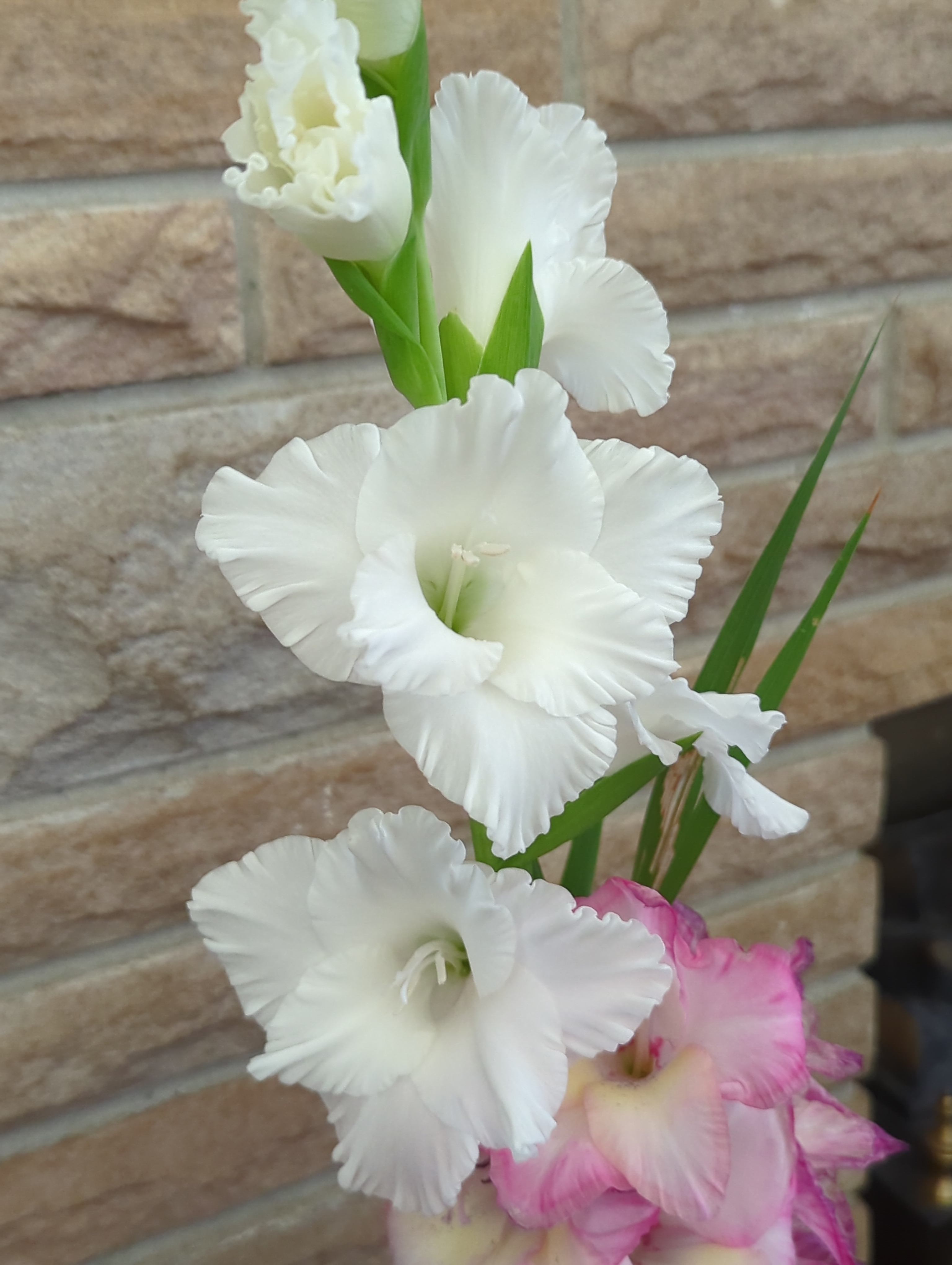
Remove the spent blooms as they die to allow the remaining flowers to benefit.
Once all the flowers on a stalk have died, cut the stalk off at about 5-7 cm above the level of the soil.
Let the leaves to die down completely to so that the corms will be fed for next year’s growth.
Harvesting for cut flowers:

Bring a bucket of lukewarm water to the flower bed or pot.
When cutting the spikes cut the flower stalks early in the morning or at night. Using a sharp knife cut diagonally through the stalks and place the spikes in the bucket.
Cut stalks with only one or two open flowers as the other buds will open in the vase. Leave at least four leaves on the plant in the ground to maintain the corms for the next year.
Place the bucket with the flower spikes in a cool dark place for a few hours before placing them in a vase.
Remove lower fading flowers and cut about 1 inch off diagonally from the bottom of each flower stalk every few days.

The beautiful and elegant Gladiolus is such a stunning plant that looks so beautiful in the garden, on pots and as a cut flower in vases in the home. The corms a relatively inexpensive and as the gladiolus loves long sunny days are perfect for so many climates. The vast array in colour and form will bring joy to any home.

As a fan of this lovely plant I will be planting many more next spring.

 The Grantham Gardener