
The following is a list of vegetables and herbs that you can plant in February in Sydney, a temperate zone. Just click on the name for the growing guide for each vegetable or herb:
- Amaranth
- Beans (dwarf)
- Beetroot
- Broccoli
- Brussel sprouts
- Carrot
- Cauliflower
- Chives
- Cucumber
- Endive
- Fennel
- Kohlrabi
- Leeks
- Lettuce
- Mustard greens
- Onion
- Parsley
- Radish
- Silverbeet
- Swedes
- Turnip
- Zucchini
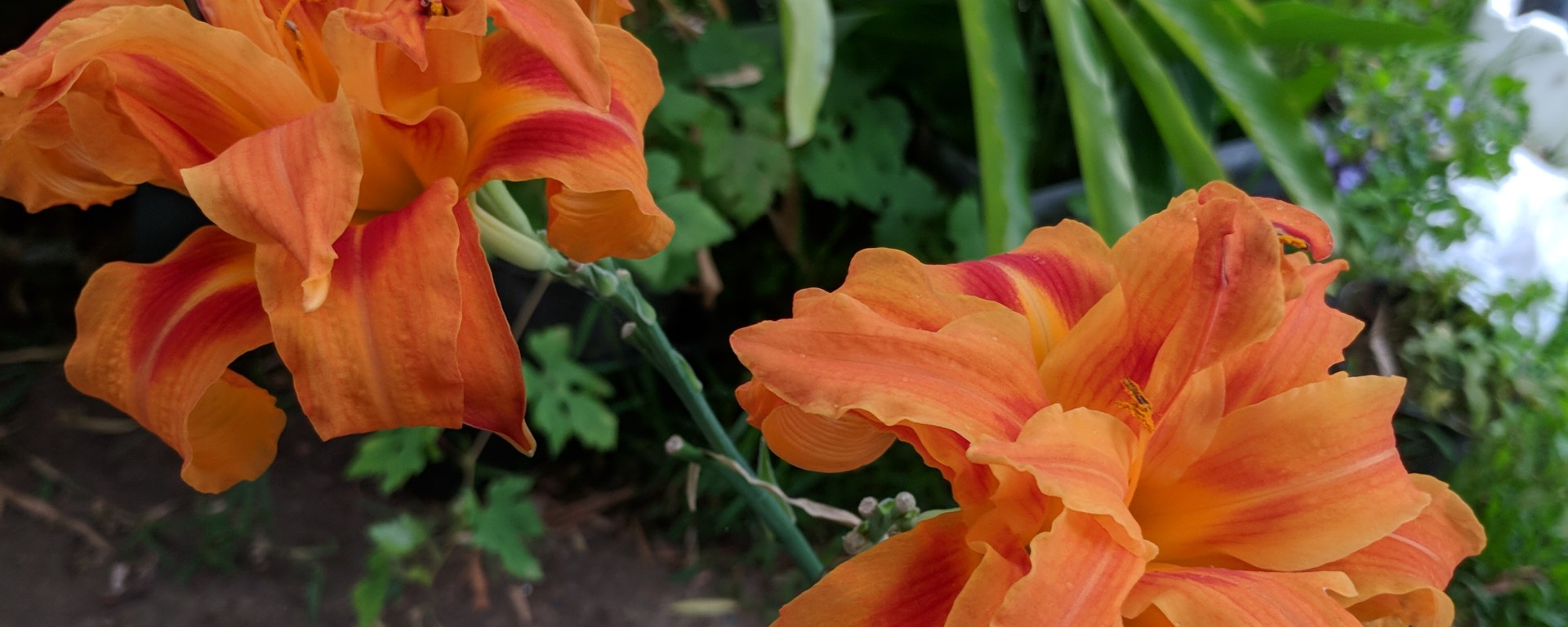
Plant of the Month – Hemerocallis fulva ‘kwanso‘- (Double orange day lily)
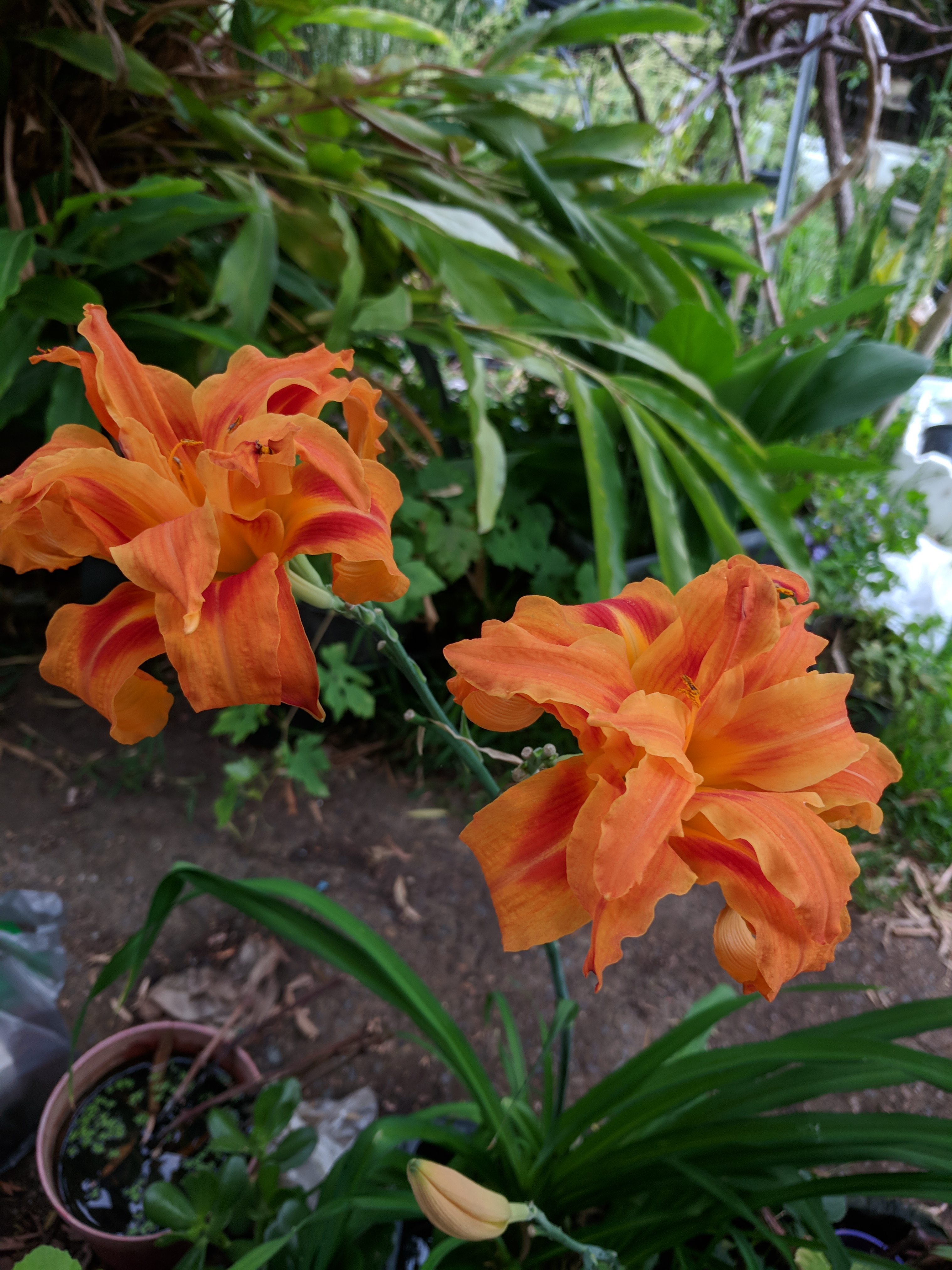
Hemerocallis fulva ‘kwanso’, the double orange daylily, is a beautiful species that is not related to the Liliam family but is part of the Asphodelaceae family. It is native to Asia from the Caucasus east through the Himalaya through China, Japan, and Korea and now widely grown throughout the world
The Kwanso daylily is a popular herbaceous ornamental perennial. It is prized for its vivid, ruffled blooms and repeated flowering from early to mid-summer. even though each flower lasts only one day as its name suggests. This distinctive variety is known for the multiple layers of orange petals with red to gold hues.
(Do click on any image in this post to enlarge and see further detail).
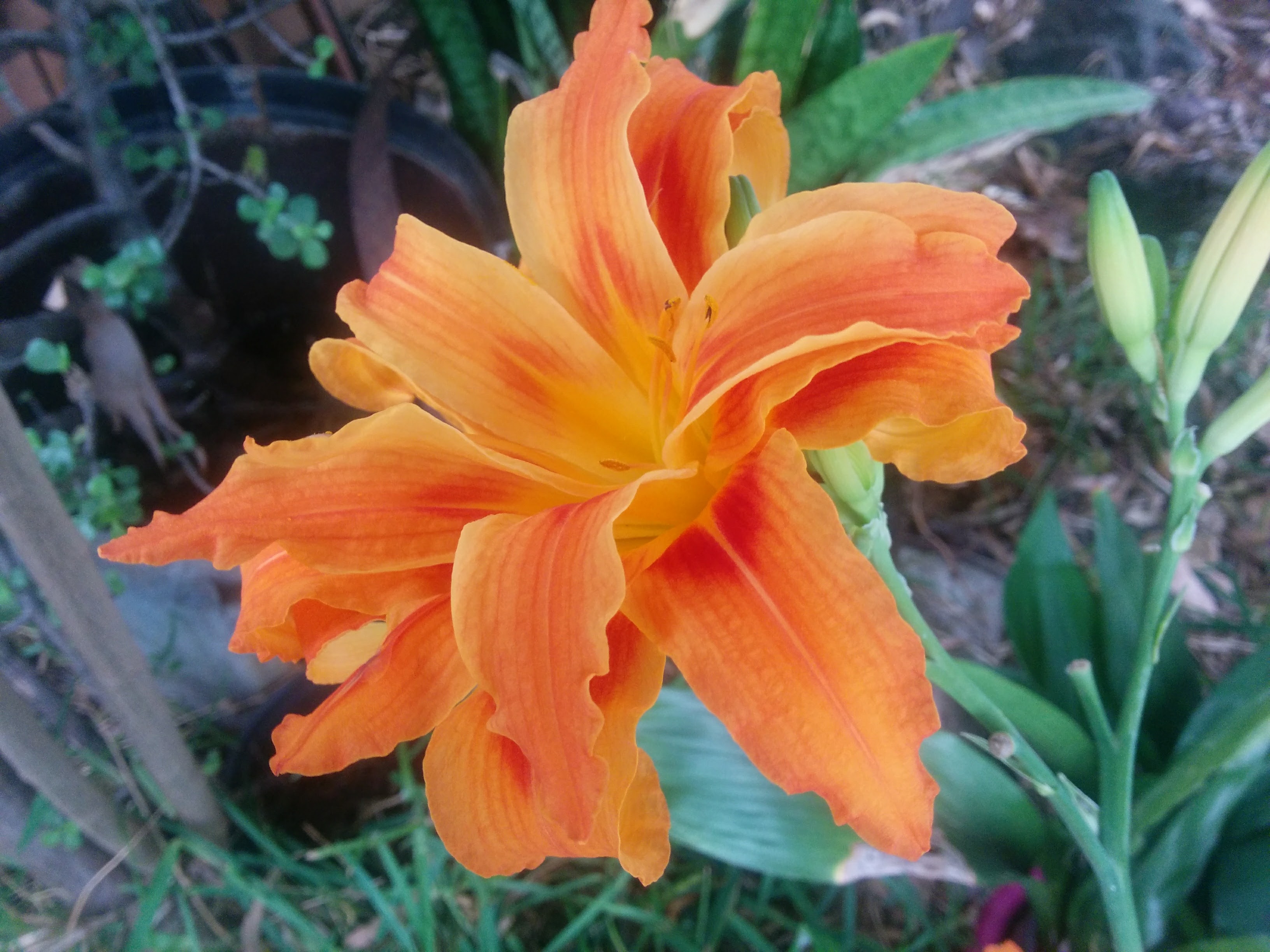
Although each flower lasts only one day, there are many buds on each stalk and multiple stalks on each plant. The buds open in series, so a single plant will continue to bloom for 2 weeks or more. The Kwanso daylily is easy to grow.
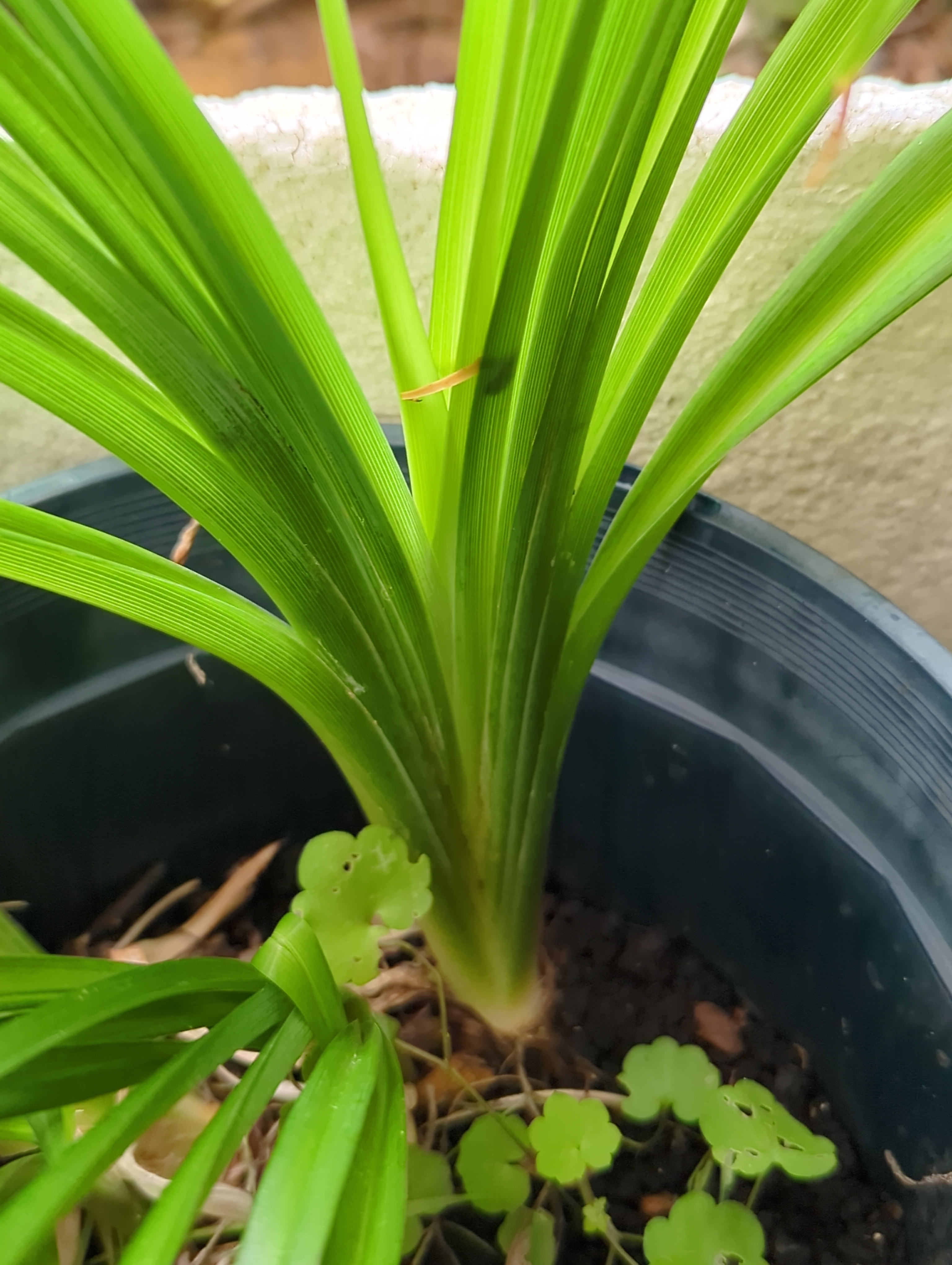
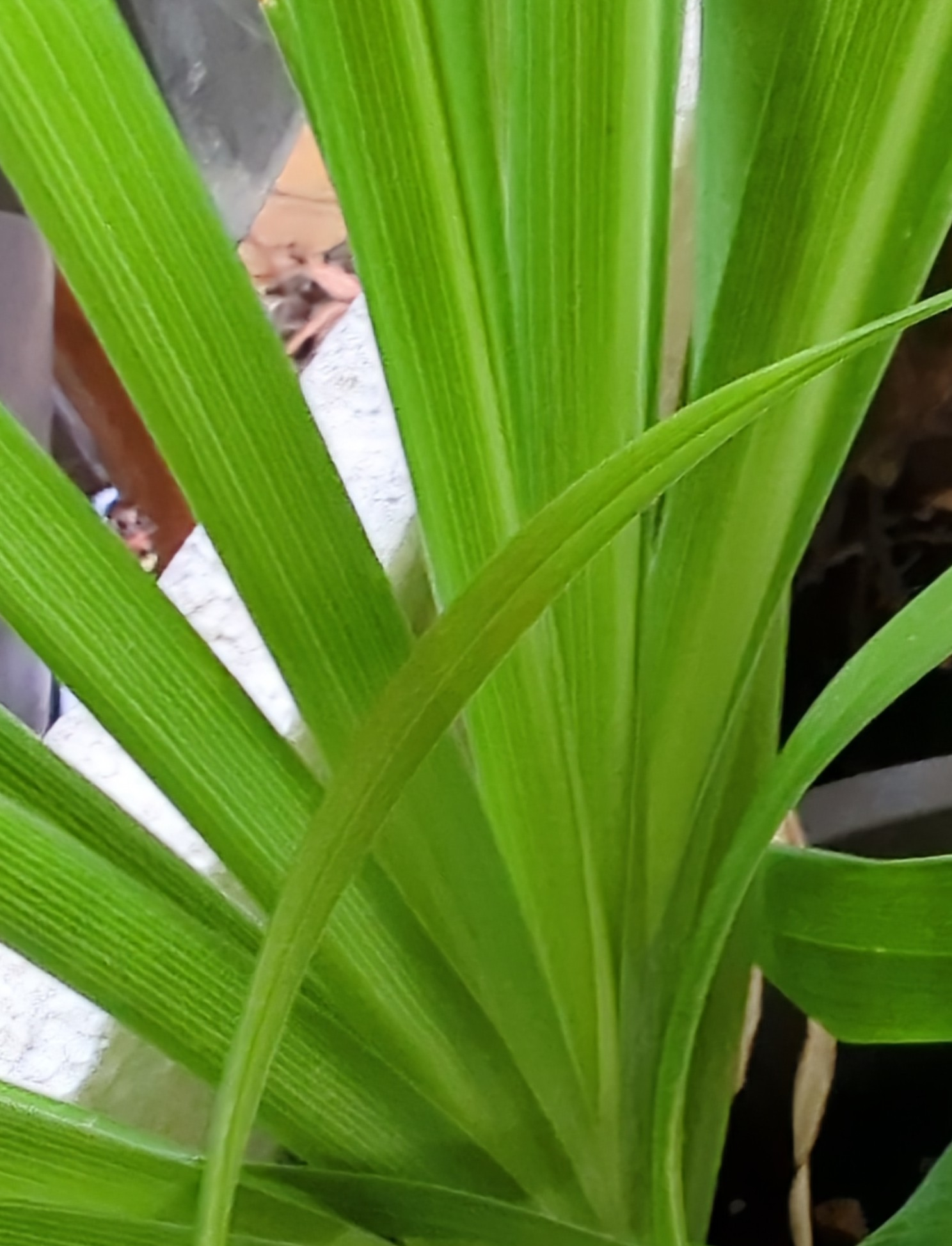
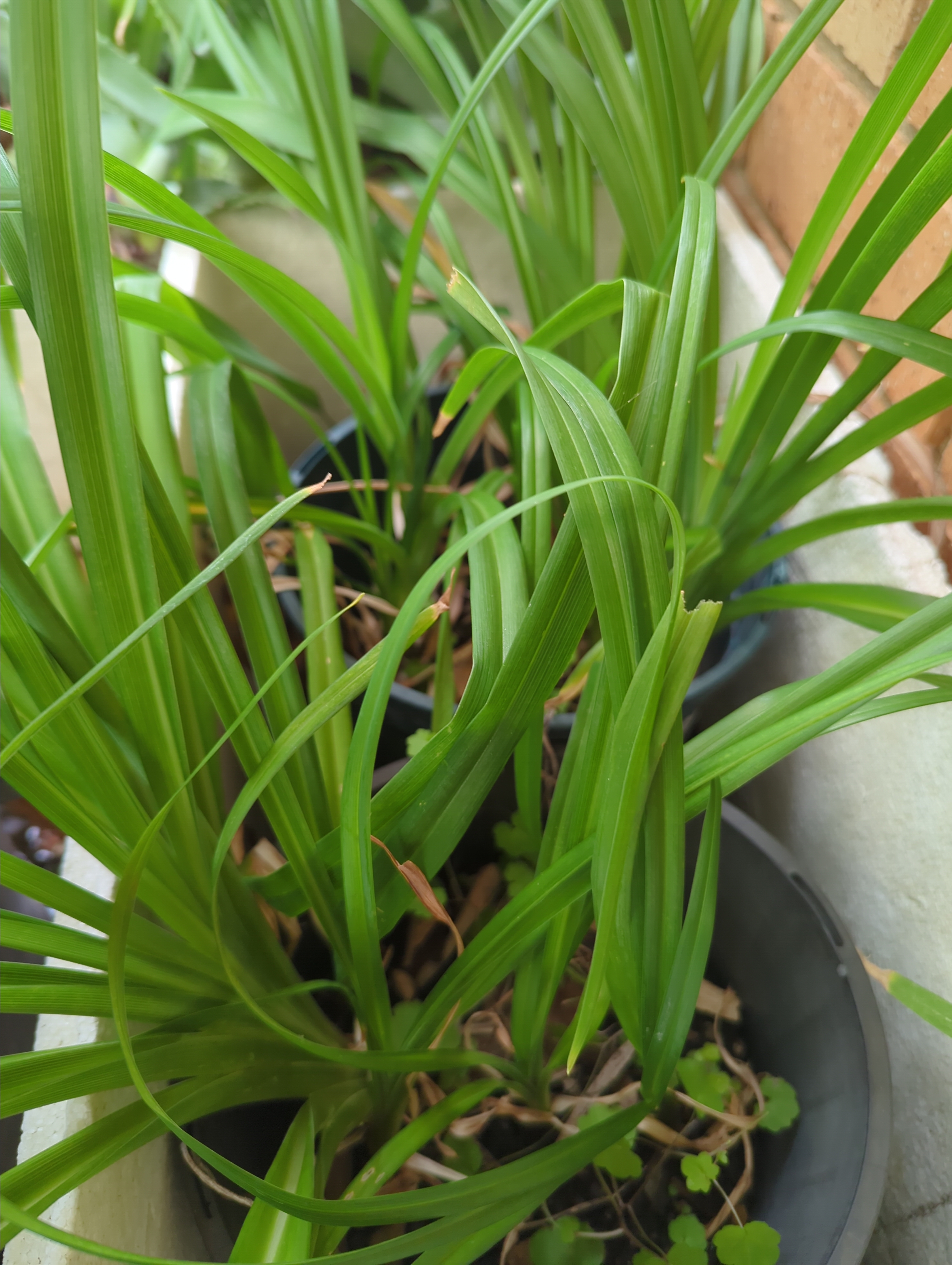
The arching leaves arise from the base of the plant and are strap-like, long, linear lanceolate leaves and grouped into opposite fans. The crown is the small part between the leaves and the roots. This can be seen in the image above.
Detail of the texture of the leaves can be seen in the image below.
The Kwanso daylily grows in clumps and can reach heights of about 90–100 cm, with a spread of 60- 91 cms.
The plant grows from horizontal underground rhizomes, that store nutrients and water. These have tuberous roots that can spread laterally into dense mats.
The tuberous roots cannot generate a new plant independently without a portion of the crown or rhizome. New shoots and roots are generated at the nodes. The flowering scapes or stems arise from the rhizomes.
The image below shows the plant with the tall scape with flowers and buds that are arranged in a spiral pattern around the leafless scape.
Bud development is dependant on full sun for 6-8 hours, adequate water during bud formation, and good fertile soil amended with compost.
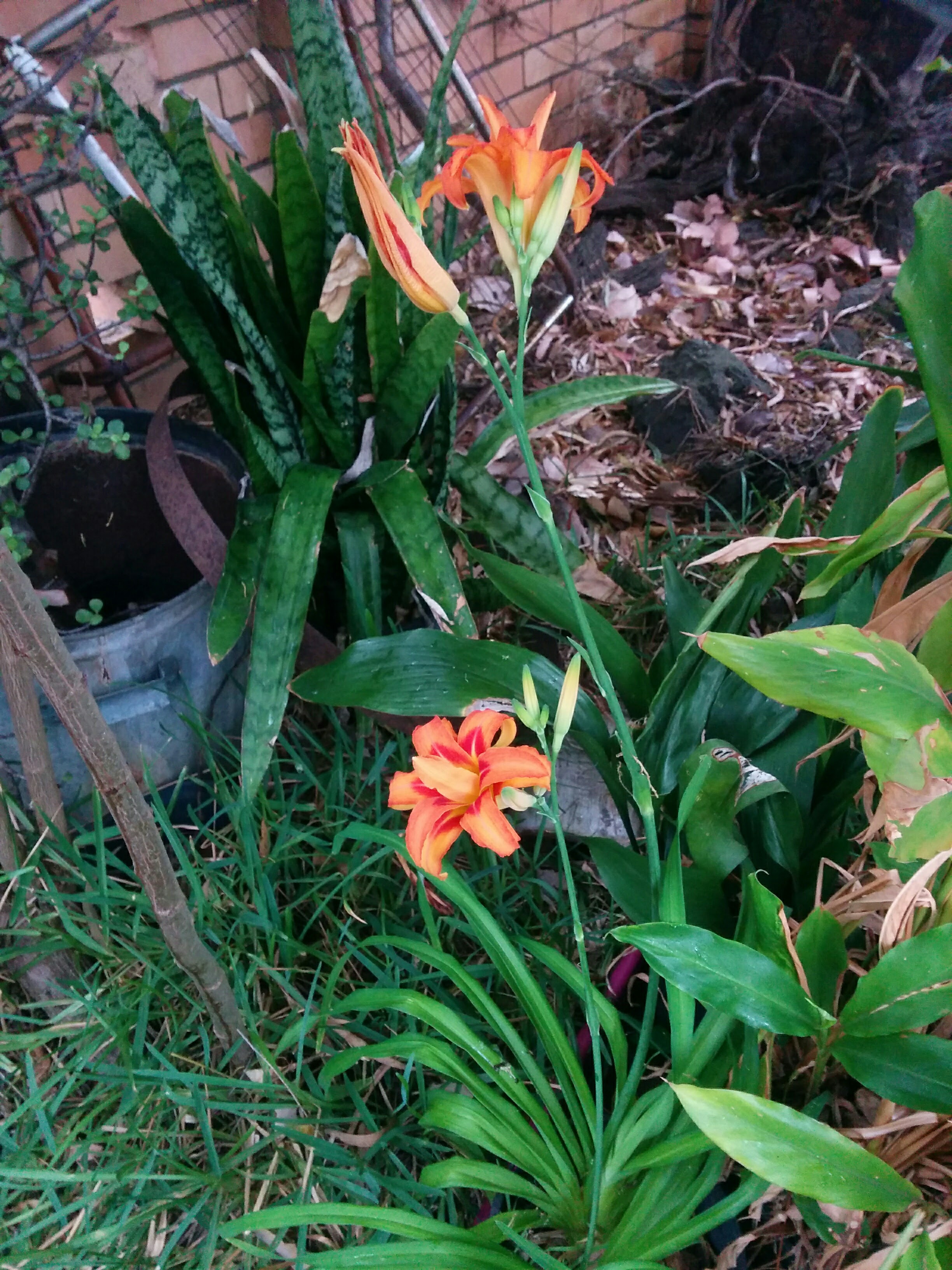
Each bud is positioned at a node—where the bracts (small, leaf-like structures) attach to the scape—and grows from the axil of a bract.
The growth pattern of the Kwanso daylily is one of indeterminate inflorescence. That is, the first buds form at the top of the scape, and as lower buds open and fade, the plant continues to produce new buds higher up. So the scape can grow taller during the growing phase.
In optimal conditions the plant can produce 30 or more buds per scape, creating an ongoing flowering period
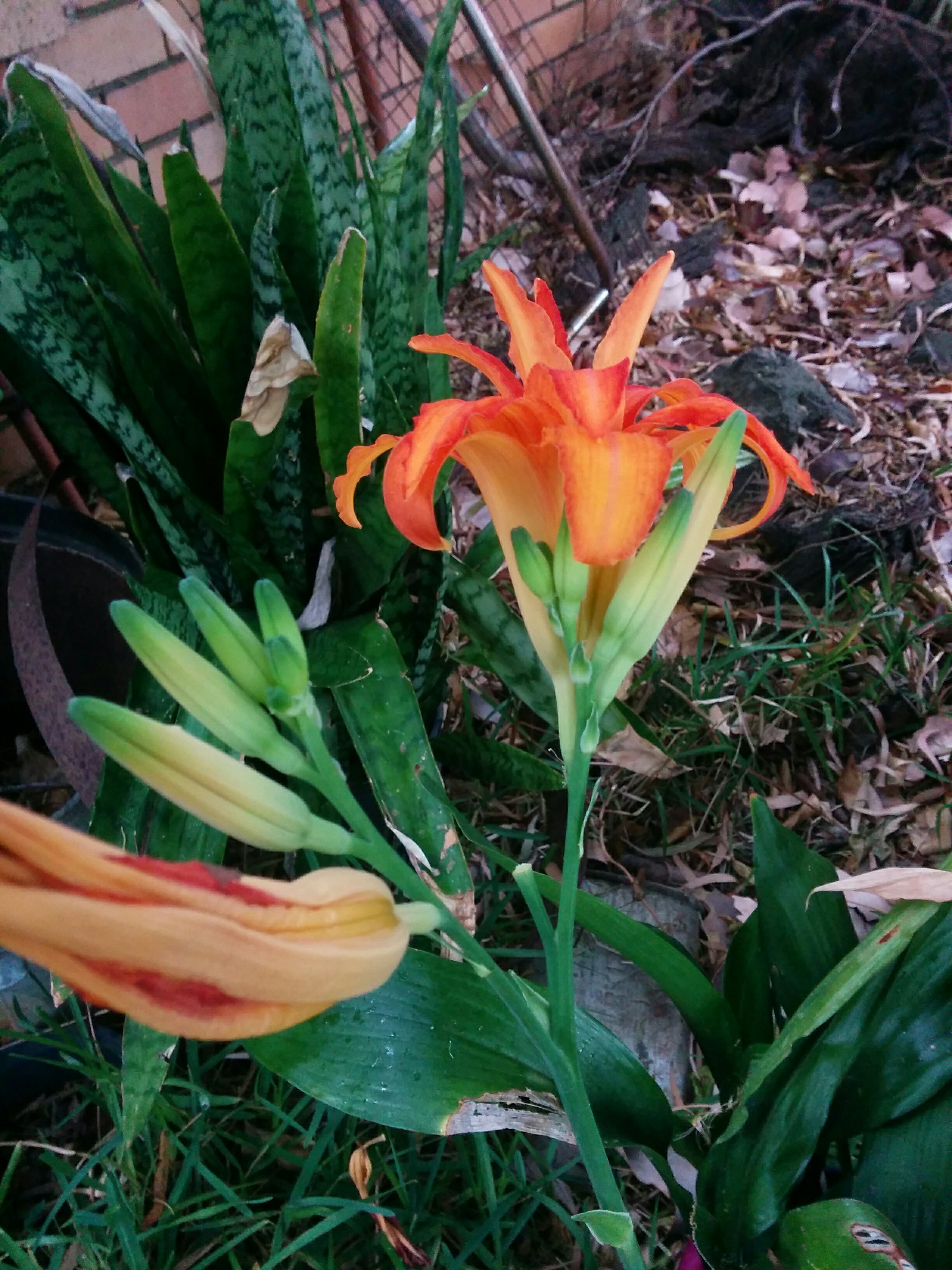
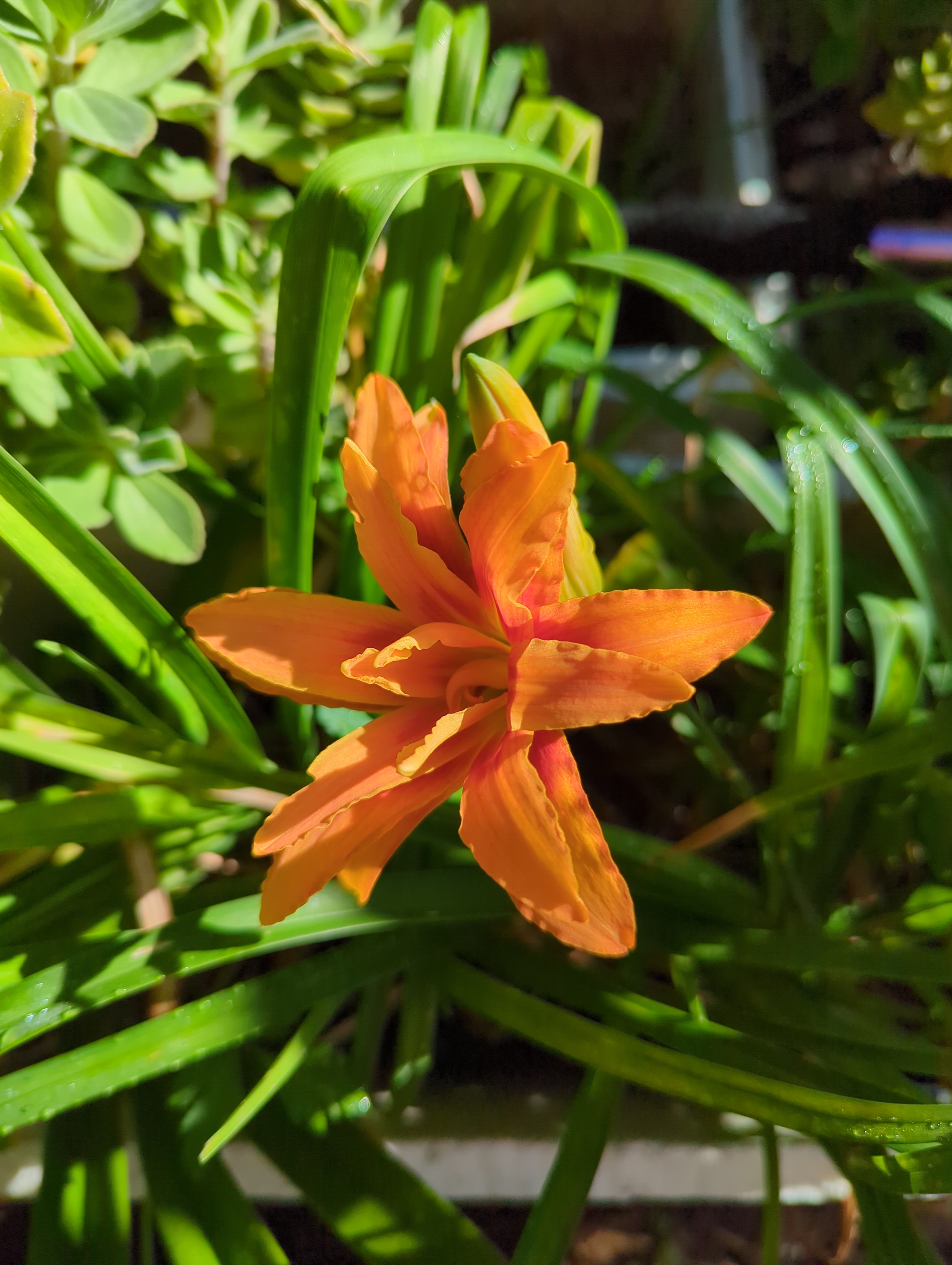
Kwanso is a triploid daylily known for its fully double blooms with three sets of tepals (petals). The flowers are 5–12 cm wide, orange-red, with a pale central line on each of 27 overlapping tepals forming a densely layered flower.
Daylilies usually have six stamens, Kwanso daylily may have no functional stamens visible, as they are modified into petal-like structures called petaloid stamens. This creates the appearance of a lush layered flower with beautiful frilled edges to the tepals along with a burgandy in the throat of the bloom.
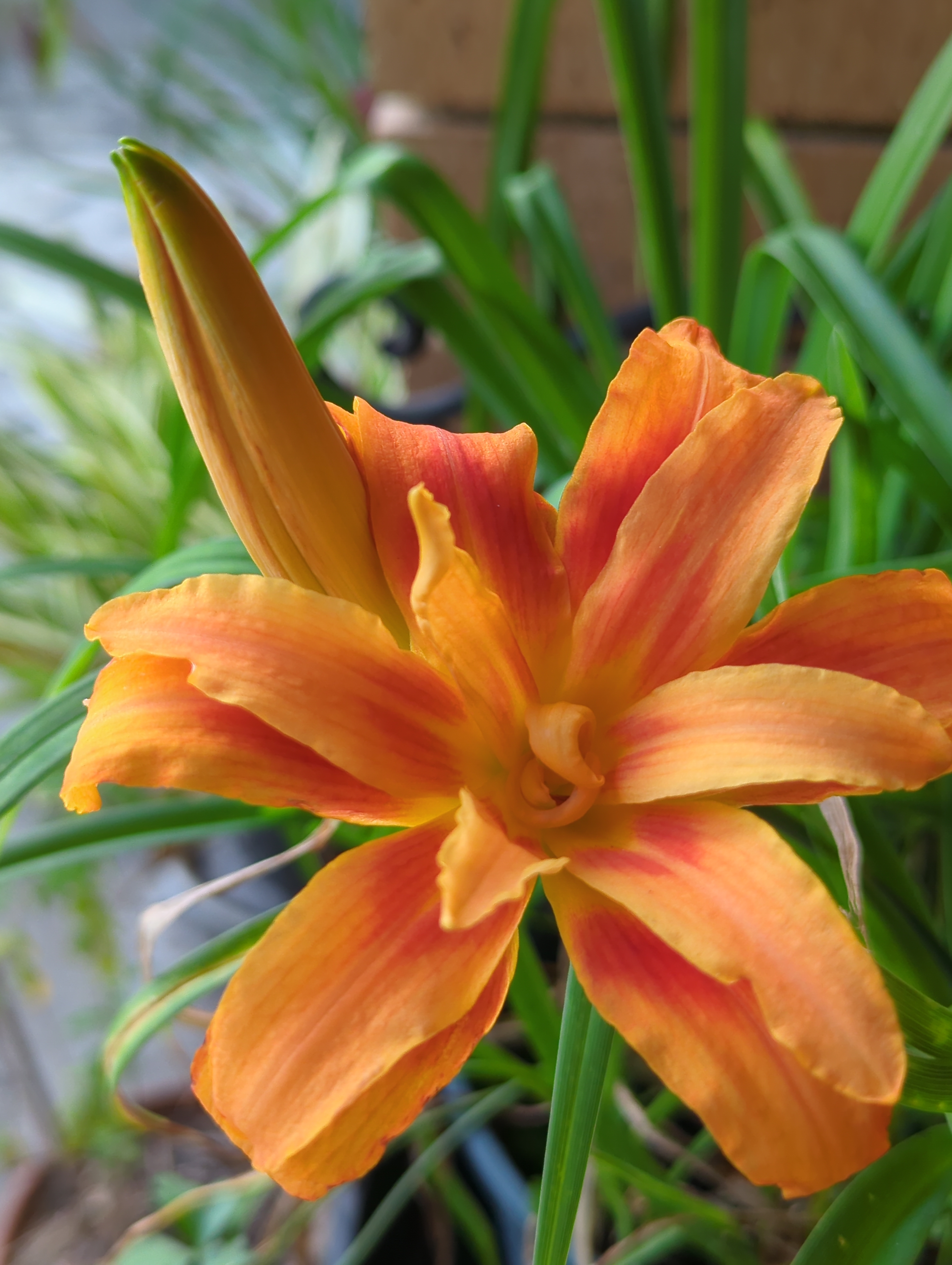
In the image below the petaloid stamens can be seen in more detail and are located inside the normal petal whorl. This happens as a result of Kwanso, a triploid daylily, having 3 sets of chromosomes which create the larger number of petals and the development of petaloid stamens.
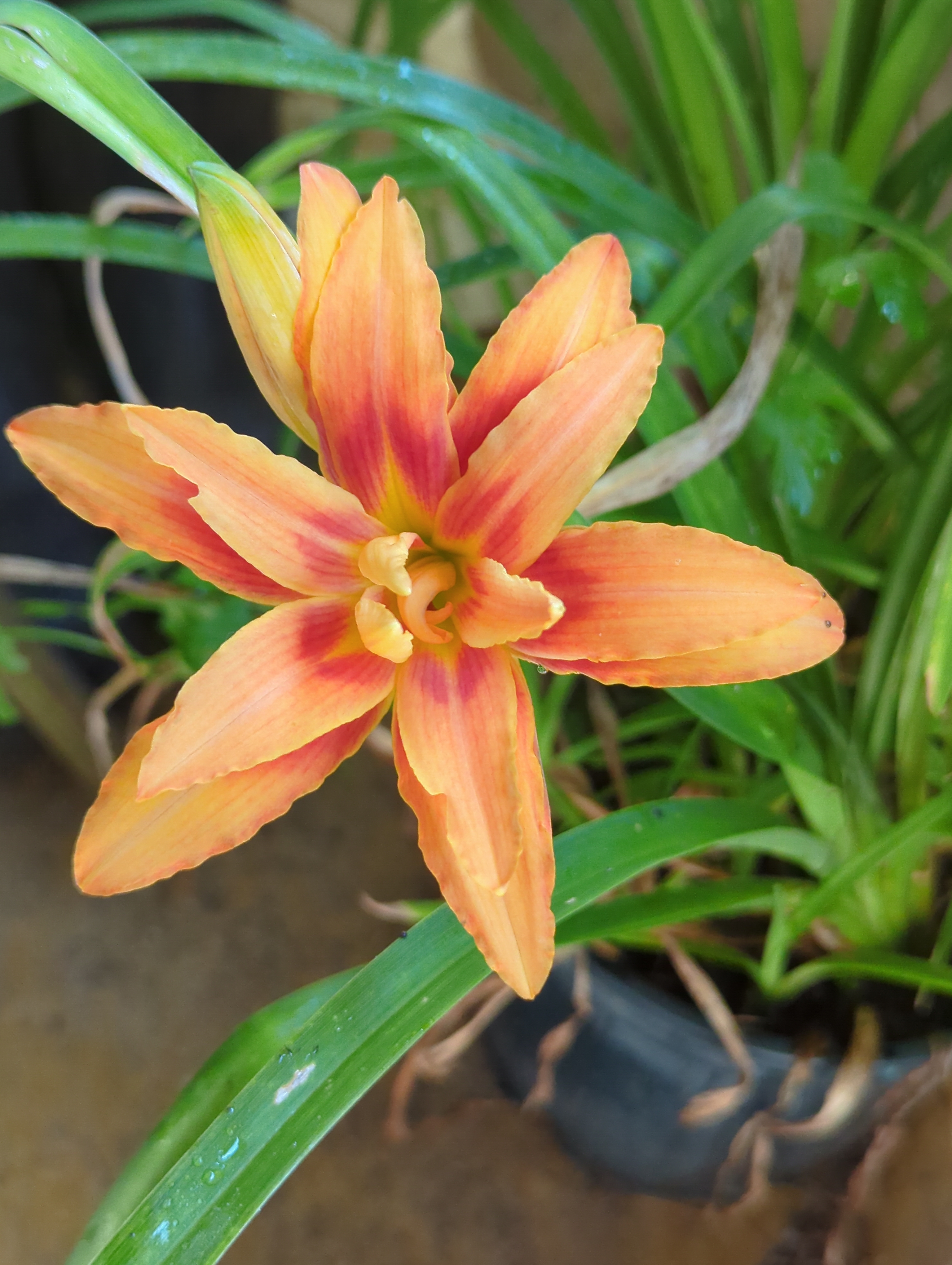
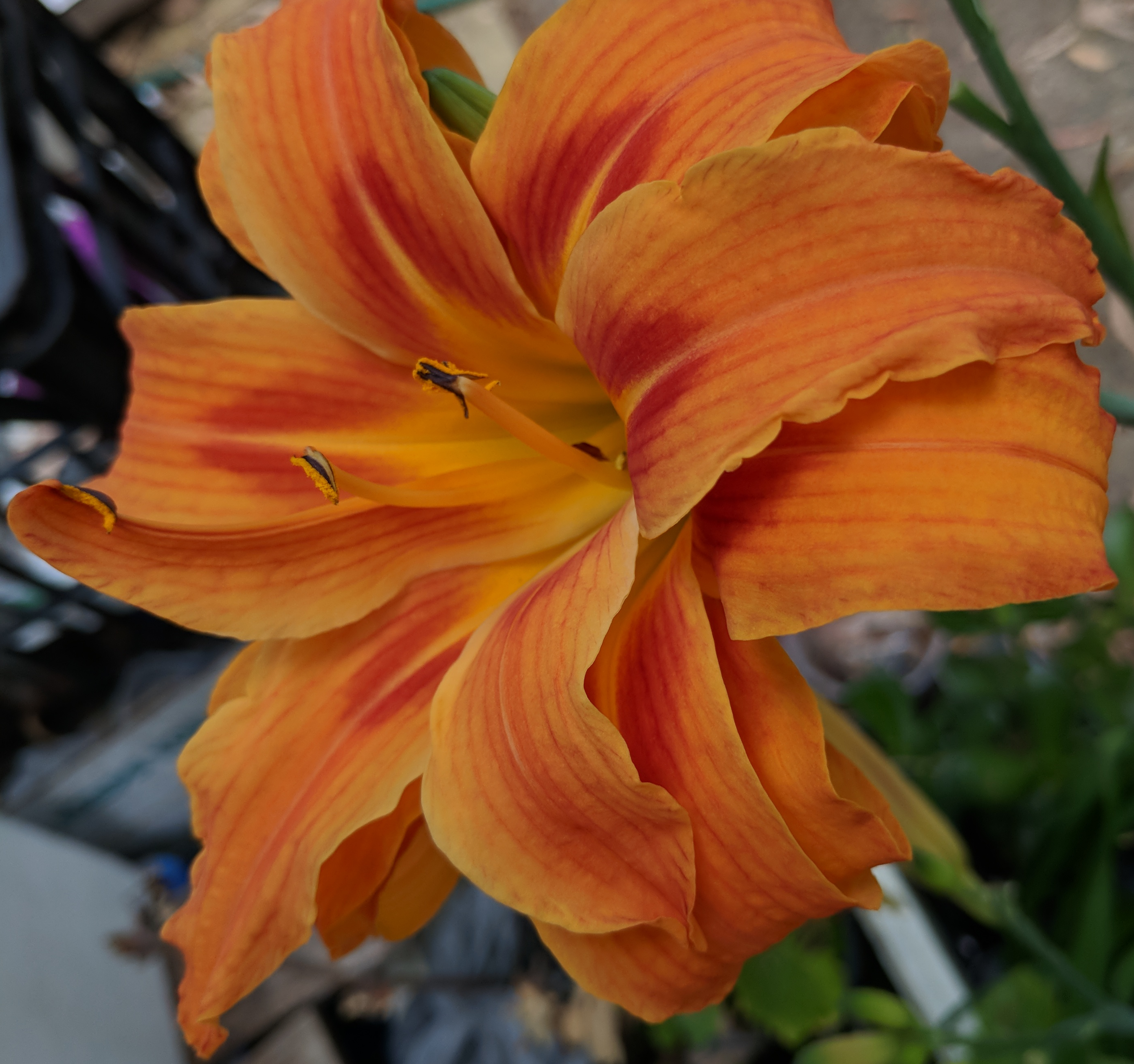
Occasionally some flower develops with stamens but the flower is infertile and does not produced seeds.
In the image below you can see a flower with stamens rather than modified stamens. It is still beautifully dramatic in colour and form with a touch of surprise.
Cultivation:
Site and Soil:
Select a site in full sun to partial shade. It does well in both sunny and areas of light shade but flowers more prolifically with 6-8 hours of sunlight.
The soil should be well-drained, fertile soil with a pH of 6.0 to 7.0. Dig in some compost to enrich the soil structure.
The Kwanso daylily does well in a range of soils but does not tolerate prolonged wet conditions which will rot the plant.
Kwanso does well in pots as well. Use a quality potting mix and with some perlite to allow good drainage. Plants, once established can be left to their own devices and environmental moisture and will only need attention during periods of extreme weather. Here in Sydney with our 40C+ days in summer I have situated my pots under white shade cloth which reflects sunlight and heat, helping to keep plants cooler. It diffuses light without significantly altering the light spectrum, making it ideal for heat-sensitive plants.
Planting:
Plant in early spring or autumn. Place the crown (where the roots meet the foliage 2.5 – 5.0 cm below the soil surface, spacing the plants 30 – 45 cm apart to allow enough room for the plant to spread.
Kwanso daylily will spread by way of the rhisomes under the soil surface and new plantlets will arise. As it is a clumping plant, these can be divided after 2-3 years to establish more plants across your garden.
Water:
Keep soil consistently moist when Kwanso is first planted then water during dry spells as the plant requires. Be guided by environmental precipitation of your own particular area during winter. Never allow the plant to get waterlogged .
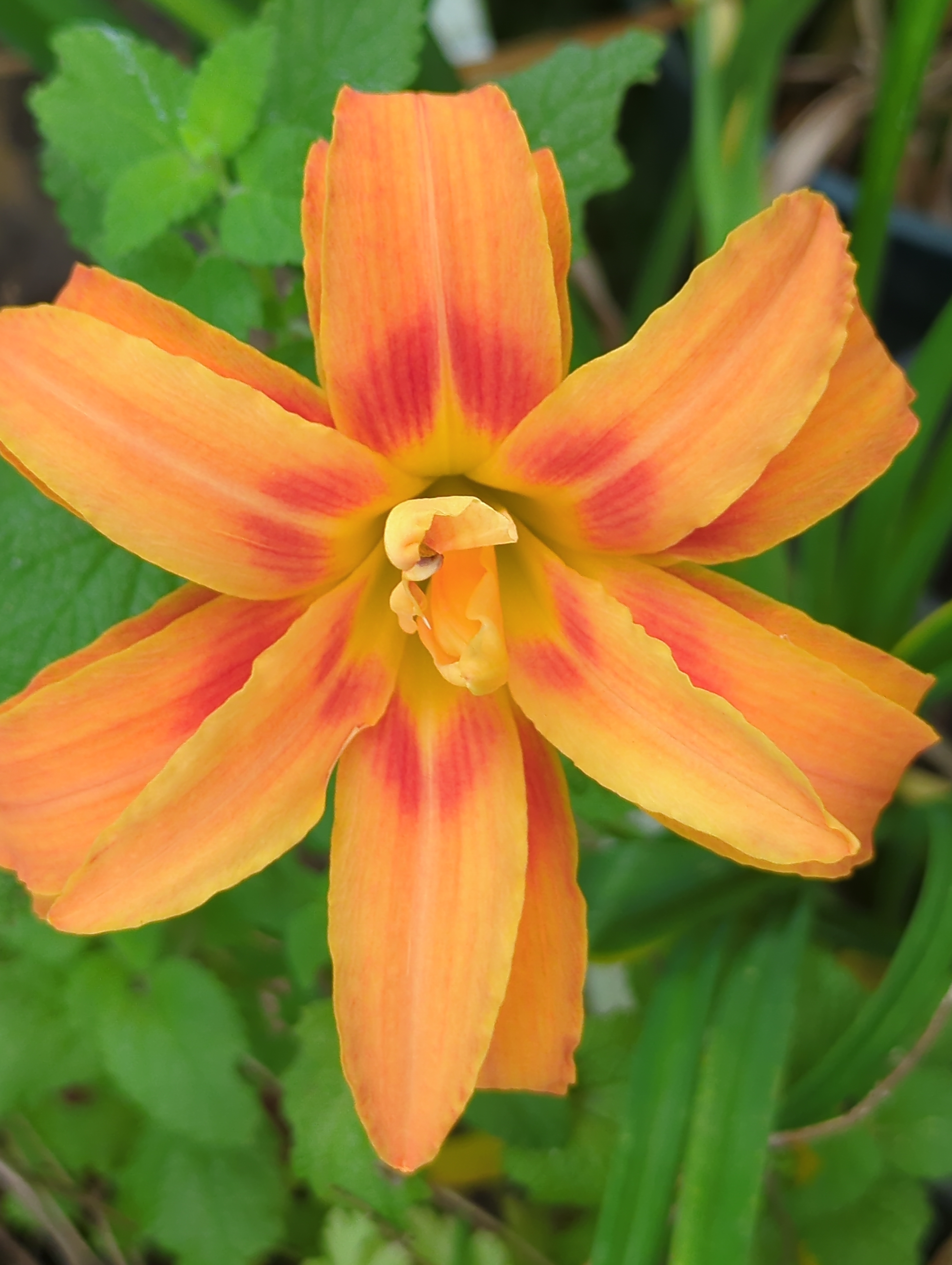
The amazingly beautiful Kwanso daylily will brighten your garden with its brightly painted blooms that pop against the deep green of the strappy leaves.
Kwanso daylilies are incredibly hardy and drought tolerant, growing in any soil type but under optimal conditions will bloom and bloom again. Do look out for them at your local Garden Nursery and plant in the garden or in pots and be surprised by their stunning flowers. They are a plant that just keeps giving. I am always grabbing the camera because the flowers are so special.
 The Grantham Gardener