
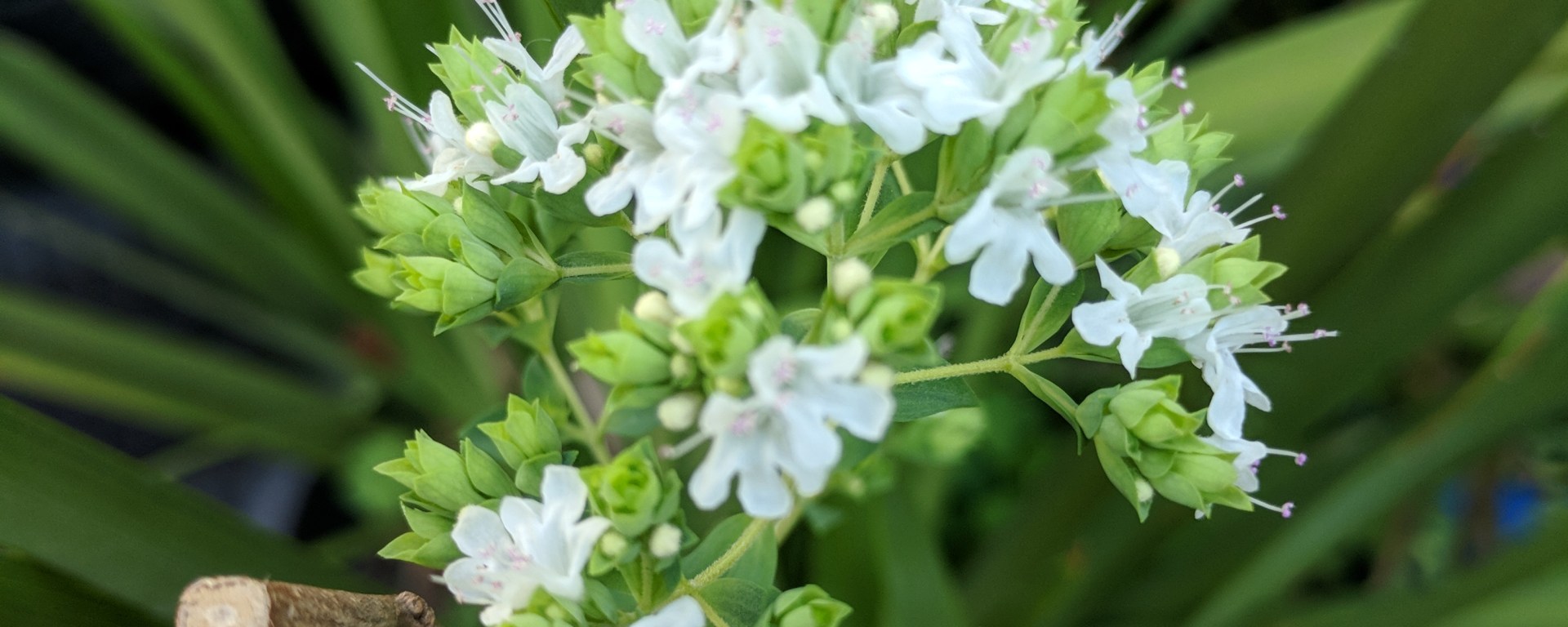
We are now in autumn and this is the first Planting Guide of the season.
The following is a list of vegetables and herbs that you can plant in March in Sydney, a temperate zone. Just click on the name for the growing guide for each vegetable:
- Amaranth
- Beans – broad beans, fava beans
- Beetroot
- Broccoli transplant seedlings
- Brussels sprouts
- Cabbage
- Carrot
- Daikon
- Endive
- Kale
- Kohlrabi
- Leeks
- Lettuce
- Mizuna
- Mustard greens
- Parsley
- Radish
- Rocket
- Shallots
- Silverbeet
- Spinach
- Turnip
Plant of the Month – Oregano – (Queen of herbs)

Oregano is a flowering herb in the mint family, Lamiaceae. It was native to the Mediterranean region, but is now widely grown in temperate climates across the world.
With over 40 species, Oregano is highly aromatic and comes in a varying strengths of flavour, aroma and light to dark green leaves and is beloved herb in the culinary and medicinal world.
Its hardiness and the beauty of its leaves and flowers make it both a useful herb and also an attractive ornamental plant that attracts pollinators and butterflies to the garden. Grown in garden beds or in pots on sunny patios it will last for years if grown and maintained carefully but will survive even some neglect as mine has over the Covid years.
Oregano is a herbaceous perennial, that grows from rhizomes. Its branches when mature, are woody and the plants grow to 90 cm tall and and 50 cm wide . This is why the garden planting site should allow plenty of space for both sunshine and air to get the best oregano.
The stems which are are laden with aromatic rounded to ovate leaves (1- 1.5 cm long) that grow along it in opposite pairs. In some species the leaves are entire but some, like Greek oregano have slightly toothed margins. The leaves can be golden, olive-green to dark green in colour with smooth or textured surface depending on the species.

Greek oregano (Origanum vulgare hirtum) that has a peppery bite and a minty aroma can be distinguished from other varieties by the hairy underside of is leaves which also have hairy edges as can be seen in the image below. (click on the image for greater detail) The veins are also prominent on the underside of the leaves. it is considered the best all-purpose culinary subspecies

Oregano flowers are quite dainty and beautiful but if you are growing the plant for culinary purposes they should be picked out as they can change the flavour of the leaves and make them bitter. You may just grow some specifically for the flowers to attract pollinators for your vegetable or flower garden.
Oregano flowers have tiny, two-lipped, pinkish-purple or white flowers. The upper lip has two lobes while the lower lip has three lobes. Each has four protruding stamens. The flower consists of four stamens, two carpels, five petals and five sepals with calyx-teeth.
The leafy purple-toned bracts come into bloom where the leaf joins the branch stem or in terminal corymb-like spikes arising from above the foliage in summer. A corymb is a raceme or cluster in which the stalks that support the lower flowers are longer than those of the upper flowers so that the inflorescence has a flattened appearance as in the the image below.

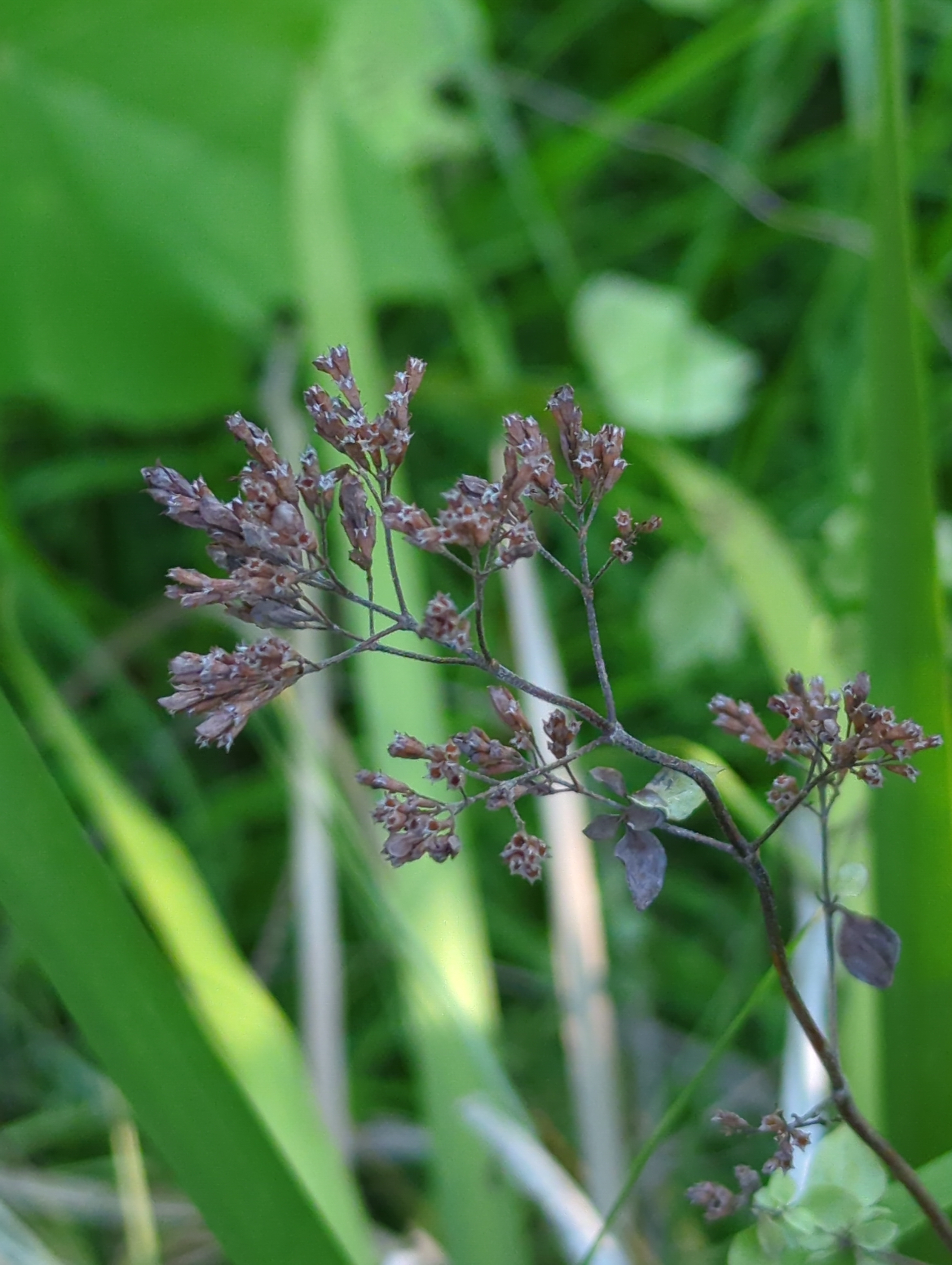
For the ripeness the flowers turn into plain brown nut fruits (so-called schizocarps) as in the image below.
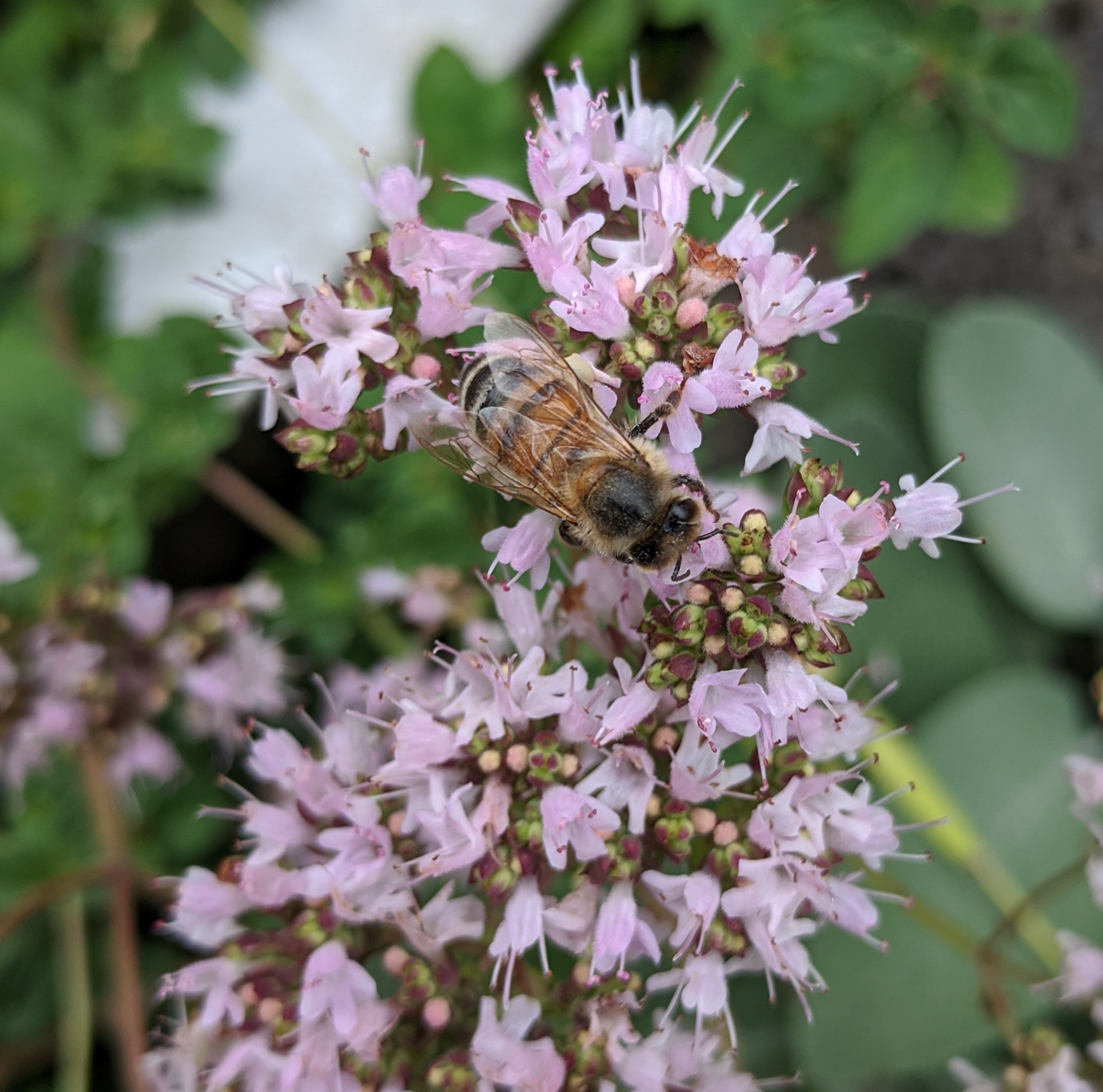
Originum Vulgare has purple or pink flowers and is a perennial growing to 60cm. It flowers profusely with purple or pink flowers,

The gorgeous flowers are loved by the pollinators, bees and butterflies that are attracted to it.
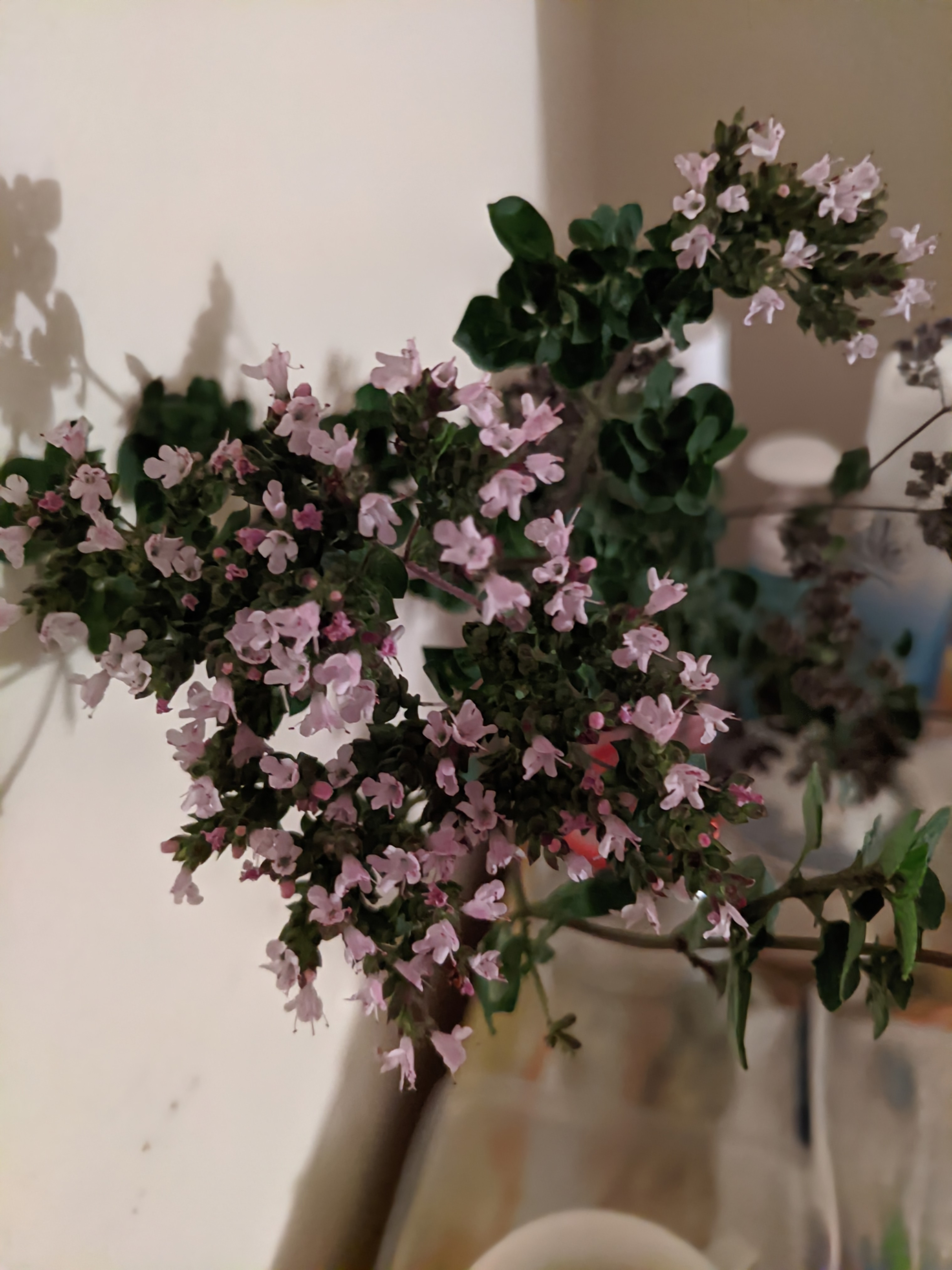
Cuttings can also be brought indoors and placed in a vase to be enjoyed.
Another variety, Originum ‘Aureum’ or golden oregano in the image below grows 15-30 cm tall and it spreads to a width of 45 cm.
As with other oregano varieties that have light-coloured or variegated leaves, the golden variety needs protection from harsh afternoon sunlight. I have grown mine in the sheltered area under a tree that allows it early morning sun and afternoon dappled shade. The golden colour is very pretty as are the pink flowers it produces.

Cultivation:
Planting Site and Soil:
Oregano is easy to grow indoors and outdoors in temperate regions, preferring a hot relatively dry climate with a free draining soil.
Oregano seeds are planted in early spring.
Soil should be within a pH range between 6.0 (mildly acidic) and 8.0 (strongly alkaline). It prefers a hot, relatively dry climate, but does well in other environments
When the seedlings show the first true leaves pick out all but healthiest spacing the plants 30 cm apart in fairly dry soil in full sun.
Oregano can also be planted in pots using a good potting mix for herbs. A drainage layer (lava grit or expanded clay balls) should be incorporated in the flower pots so that the water can drain off easily. Do not put pots on saucers but rather use risers to allow the water to drain away.
Sow on the surface and press into the moist soil.
Watering:
As a native of the southern Mediterranean where the conditions are hot and dry for long periods, the plant does not need much water. It usually survives short droughts.
Water once deeply and then allow the plant to dry out between waterings. Consider the climatic conditions and do not over water or if in pots, do not allow to become waterlogged.
Oregano is a tough perennial which can grow in poor soils and once established requires little maintenance.
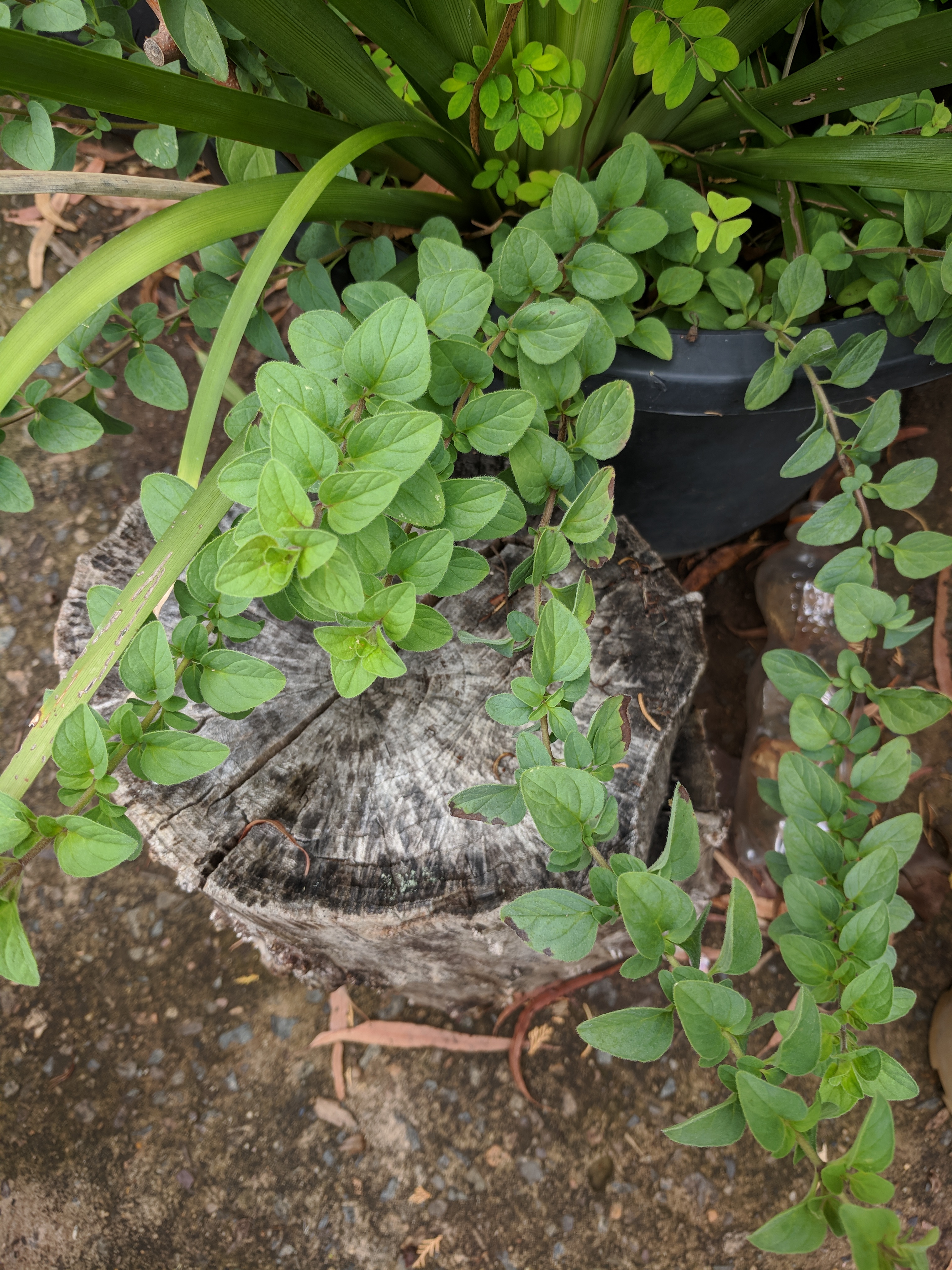
In cooking, the correct ratio is 1 tablespoon of fresh herbs to 1 teaspoon of dried herbs. The character of fresh oregano is peppery and citrus. It shines in salads, marinades, and dishes where you want a lighter and brighter herbal touch.
Drying oregano concentrates its essential oils and flavour compounds. As moisture is removed, the intensity of the flavours can become more pronounced, leading to a richer taste.
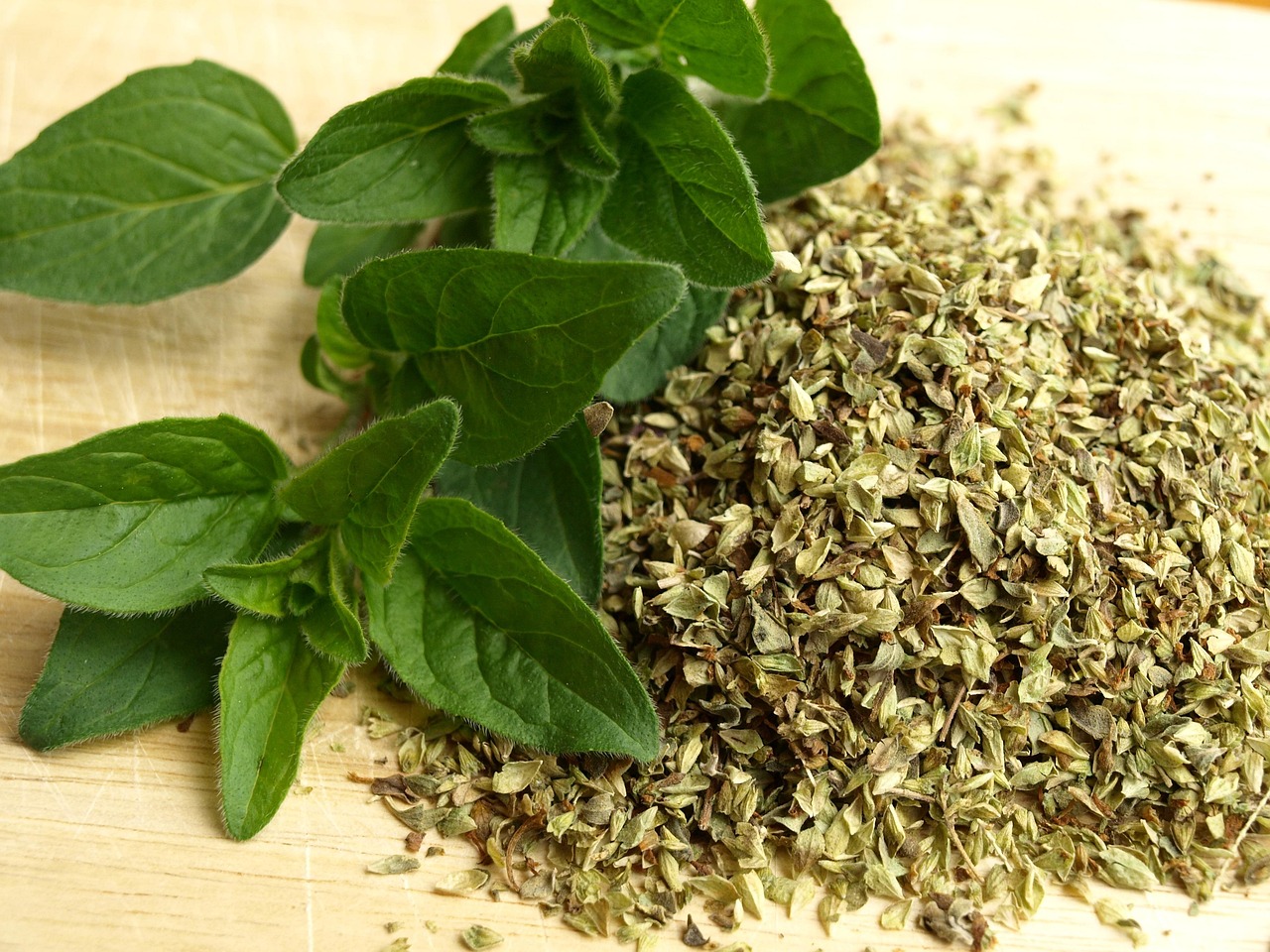
Oregano is best harvested in the morning, just before the plant flowers, as this is when the leaves contain the highest concentration of flavourful oils.
For drying oregano, bundle the stems together and hang them upside down to dry oregano in a dark, dry spot. Place a perforated paper bag around the herbs to catch the bits of leaves as they fall and keep dust off.

I have included some recipes from the archive that use oregano:
Used judiciously you can add oregano to any dish from pizza, sauces and add it to flavour to any meat.
 The Grantham Gardener