
The following is a list of vegetables that you can plant in May in Sydney, a temperate zone (just click on the link for the growing guide for each vegetable):
- Beans – broad beans
- Brussels sprouts seedlings
- Cabbage seedlings
- Carrot
- Cauliflower seedlings
- Garlic
- Kale seedlings
- Kohlrabi
- Leeks seedlings
- Lettuce
- Mizuna
- Mustard greens
- Onion
- Pak Choy
- Parsley
- Peas
- Radish
- Rocket
- Shallots
- Silverbeet
- Snow Peas
- Spinach
- Strawberry
- Turnip
Plant of the Month – Salvia officinalis -(Common Sage)
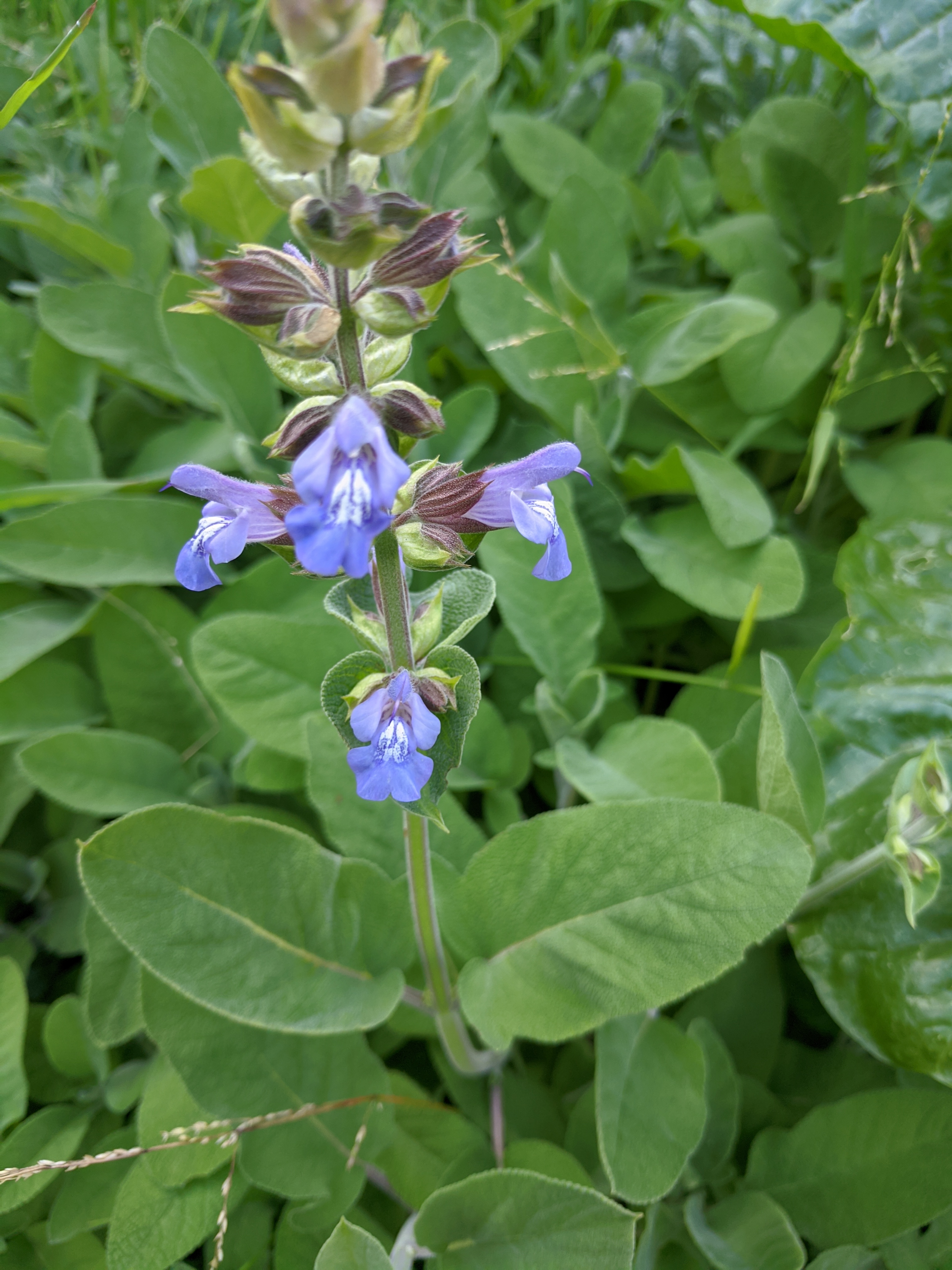
Salvia officinalis or common sage is one of the more than 700 species in the Salvia genus of the mint family Lamiaceae. It is cultivated all over the world and used in cooking, for medicinal purposes, and for its essential oil.
Salvia is derived from the Latin word salvere, meaning “to save,” It was considered a vitally important herb and was used to treat everything from headaches, digestive problems, and sore throats to mental disorders, asthma, and arthritis.
Dried sage has been used to make teas and tisanes to soothe sore throats and the raw leaves used by rubbing and chewing to clean teeth and benefit gum health

Sage is a hardy perennial herb plant that can grow to about 12 to 24 inches tall.
It has squared upright stems covered in short hairs that are branched from the base. These become woody as the plant matures.
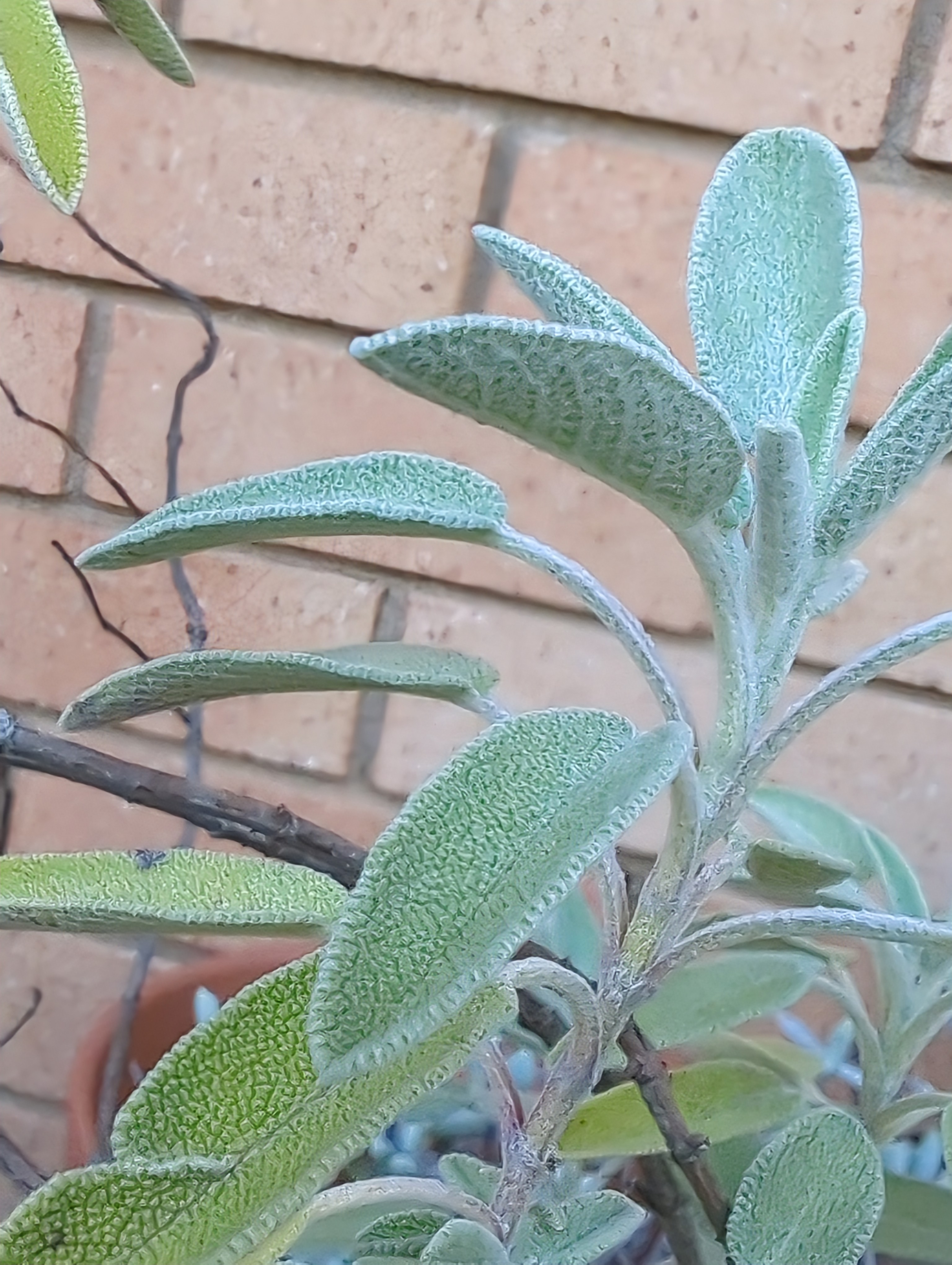
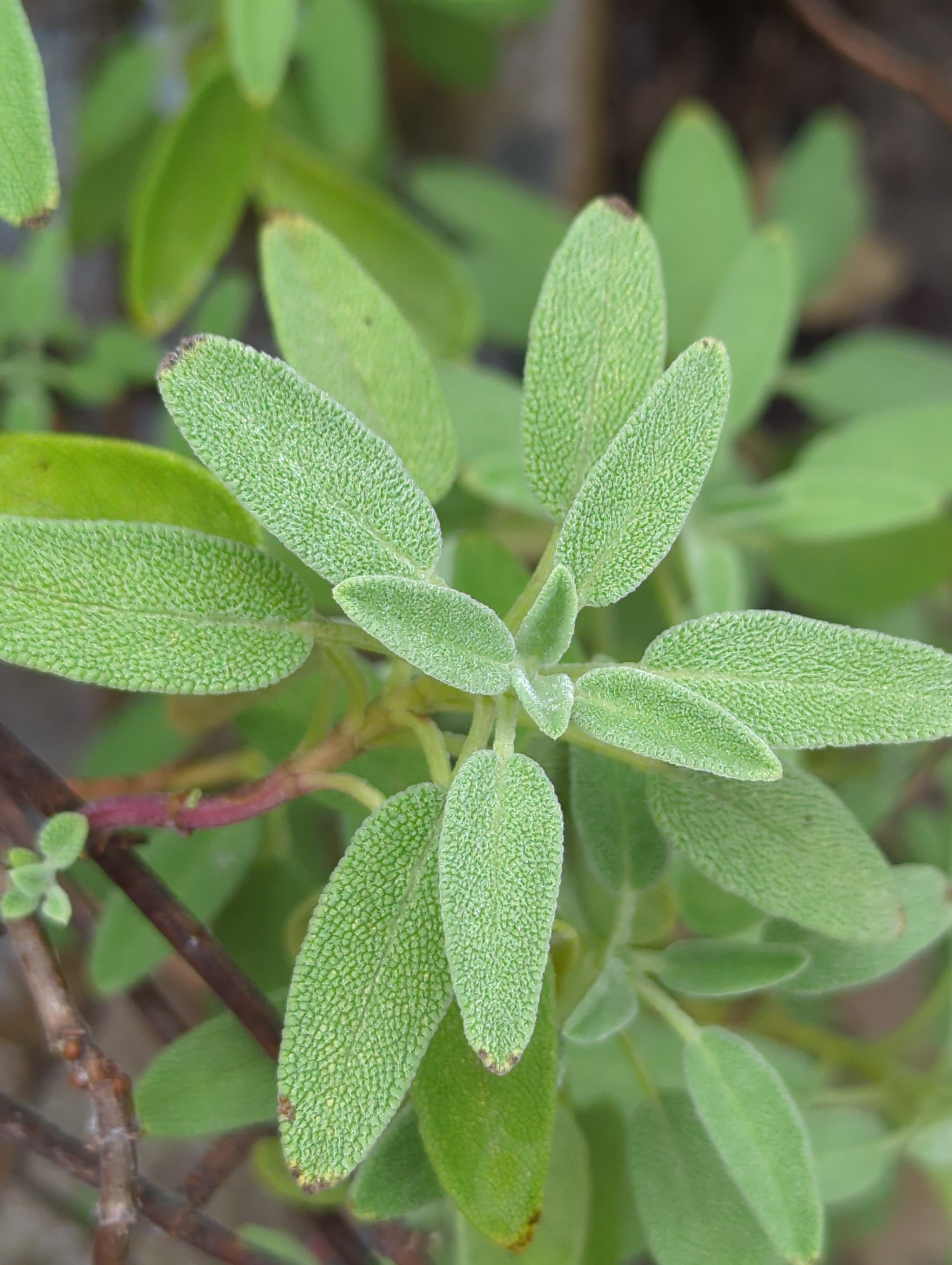
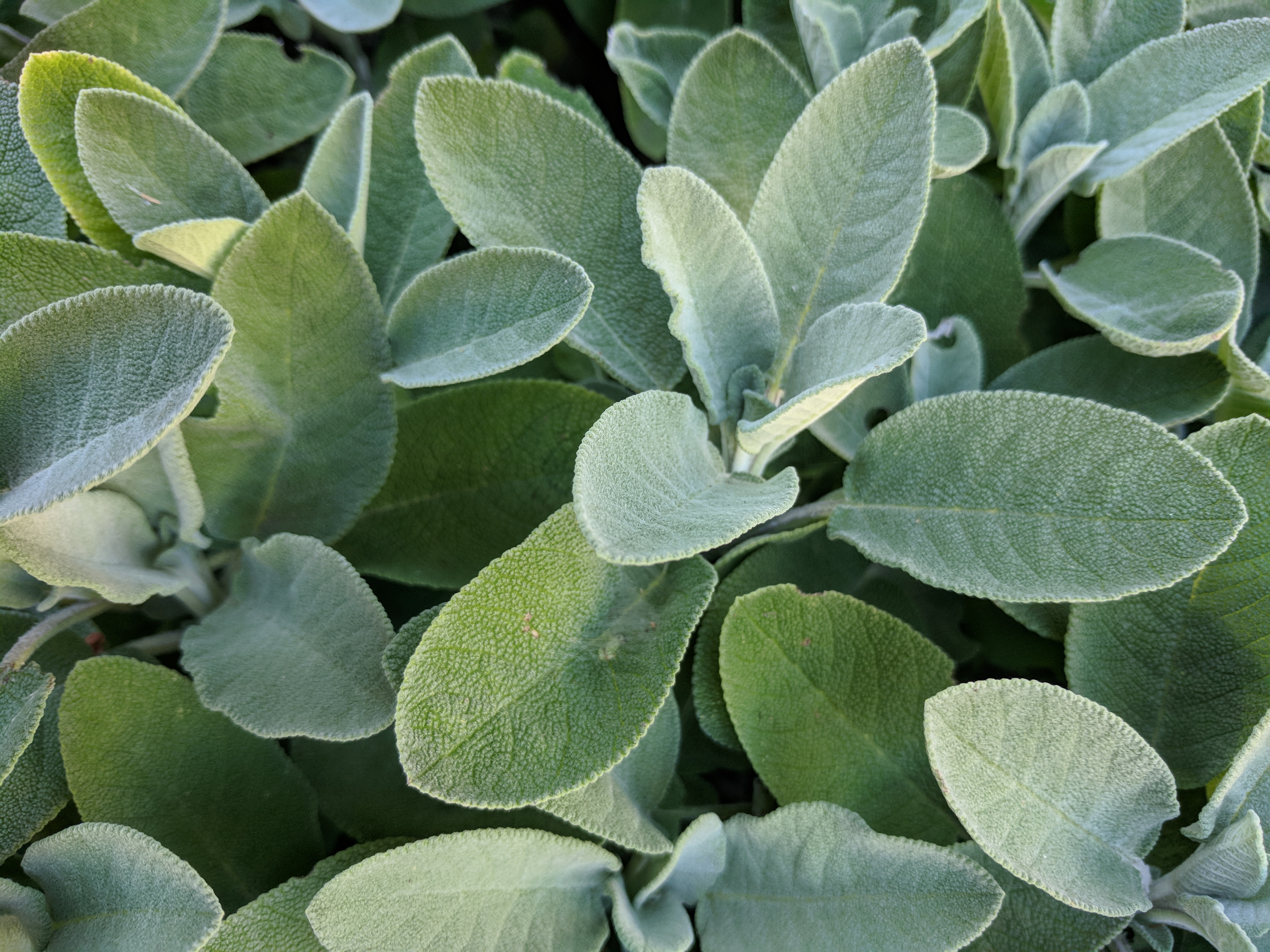
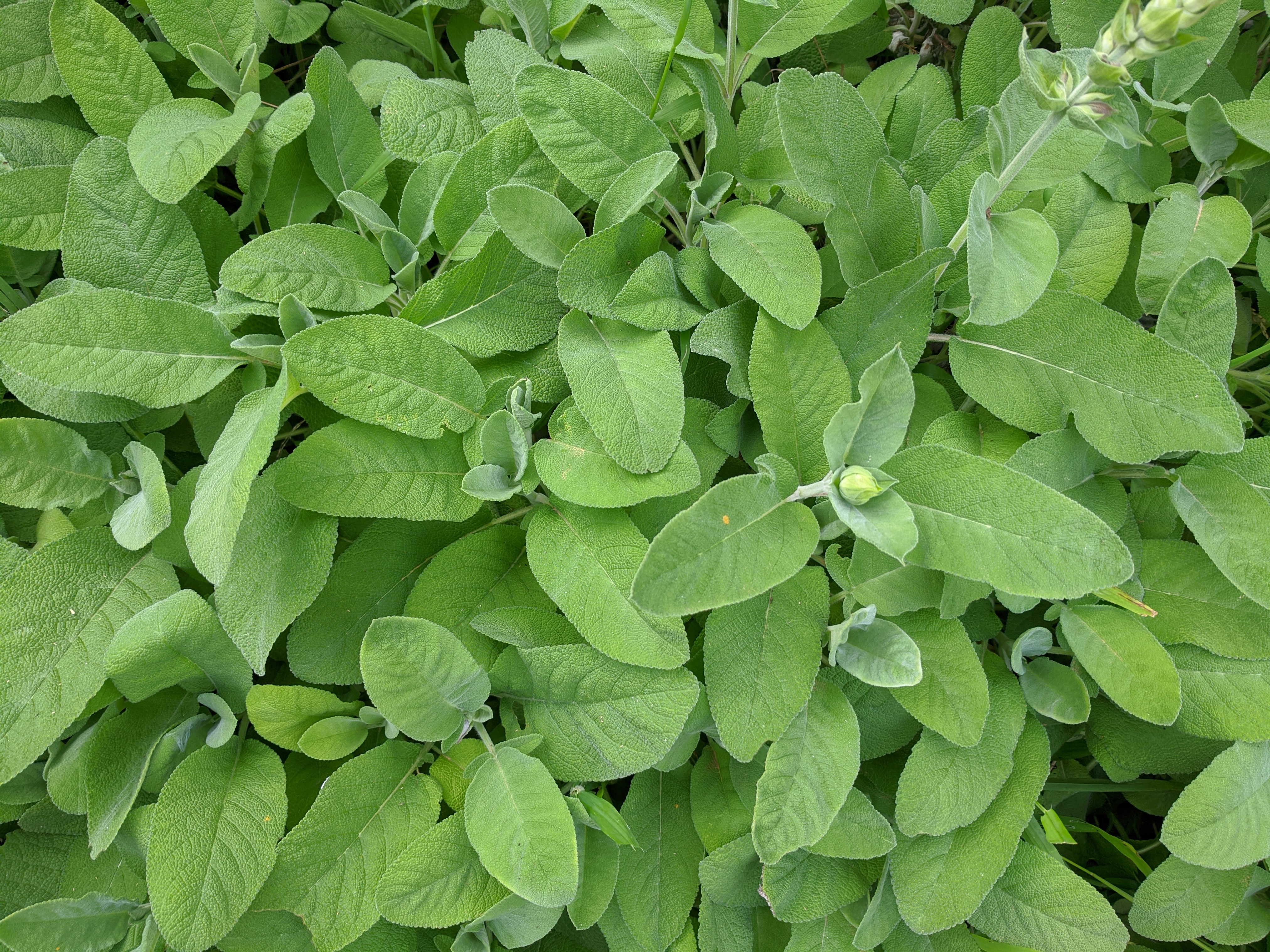
Sage has simple, paired, opposite leaves that are bigger at the the base of the stems and become smaller at the top of the stem. They are pointed, oblong shape and are silvery grey-green in colour, ranging in size up to 65 mm long by 25 mm wide with a crenulate margin (a margin with small rounded teeth)
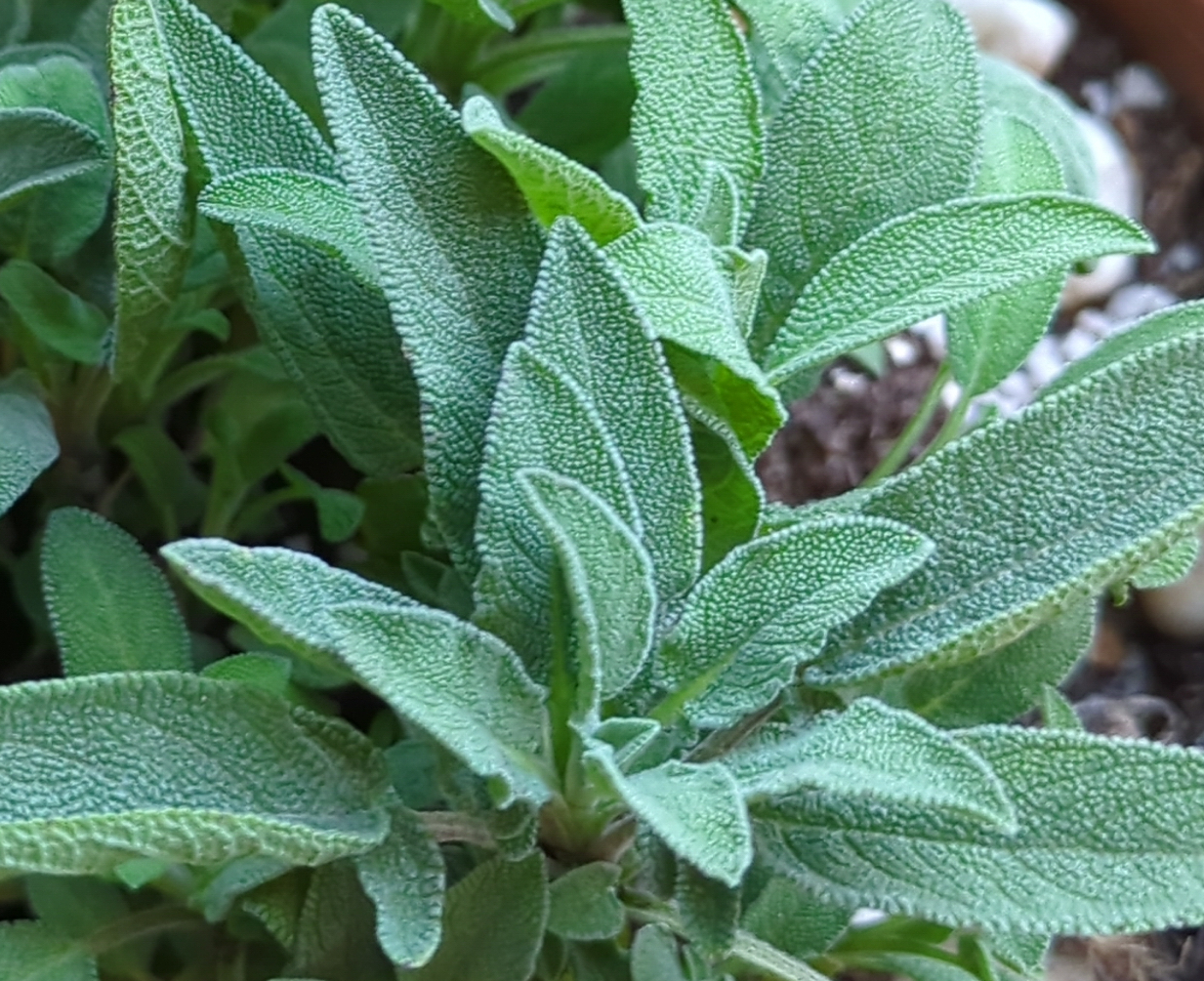
Sage leaves are covered with trichomes, many tiny hairs, that give the leaf a velvety appearance.
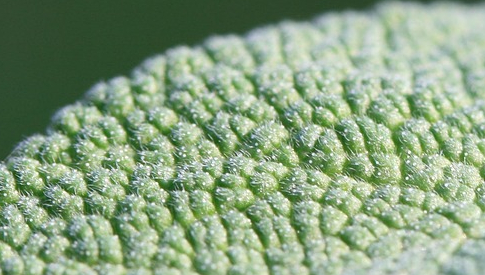
These tiny hairs are believed to reduce water loss. On the upper surface of the leaves the hairs have glands at their base that secrete volatile oils.
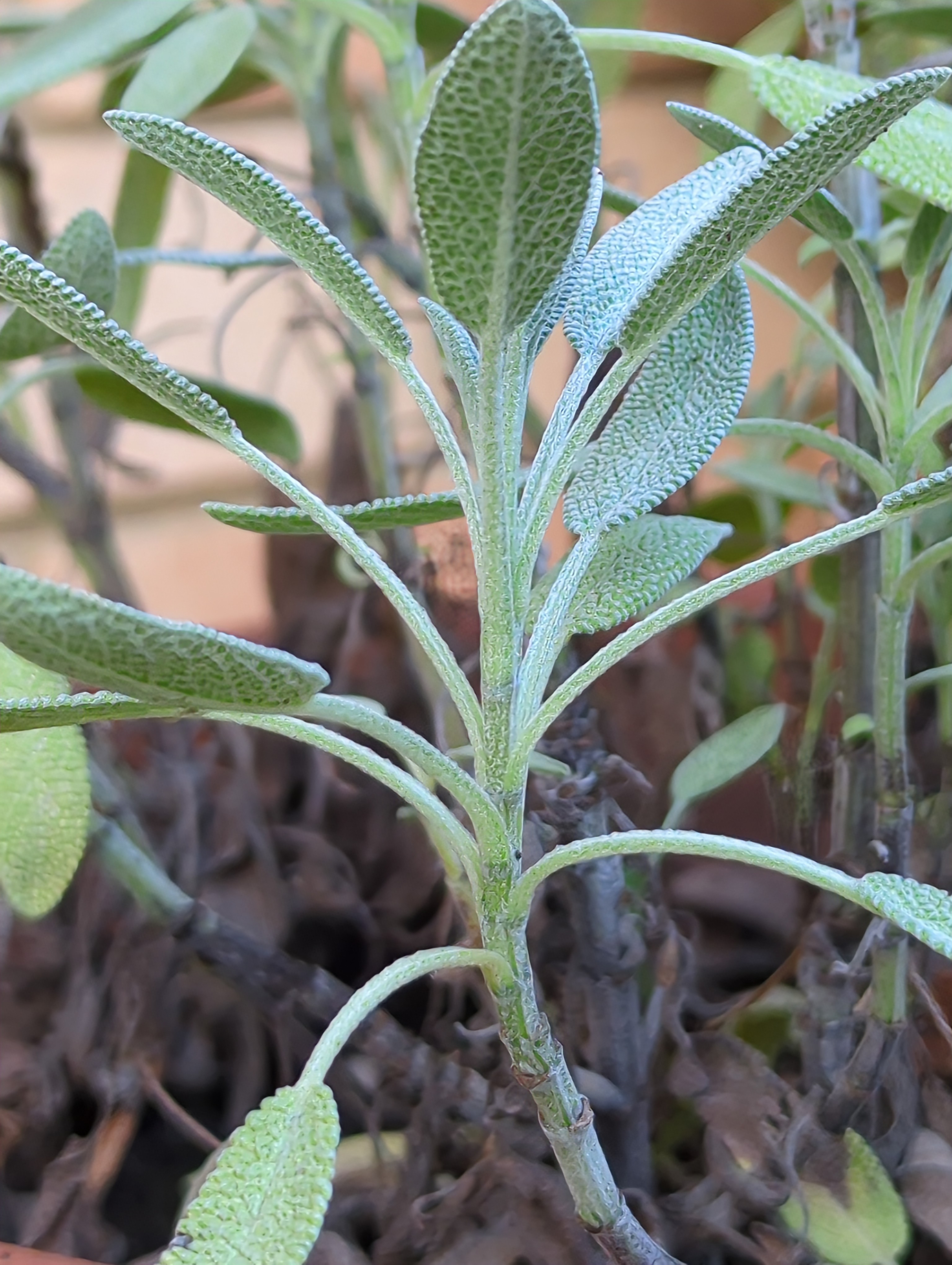
Rubbing or brushing the leaves releases the distinctive pungent sage aroma .
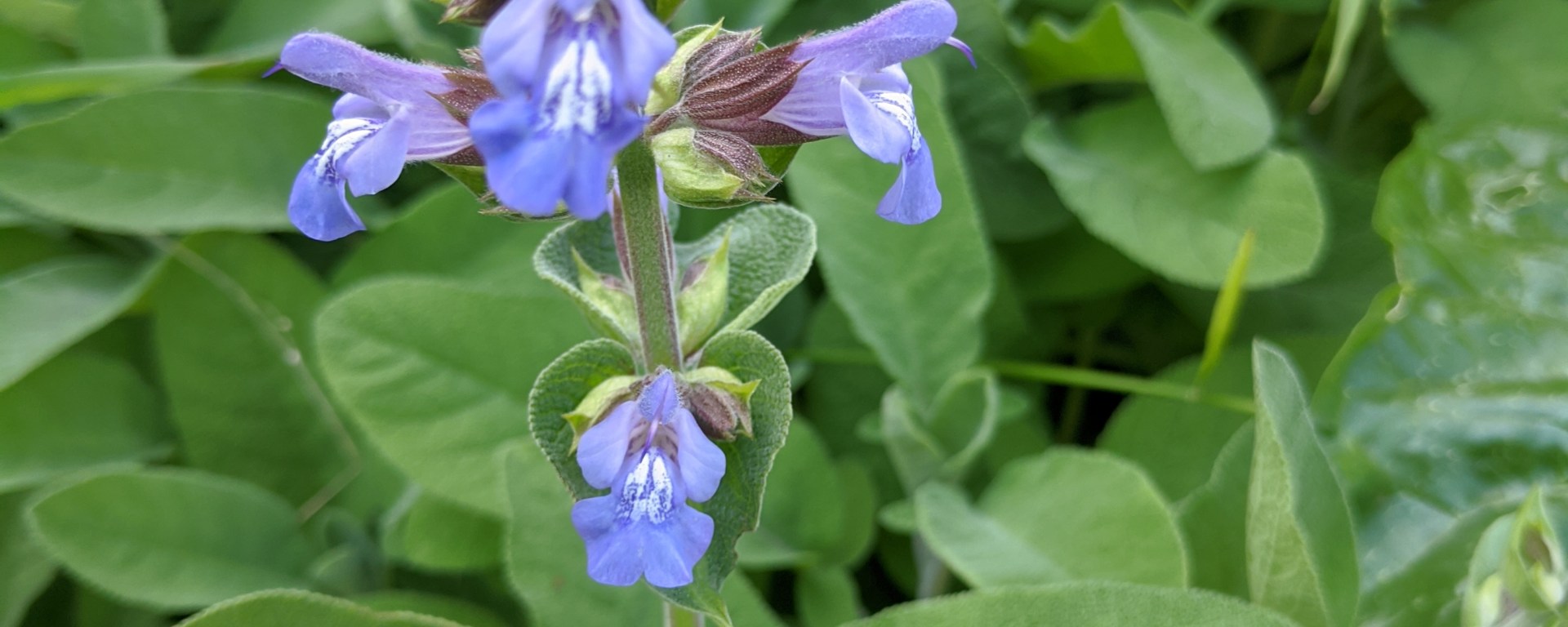
Sage plants develop inflorescences in mid to late summer. These are racemes from 10 to 40 cm in height, with several whorls composed of 4 or more purple-blue flowers. At the base of the inflorescence are two opposite green, ovate, acute bracts that remain after the flowers drop.
Each flower is held inside a green or maroon-coloured calyx that is bell shape with five triangular teeth, three on the upper lip of the flower and 2 on the lower lip.
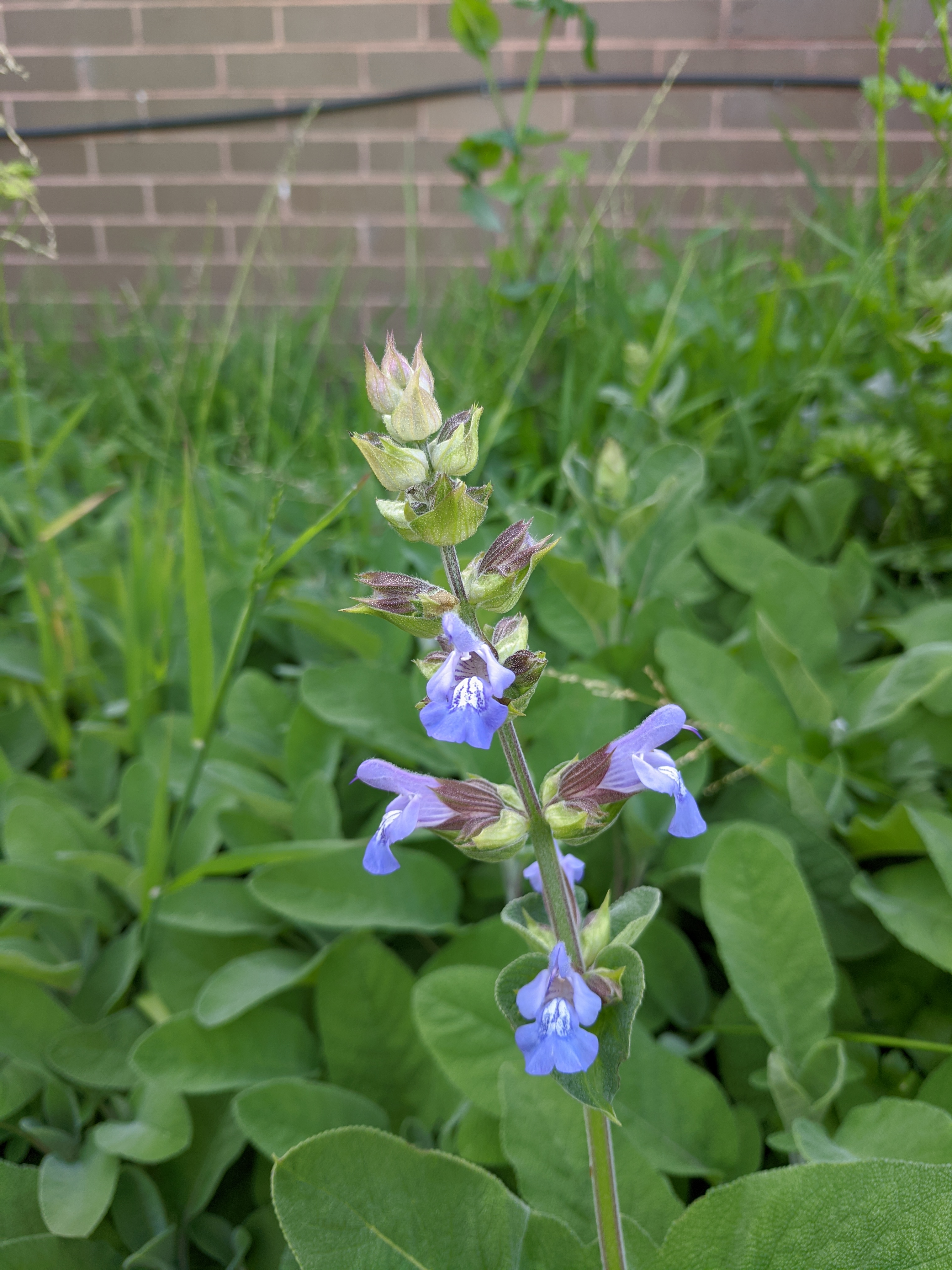
The corolla is two-lipped, the upper lip has 2 lobes laterally fused, forming a hood, and the lower lip has 3 lobes, with the middle lobe larger.
Instead of four stamens like other members of the mint family, sage flowers have two that are attached, one longer than the other.
The stamens are inserted under the hood of the corolla with the anthers outside, and the pistil sticks out from the top.

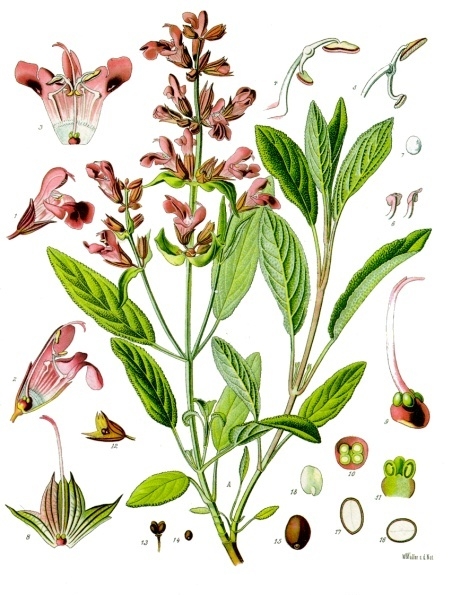
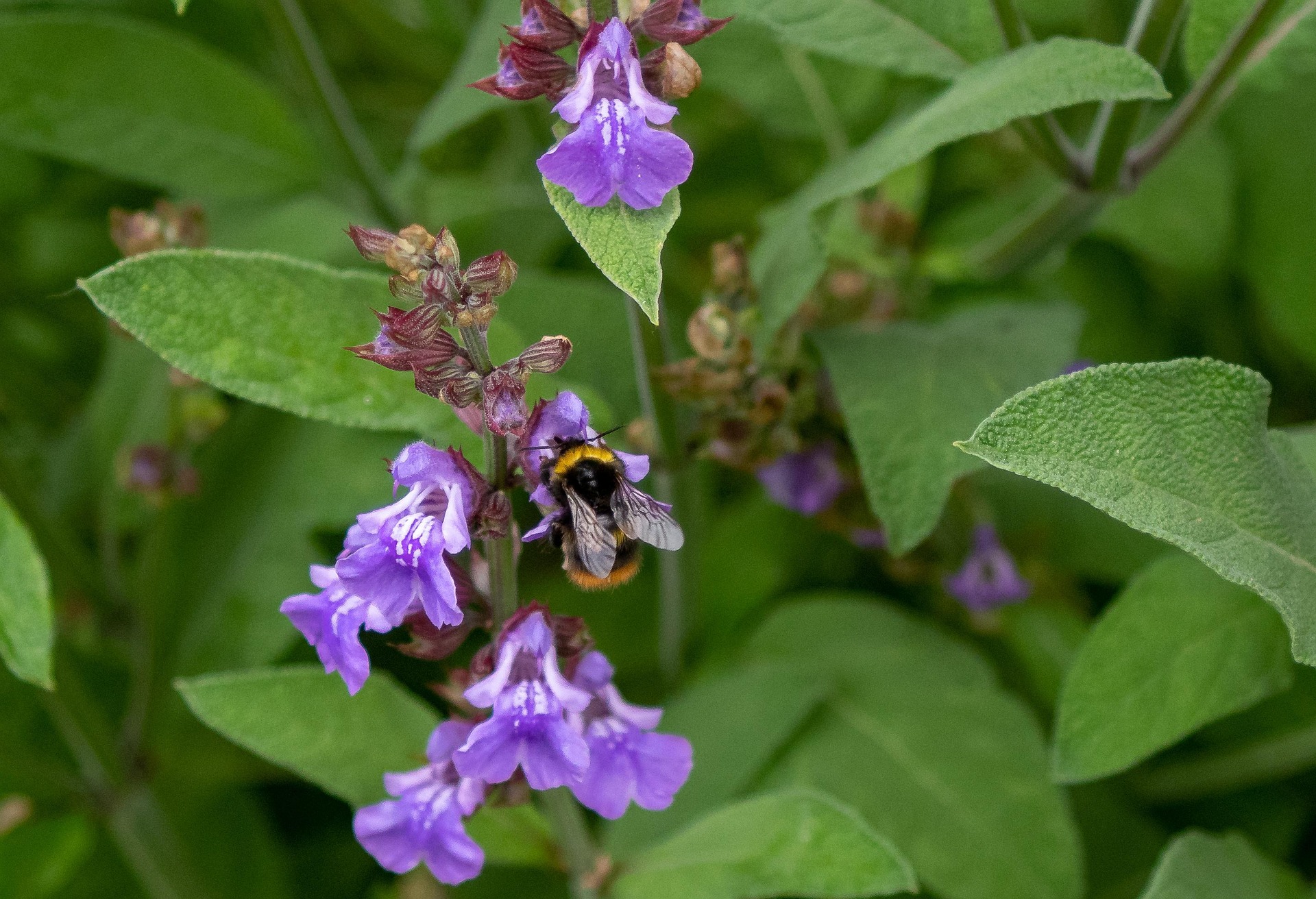
The sage plant has an interesting pollinating mechanism. The pollen bearing anthers are connected where the filament is attached. This acts as a lever. This is the point that the pollinator pushes upward. This causes the anther to drop on the back of the pollinator such as a bee forcing them down from the normal resting place in the tip of the hood of the flower. Then, when the bee goes to another flower, the pollen on its back is picked up on the flower’s stigma, which is strategically bent down in the right position to receive it.
Cultivation:
With good preparation sage can be successfully grown in the garden in rockeries and equally well in pots. The most important elements are drainage and sunshine.
Soil and Site:
As a Mediterranean herb, sage needs a site that receives at least 6 hours sunshine so that leaves develop the oils for good flavour. If your climate is prone to extreme heat in summer choosing a site that affords afternoon shade will help protect it.
The soil should be light to medium with excellent drainage as sage hates wet feet. If your garden has heavy soils planting in raised beds or pots will ensure good drainage.
Growing sage in pots has the additional benefit of allowing the plants to be moved the under cover in periods of prolonged wet weather or extended extreme heat.
Prepare the site by digging the soil over well and enriching it with aged compost ahead of planting. The pH of the soil should be between 6-7.
Ensure that the location will allow good airflow around the plant with plenty of space for growth of around 60 cm.
Planting:
When planting in the garden, dig the planting hole to fit the root ball of the sage plant and plant it to the same level as it was in the pot. Initially, water in well and then keep evenly moist until established.
If planting in containers, ensure your pot has good drainage holes, and choose a container at least 20 cm wide and deep. Using a terracotta pot that breathes is a good choice and setting it on risers allows water to flow out freely to prevent root rot.
Use a quality potting mix with Perlite mixed through. Plant seedling to the depth of the purchased pot and with the stem above the level of the soil. Water in till the water comes out of the pot and then allow to dry to a depth of 2-5 cm before watering. Do not allow to dry out while establishing the plant.

Water:
Mature sage plants need to dry out between watering with the exception of periods of drought or extreme heat. Whether in garden beds or pots water at ground level to prevent mildew on leaves.
Mulching around the plant, away from the stem, can also retain moisture in summer.
Pruning:
Harvest often and after flowering to keep plants from becoming leggy.
You can pick individual leaves as needed, or trim off sprigs of the stem but don’t remove more than a third of the plant at one time.
Use the leaves when fresh, or dry them. Dry sage by hanging bunches of stems upside-down in a cool, dark, well-ventilated spot. Once the leaves are brittle, remove them from the stem and store in an airtight container.
Fresh leaves can be stored in the refrigerator in moist kitchen paper and then in a plastic bag.
Propagation:
Trim off a 10 cm piece of young stem.Remove the leaves, on the lower half. Also, remove flowers and buds.
Dip the cut end in rooting hormone and plant it into a small container of moist propagating soil.
Place the container in bright, indirect light, and keep the soil moist but not soggy until new growth appears on the stem.
Once it has rooted the new sage plant can be planted outside.

Culinary uses of sage:
I use fresh sage and sage powder quite widely to add an earthy taste to soups, sauces, stews and stuffings.
From the archive I have gathered my favourite recipes that use sage:
1. Veal and Sage Saltimbocca Rolls:
2. Creamy Potato, Sage and Chicken Pasta:
3. Roasted Pumpkin, Potato abd Butter Bean Soup with Sage:
4. Roated Red Cabbage, Sausage, Apple and Pumpkin:
5. Hearty Vegetable and Bean Soup:
Last but not least, what would any herb stuffing be without sage.
6.Roast Chicken with Fresh Herb Stuffing:
 The Grantham Gardener