The following is a list of vegetables that you can plant in May in Sydney, a temperate zone (just click on the link for the growing guide for each vegetable):
- Beans – broad beans
- Brussels sprouts seedlings
- Cabbage seedlings
- Carrot
- Cauliflower seedlings
- Garlic
- Kale seedlings
- Kohlrabi
- Leeks seedlings
- Lettuce
- Mizuna
- Mustard greens
- Onion
- Pak Choy
- Parsley
- Peas
- Radish
- Rocket
- Shallots
- Silverbeet
- Snow Peas
- Spinach
- Strawberry
- Turnip
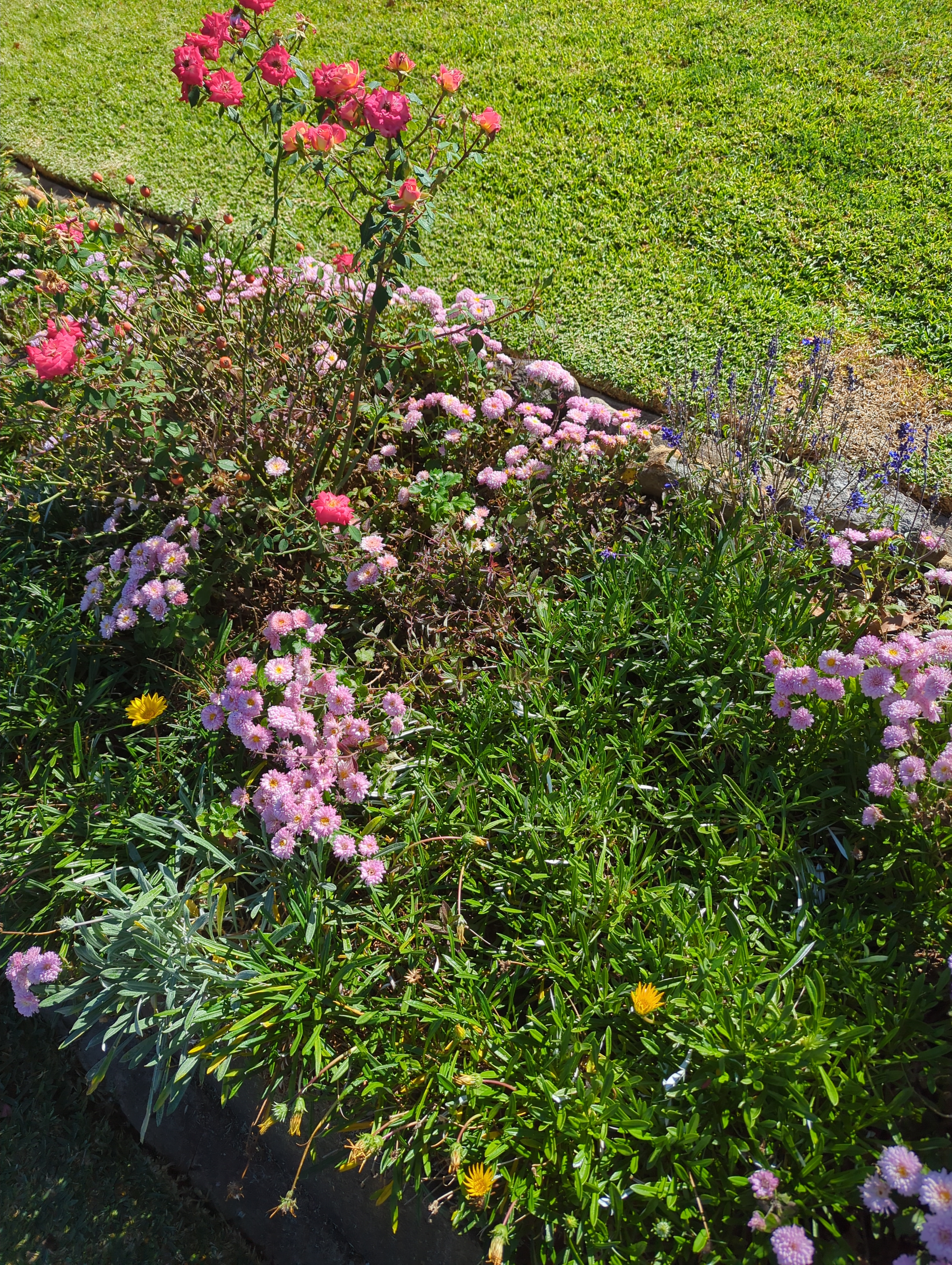
Plant of the Month – Argyranthemum frutescens- (Honeybees Double White Pink)
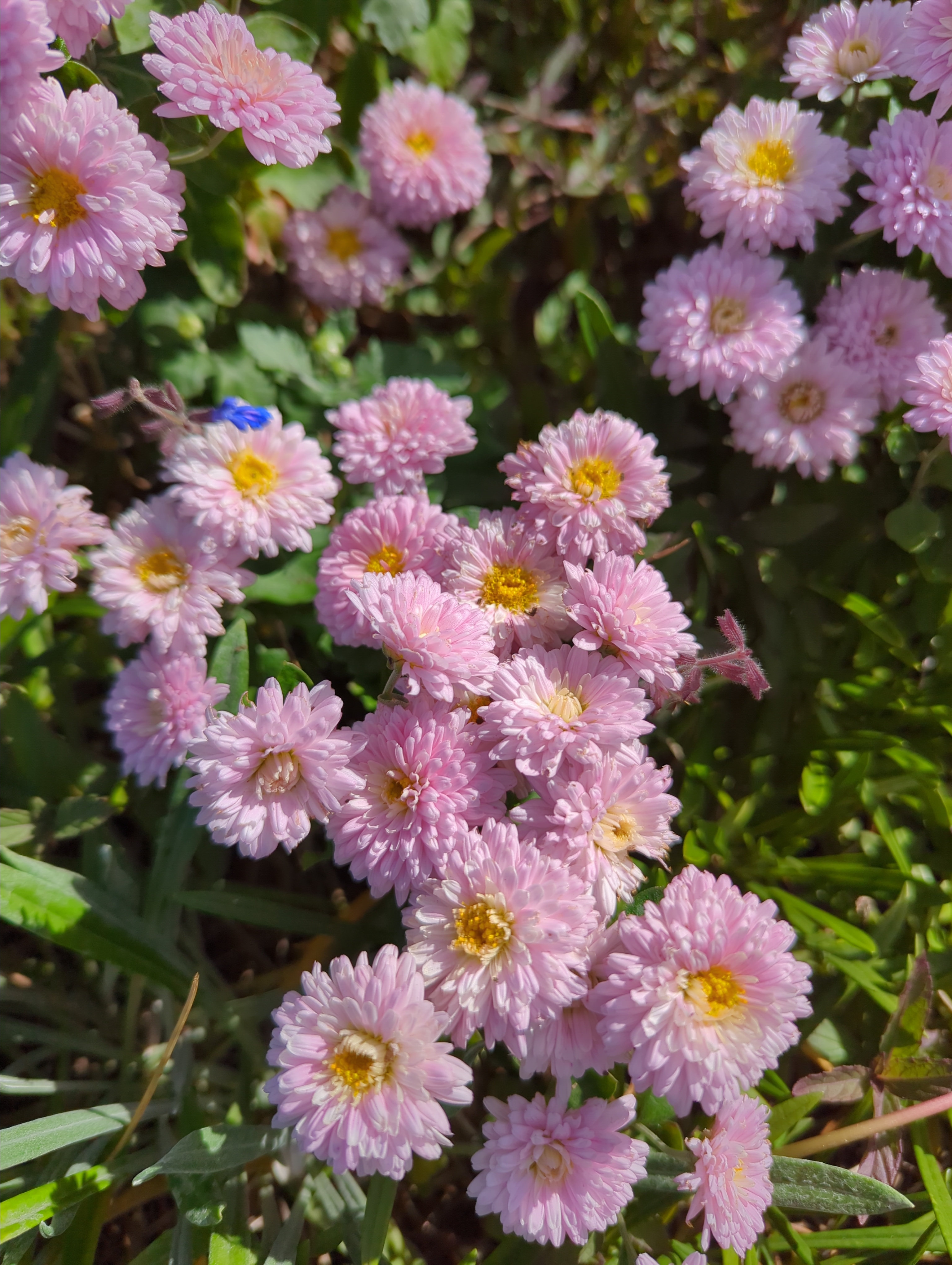
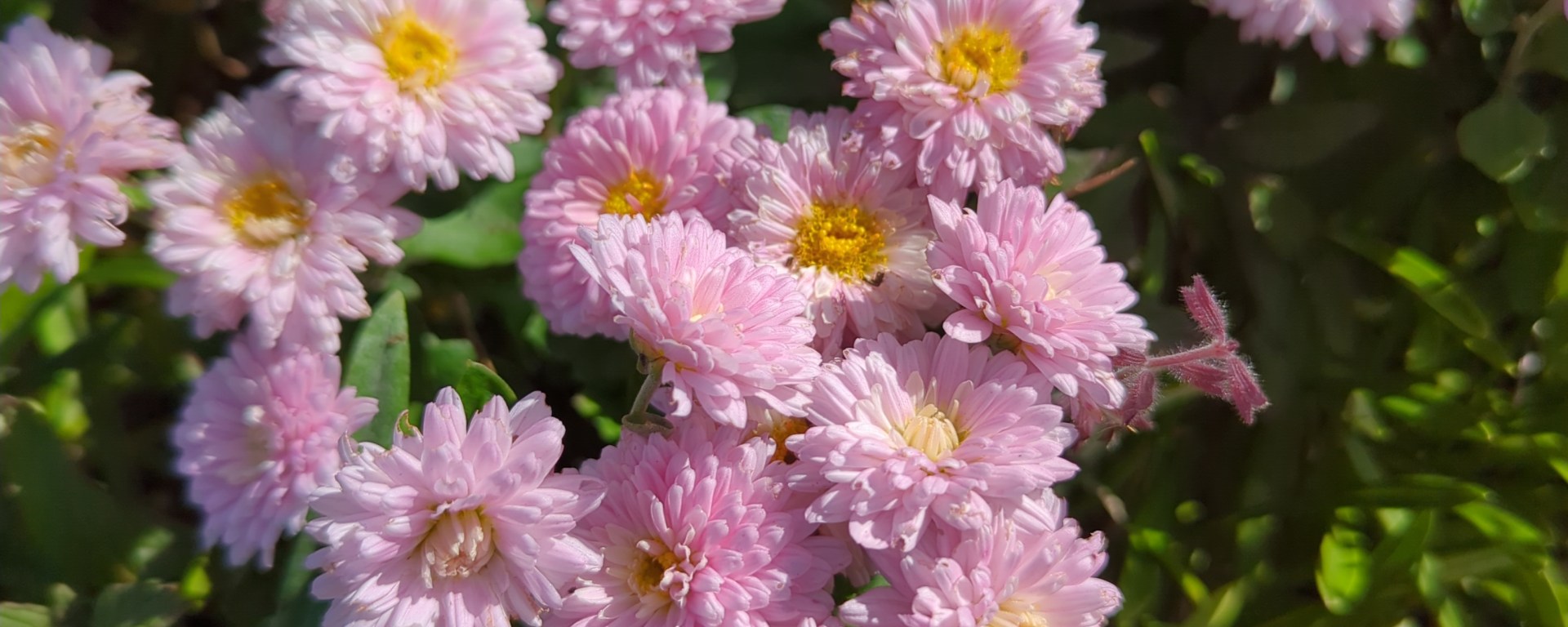
Argyranthemum ‘Honeybee Double Pink White’ is a perennial in the family Asteraceae and has a profusion of double, daisy-like flowers in soft pink tones. It blooms continuously from spring to autumn, attracting pollinators like bees and butterflies.
The Honeybee Double White Pink plant has a compact or rounded shape, 40 -50 cm in height and 40 cm wide.
Its leaves are palmate and ovate shaped on firm branched stems that are woody at the base. They are deep green on the upper surface and greyish on the underside. They have a rough texture, giving off a mild aroma when rubbed.
Like other flowers in the Asteraceae family, the Honeybee Double White Pink are composite flowers. That means the flower heads are actually made of many flowers. Within the middle part, or disc of the bloom, are smaller, individual flowers (each with their own reproductive parts). These little florets are called disc flowers because they grow from the round part that looks like a disc. The outer bloom is made up, of numerous ray florets with multi-layered, ruffled petals that resemble pom-poms creating denser appearance compared to the traditional single row of flat petals found on the marguerite daisy.
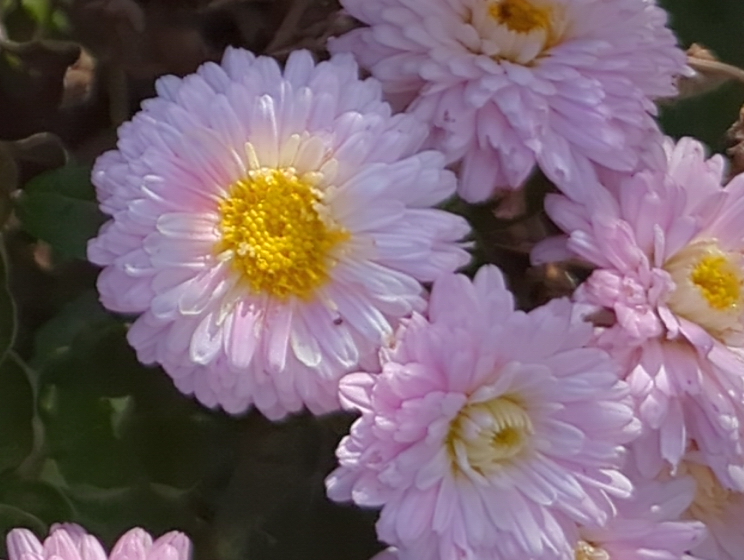
From late spring to autumn, Honeybee Double White Pink produces an abundance of fully double, pale pink and white blooms that create a striking visual impact.
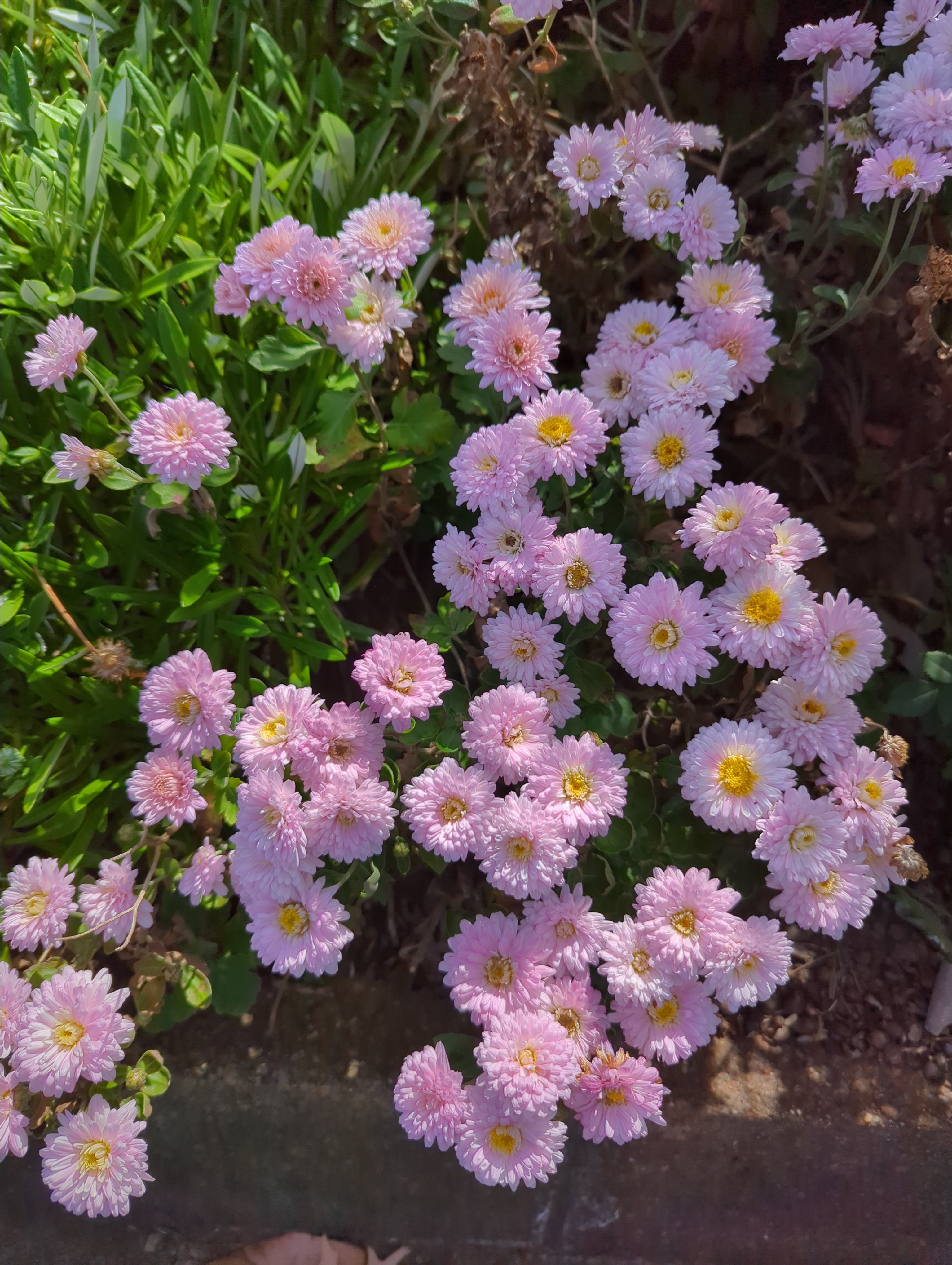
This beautiful plant adds a splash of colour to summer borders, as it offers long-lasting floral displays that can brighten any outdoor space in the ground or grown in pots on sunny terraces and balconies.
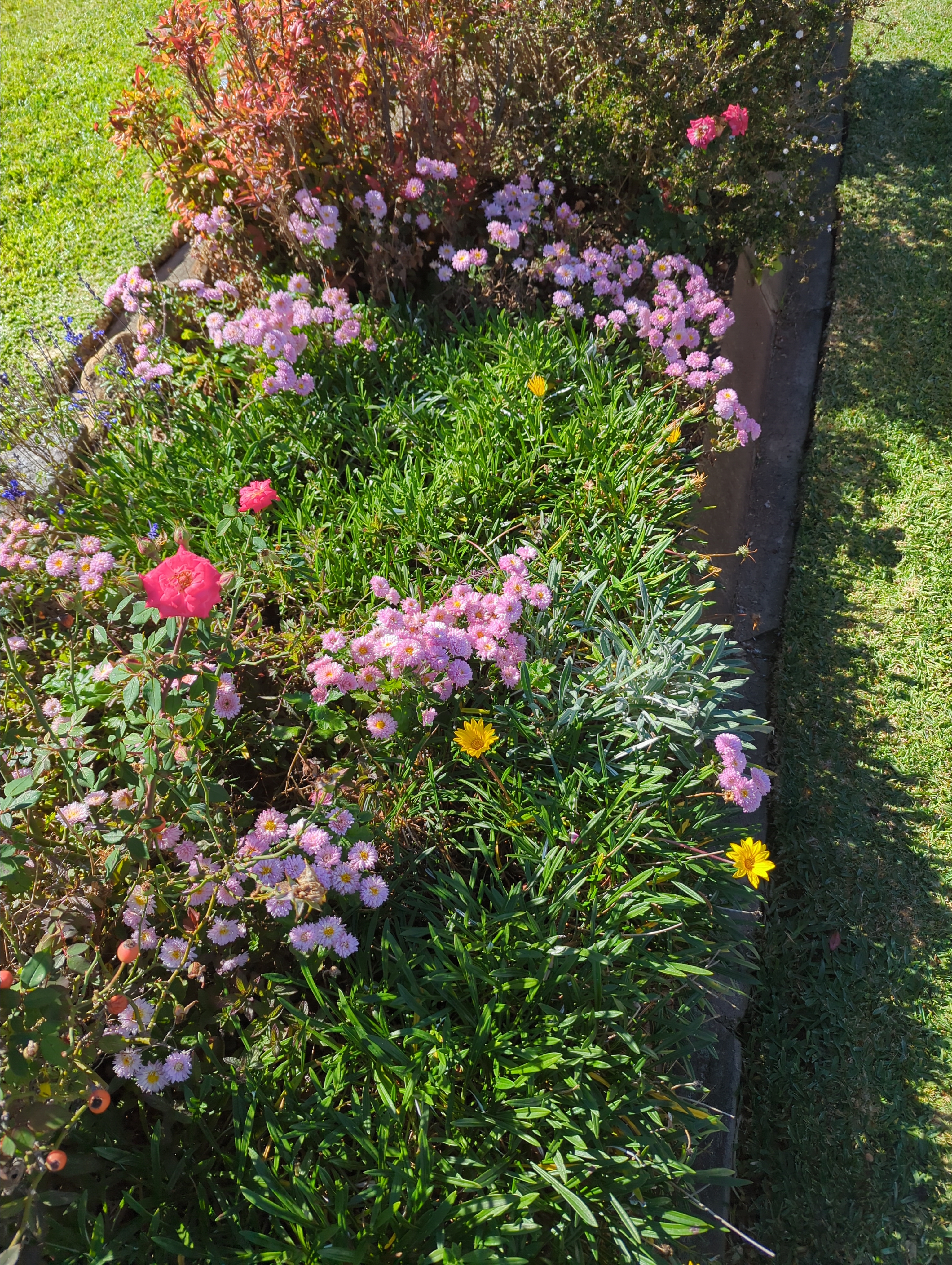
Cultivation:
Site and Soil:
Selecting the planting site is an important for the successful flowering of the Honeybee Double White Pink . It prefers to grow in full sun to ensure abundant and vigorous flowering. The planting site should receive between 4 and 6 hours of direct sunlight per day.
It can adapt to the semi-shade, especially in hot climates, although flowering may be somewhat reduced under these conditions. Ideally the site in these conditions could be one that gets morning sun and afternoon shade.
The soil should have a slightly acidic to neutral pH between 6.5 – 7. Dig through the planting site to a depth of 30 cm and dig in aged compost and aged manure to provide a medium textured soil, rich in organic matter. In heavy soils incorporate sand to improve aeration and drainage.
If planting Honeybee Double White Pink in a pot make sure that it is at least 30-40 cm deep to allow optimal root development. Use a quality potting mix with Perlite mixed through to ensure good drainage. Pots can be places on risers to allow water to drain away.
Water:
llowing the plants to dry out between watering
Water regularly, allowing the plants to dry out between watering to avoid water logging, because the roots of the Honeybee Double White Pink are sensitive to excess moisture.
During spring and summer ensure the soil is slightly damp, watering when the surface layer begins to dry out. This may be every 2 or 3 days depending on local rainfall.
During autumn and winter reduce watering to once a week, again, depending on local rainfall conditions.
If your plants are in pots, keep a closer eye on moisture, as the soil tends to dry out faster than in the garden.
Maintenance:
To maintain the compact and healthy shape of the Honeybee Double White Pink,prune it regularly. This helps strengthen the plant and improve its flowering.
Remove spent flowers from time to time to encourage new flower buds.After the main flowering season prune the plants lightly to control size and encourage branching.
In spring, you can tip prune so that the plant grows more bushy.
Propagation:
The Honeybee Double White Pink can be propagated by taking tender shoot cuttings in early spring or late summer. Place the cuttings in propagating soil, keeping them moist in until they take root, then transplant the seedlings to their final planting site.