The following is a list of vegetables you can plant in August in Sydney, a temperate zone. Just click on the link for the growing guide for each vegetable:
- Amaranth
- Artichokes in pots
- Beetroot
- Cabbage in seed trays
- Cape Gooseberry
- Capsicum in pots
- Chilli in pots
- Eggplant in seed trays
- Kohlrabi
- Leeks in seed trays
- Mustard Greens
- Onion
- Parsnip
- Peas
- Potato
- Radish
- Rocket
- Snow Peas
- Sunflower
- Tomato in pots
- Watermelon in pots
Plant of the Month – Cuphea Hyssopifolia (Mexican heather)
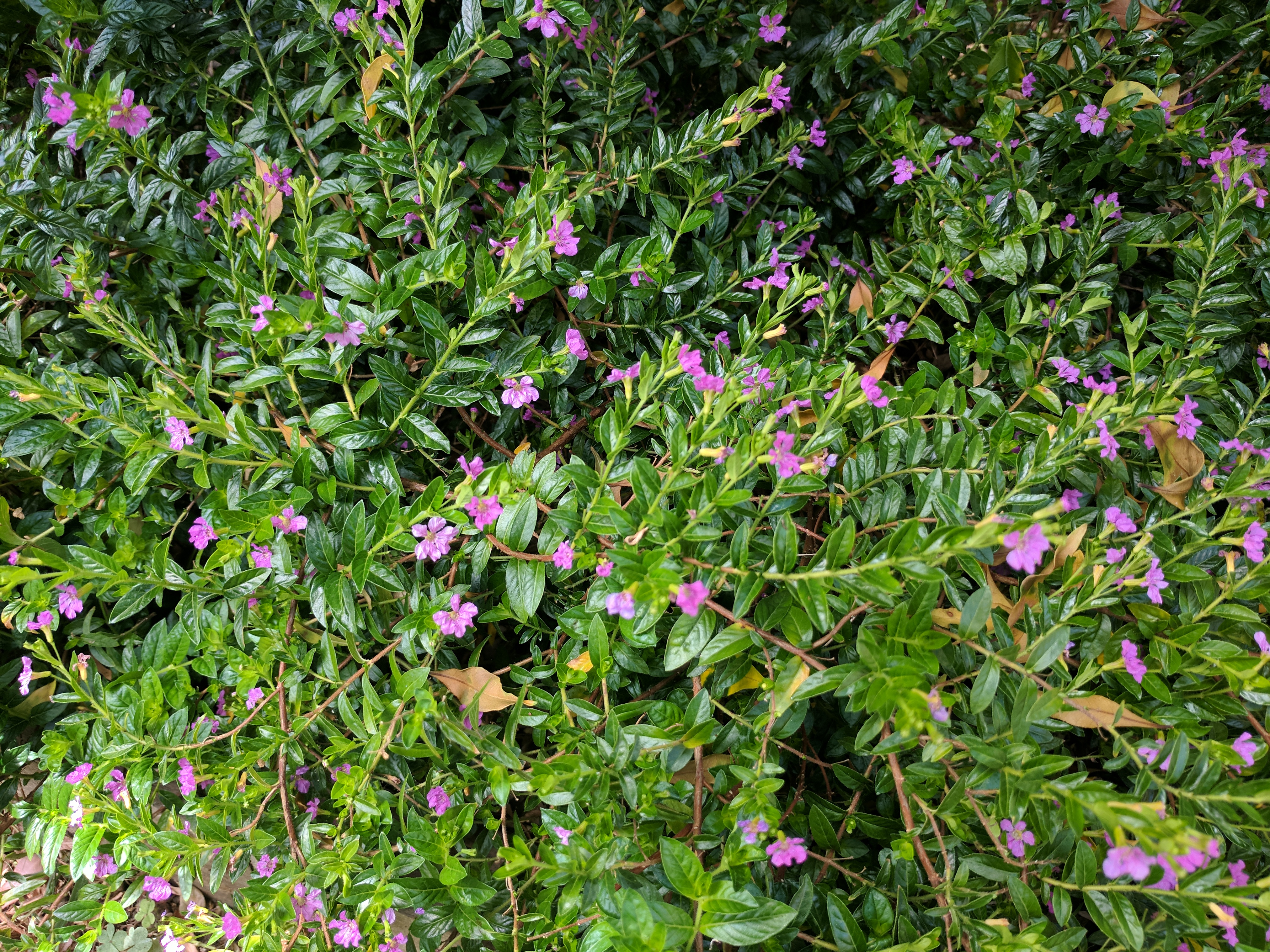
Cuphea hyssopifolia is a low growing, flowering, dense evergreen shrub in family Lythracea and in the genus Cuphea that contains about 260 species
Cuphea hyssopifolia is native to Mexico, Guatemala, and Honduras where it grows in hot, semi-warm and temperate climates between 500 and 2,240 meters above sea level.
This compact plant grows up to a height 30-60cm and 23-60 cm wide with a rounded growth habit and multiple stems. The genus name is derived from the Greek word κυφος (kyphos), meaning “bent,” “curved,” or “humped.” referring to its rounded growing nature. Hyssopifolia denotes”hyssop-leafed”, referring to the fine, narrow leaves of that plant.
It is an evergreen in warm climates and grows well in Sydney.

The leaves of Cuphea hyssopifolia are small, measuring 10 to 30 mm long and 1.5 to 4 mm
They are simple, opposite, lanceolate to linear, glossy, and dark green with a hairy underside.
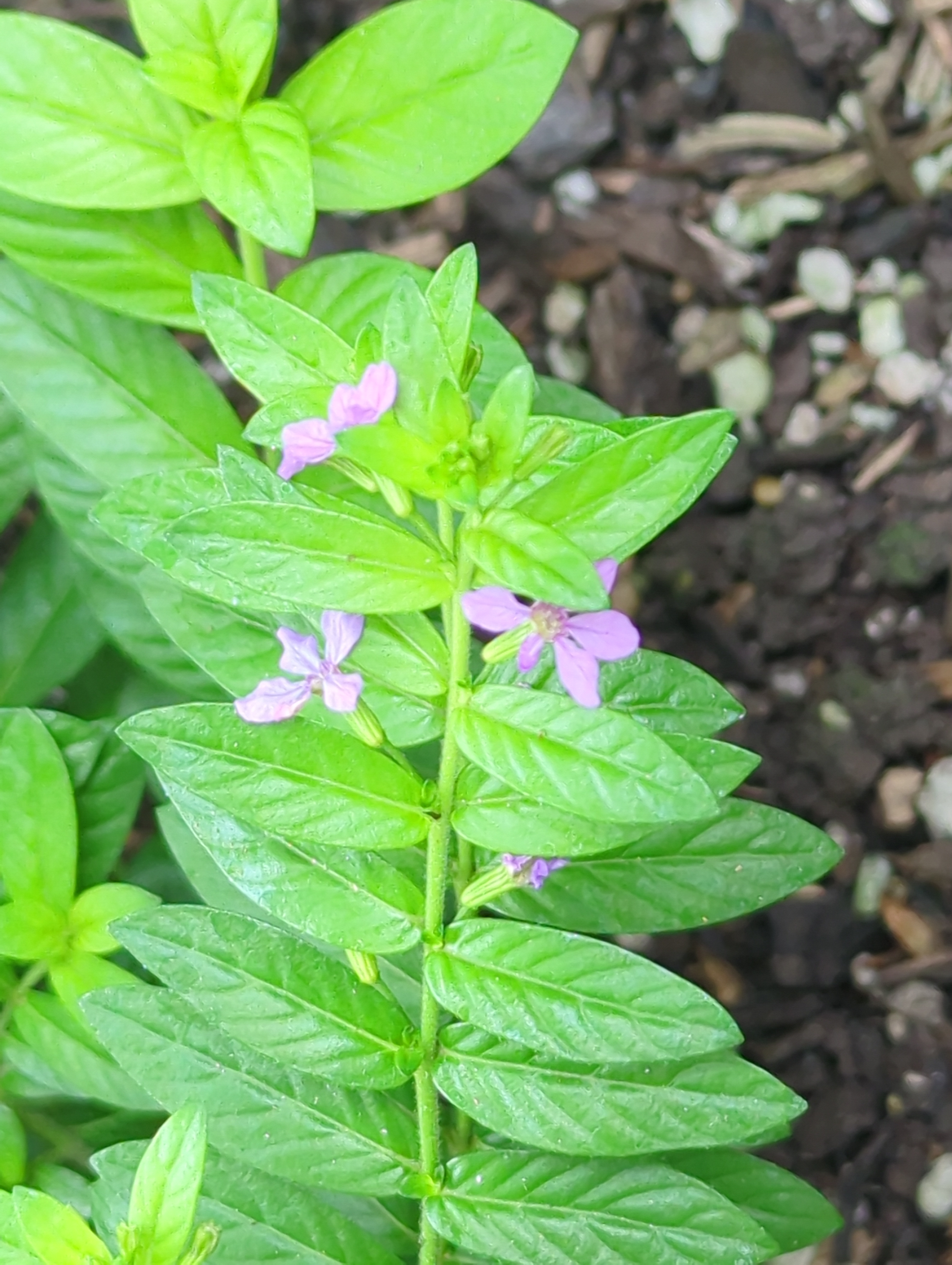
The stems of Cuphea hyssopifolia are multi-branched, green, and covered with soft, fine hairs. The older stems become woody as the plant matures.
As can be seen in the image below, new branches and stems arise in multiples from near the base of the plant. in fact these new stems are growing from leaf axils along the branches low on the plant.
This creates a densely branched, low-branching subs-hrub structure with slender, often arching stems as the name describes.
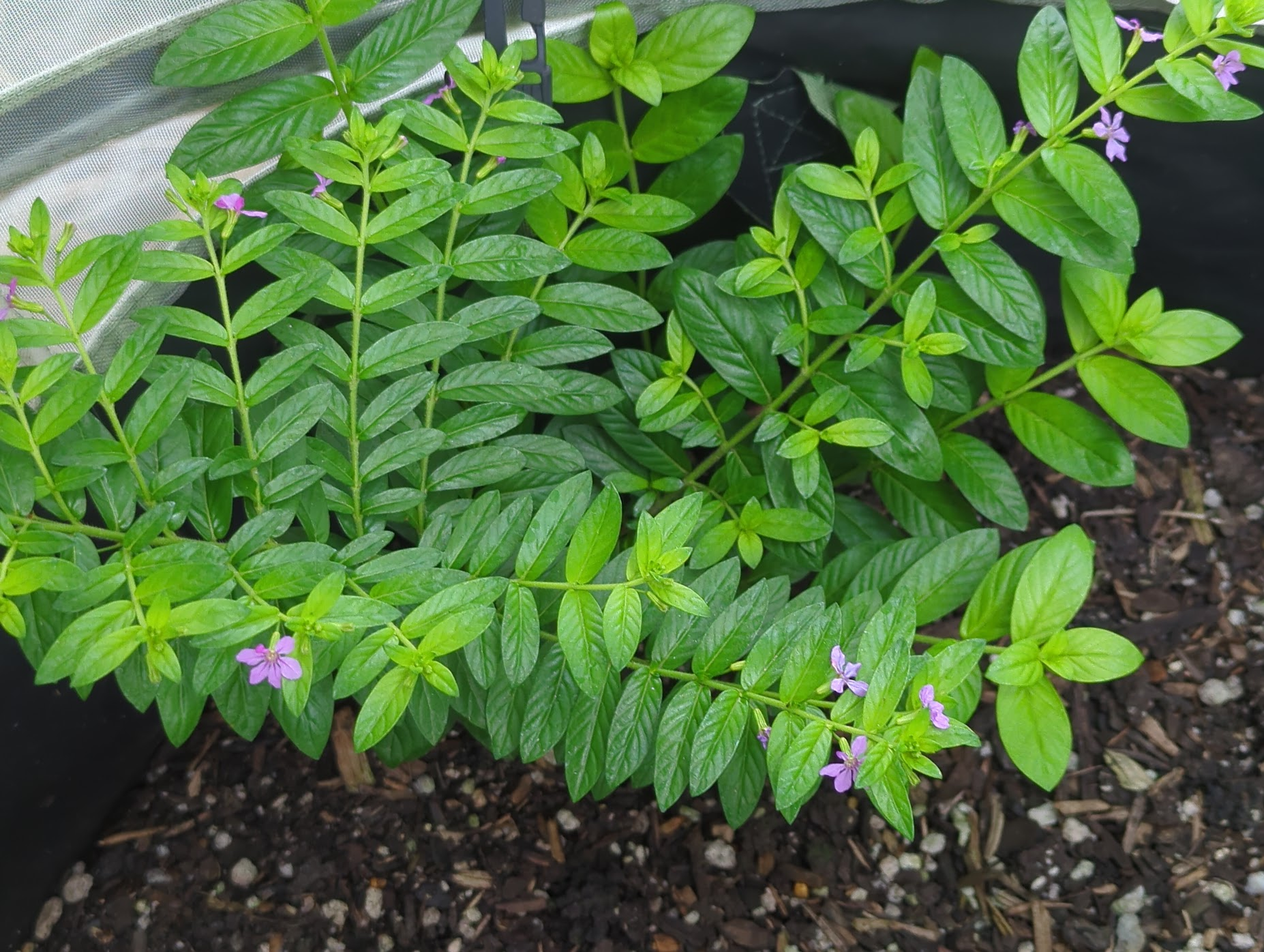
The root system is fibrous and shallow and reaches to a depth of 30-45 cm, spreading to 60-90cm wide that are able to absorb surface moisture and nutrients very well.
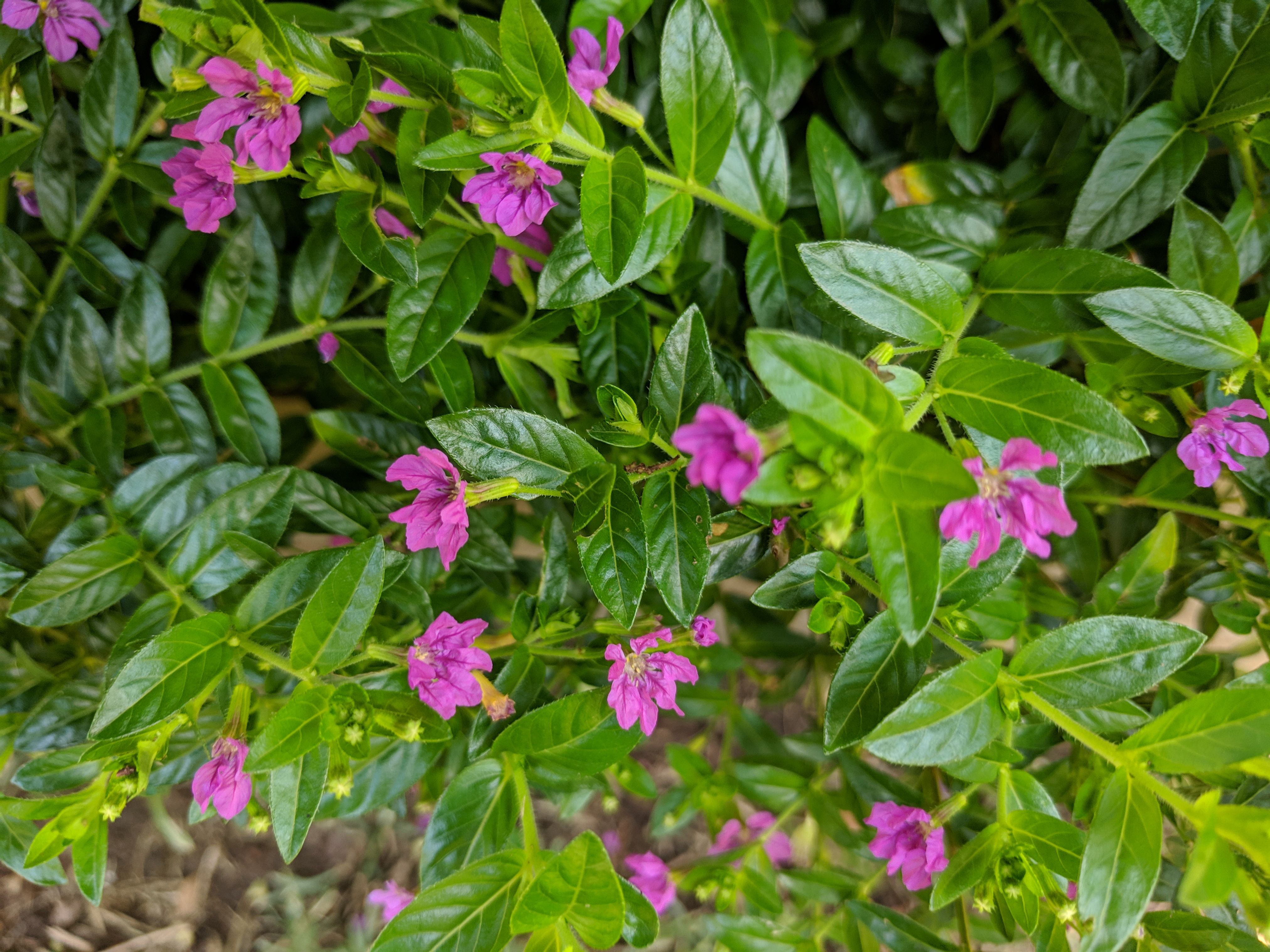
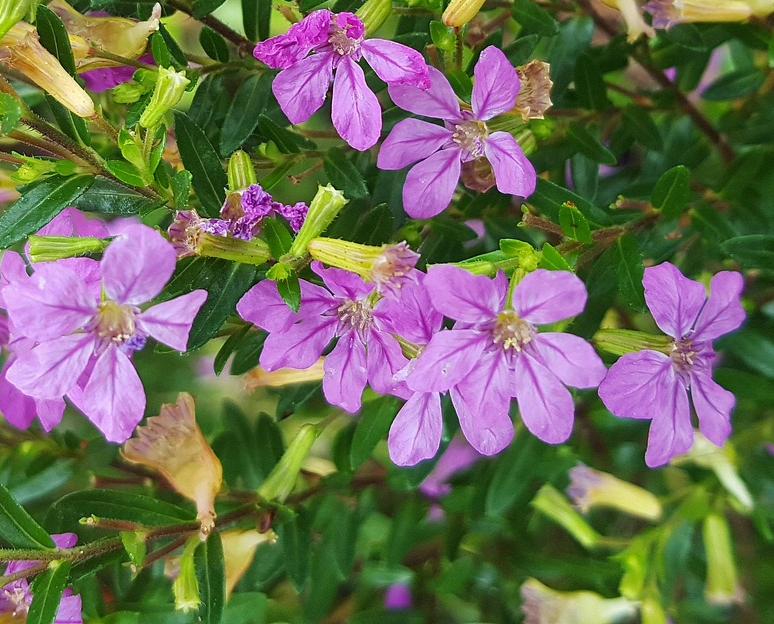
The flowers of Cuphea hyssopifolia are small and trumpet shaped with 6 petals spreading from a green calyx tube and are purple, lavender or pink in colour.
Cuphea hyssopifolia has 11 stamens with hairy white filaments and anthers that open via long slits. The ovary is located at the base of the floral tube structure and has a hairy style with a stigma positioned near the throat of the floral tube, supported by a glandular yellow nectary at the base.
Flowers are are arranged as a single flower in the leaf axils along the stems and are approximately 1 cm across.
They bloom in profusion from late spring through summer to winter throughout the growing season. The heaviest flowering period is summer.
The many nectar-filled flowers attract butterflies, bees and other pollinators which is very beneficial to both the flower and the vegetable garden when planted nearby.
Cultivation:
The beautiful Cuphea hyssopiflolia can be used in many ways in the garden. Use it as a border or ground cover, or in mass plantings. Plants can also be grown in containers or hanging baskets. Cuphea hyssopifolia will bring colour to any verandah or deck.

Site and Soil:
Cuphea hyssopifolia grows best in warm climates and sunny locations. It can tolerate high summer heat and full sun, though where extreme summer heat is common, locating the plants with protection from the afternoon sun may help. In these climates several hours of direct sunlight in the morning and partial shade for the hottest part of the day might be best.
Another factor in selecting both soil and site is that Cuphea hyssopifolia’s roots are shallow. It relys on moisture in the upper soil layers, making the plant susceptible to drought conditions as well as also being susceptible to root rot if the soil becomes waterlogged or saturated for more than 24 hours.
The planting site selected should have well-draining soil, that also retains some moisture without becoming waterlogged. Avoid heavy clay or pure sand. The most effective method is amending the soil with organic matter such as compost, well-rotted manure or leaf mold. These break up dense soil structure, create air pockets, and improve drainage while helping the soil retain moisture without becoming saturated.
Ensure that the pH of the soil is slightly acidic soil with levels between 5.5 and 7. Before planting test and amend it.
When planting the seelings, dig a hole twice as wide as the container and plant the root ball into the prepared soil placing the plant at the same depth it was in the container. Fill with soil, and press gently to remove air pockets.
Space the plants 60-90 cm apart to allow for their shallow root system spread and their mature width. Thoroughly water in immediately to settle the soil and then apply a layer of mulch being sure to keep it away from the stem.
Water:
Cupea hyssopifolia needs consistent moisture but poor drainage leads to rapid collapse.
Also, due to the shallow root system and that the plant lacks water-storage capabilities, it cannot tolerate prolonged drought.
Create a consistent schedule for watering Cuphea hyssopifolia especially for younger plants. Water once or twice per week, ensuring the soil remains consistently moist. This can also be achieved with an automated watering system. Otherwise, water deeply when the top inch of soil feels dry. Container grown plants may need water every 12- 18 hours, especially during periods of extreme heat.
During the establishment period of 8-12 weeks consistent watering is essential. Thereafter as the plant is mature it can tolerate some brief drought but will lose leaves if allowed to dry out completely.
Add a layer of mulch around the base of the plant to increase water retention and prevent the spread of weeds around the root system that compete for moisture and nutrients.
Prropagation:
The most reliable, easiest and fastest way to propagate Cuphea hyssopifolia is through stem cuttings, even though it can also be grown from seeds or by division.
Take cuttings in spring or early summer when the plant is actively growing.
Cut a 7 to 15 cm section from a non-flowering stem tip removing the leaves from the bottom 2.5 cm of the cutting.
Dip the cut end in rooting hormone and plant into a pot with a well-draining medium like Perlite and Coir. Place the pot in bright, indirect light and cover it with a plastic bag to help maintain humidity, but vent the pot daily.
Make sure to keep the soil moist but not soggy during the rooting process.
Roots will develop in 3 to 6 weeks.